KIC Lesson 47 Stroke Order
Table of Contents
- # Quick Reference
-
# Per-Kanji Stroke Notes
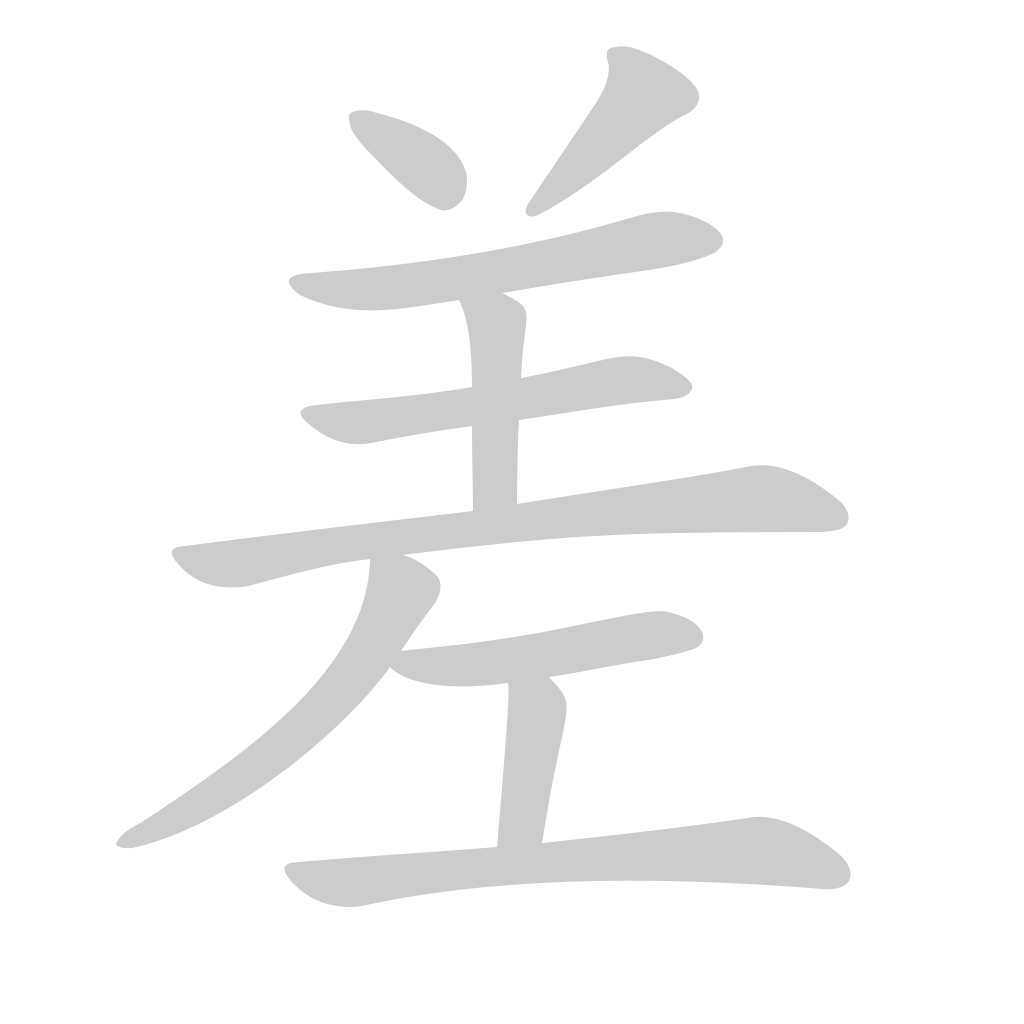
- ## 674 — 差 (difference) — 10 strokes
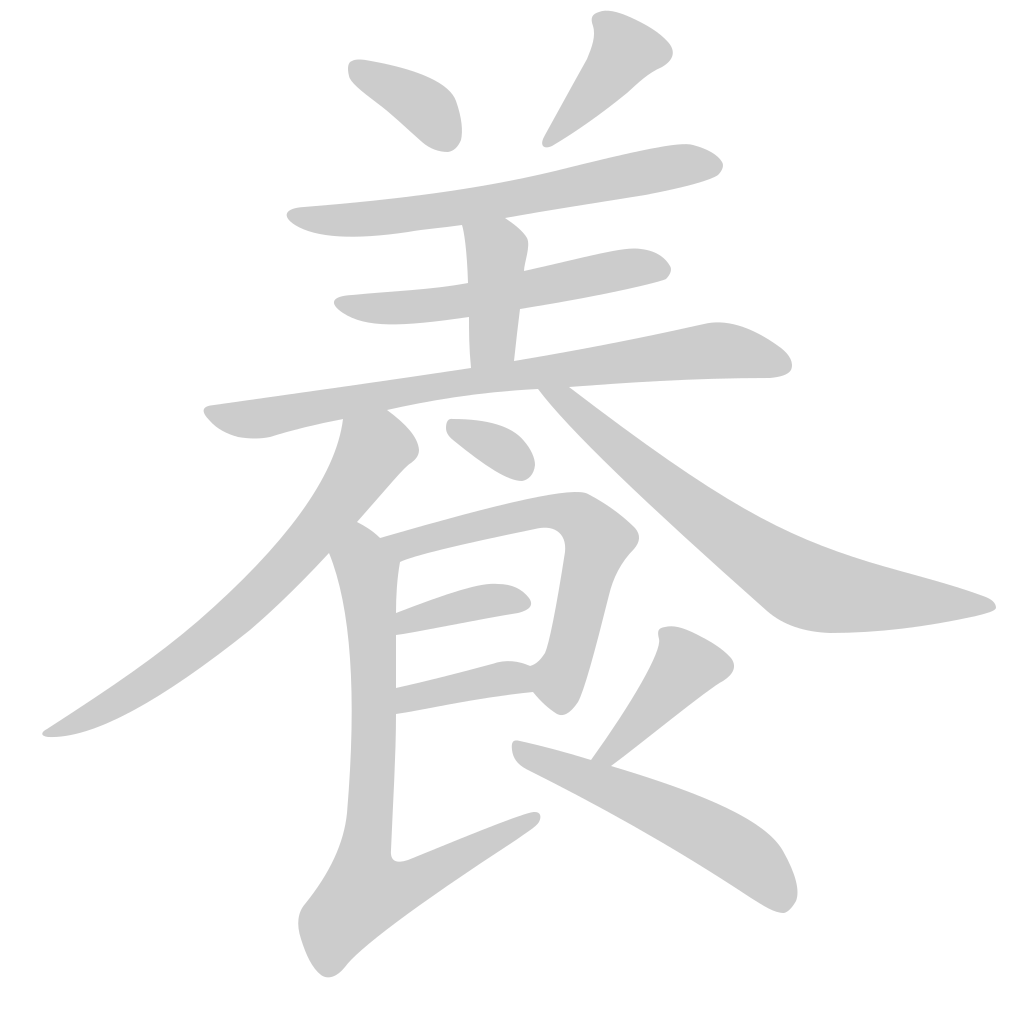
- ## 675 — 養 (nurture) — 15 strokes
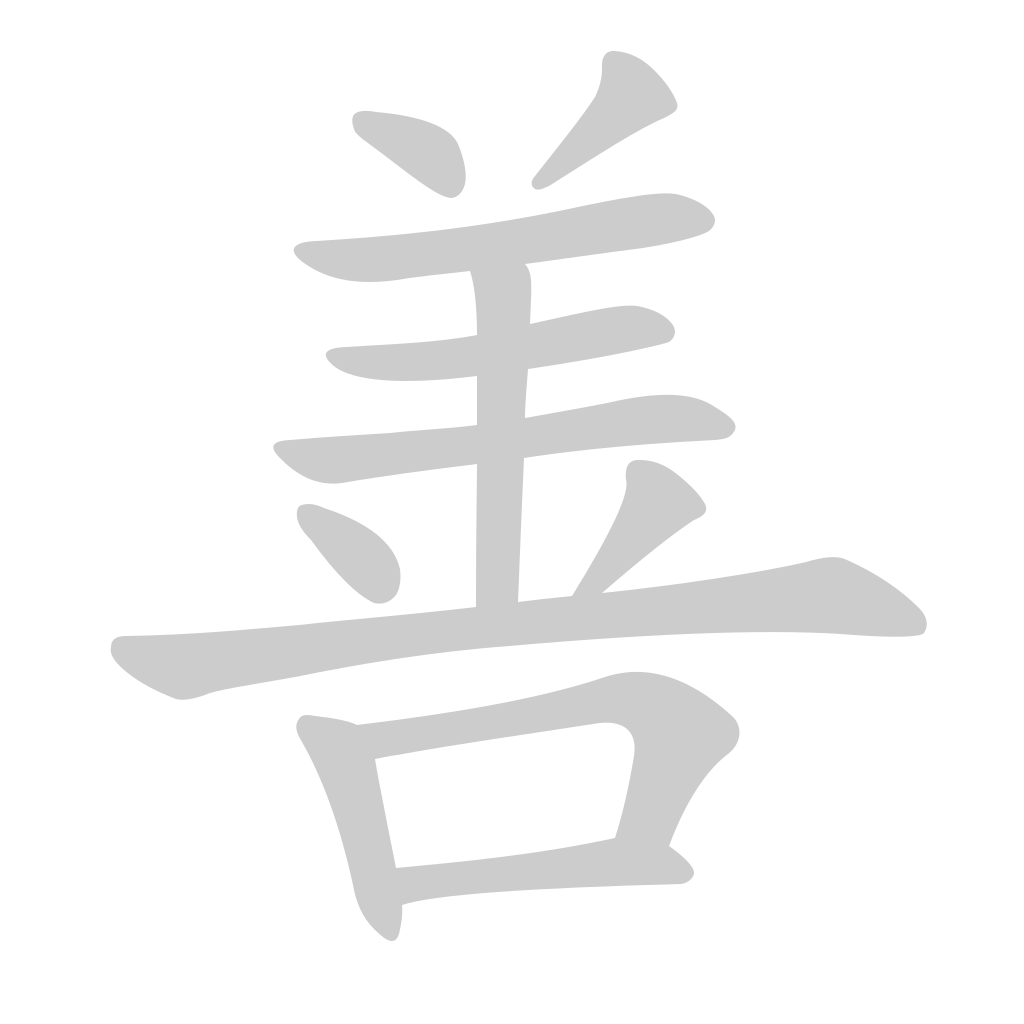
- ## 676 — 善 (good) — 12 strokes
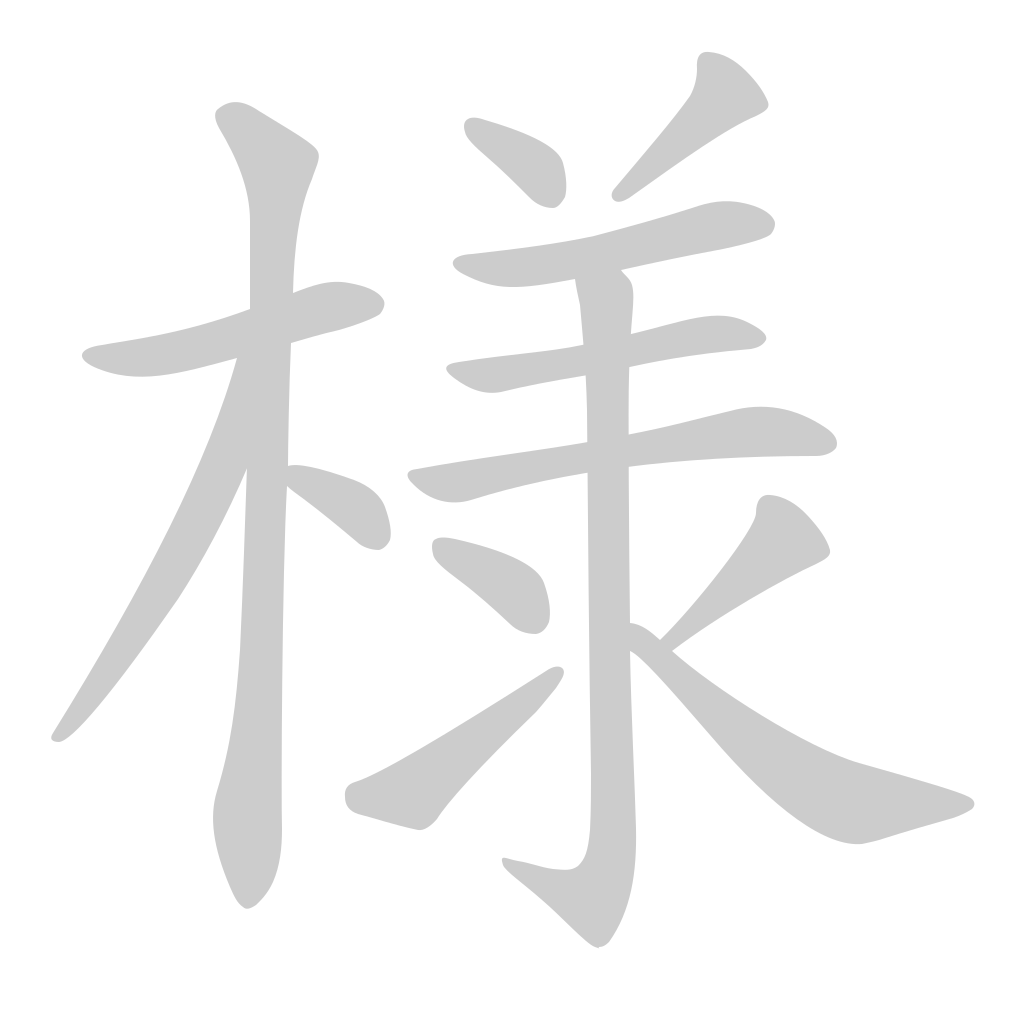
- ## 677 — 様 (appearance/manner) — 14 strokes
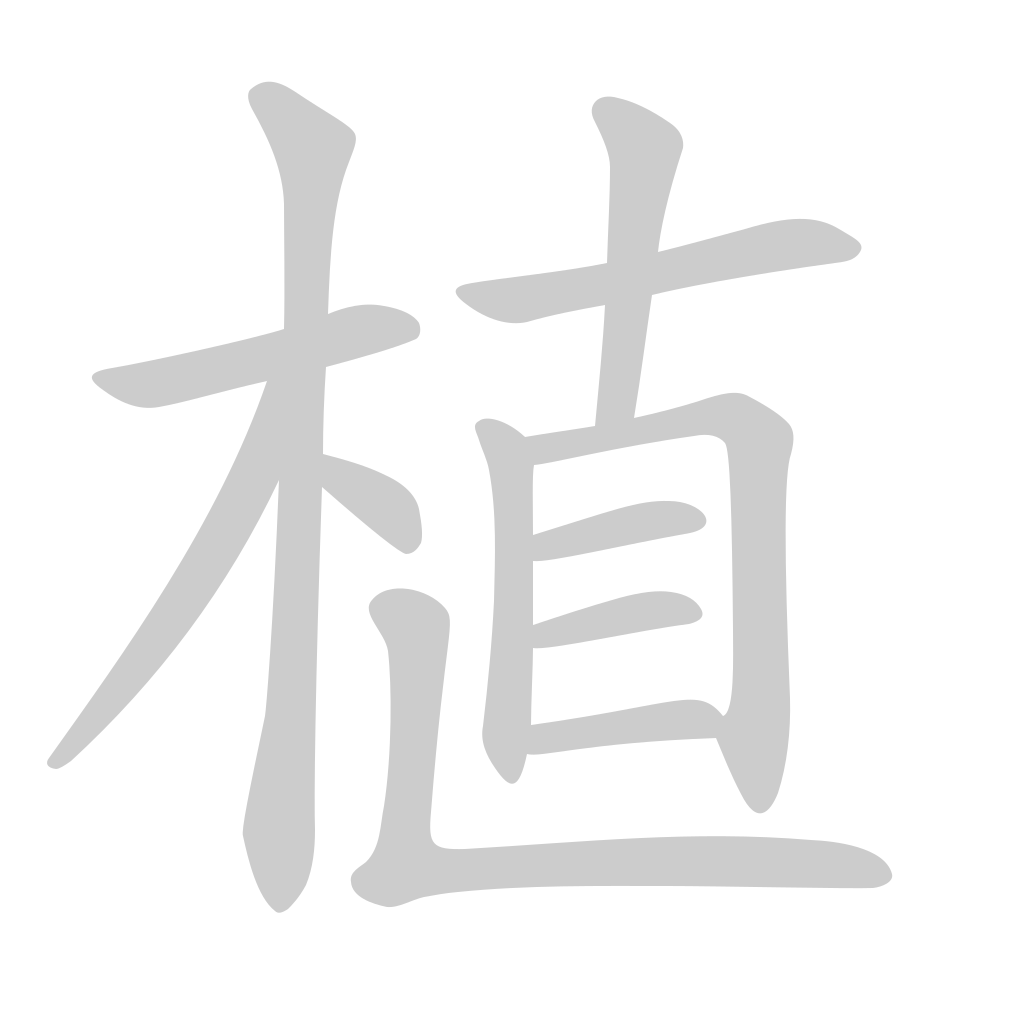
- ## 678 — 植 (plant) — 12 strokes
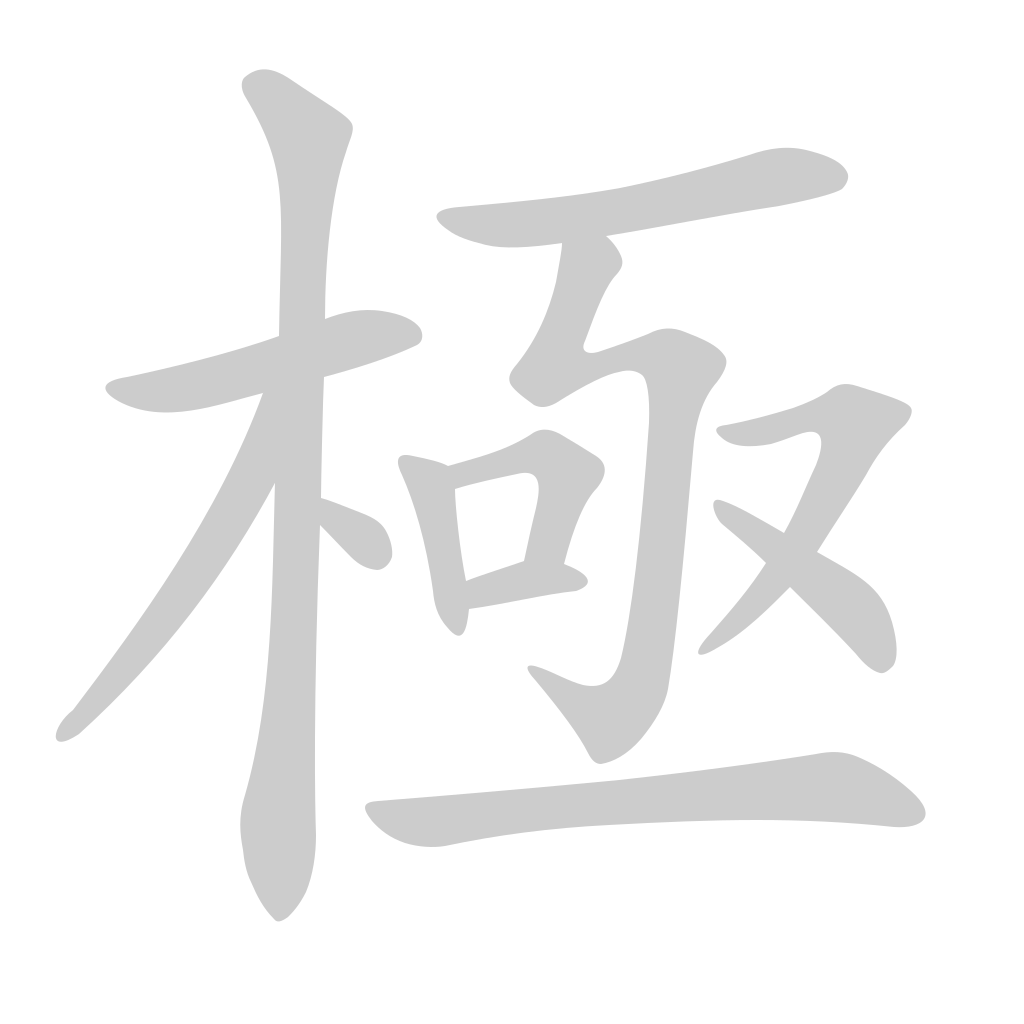
- ## 679 — 極 (extreme) — 12 strokes
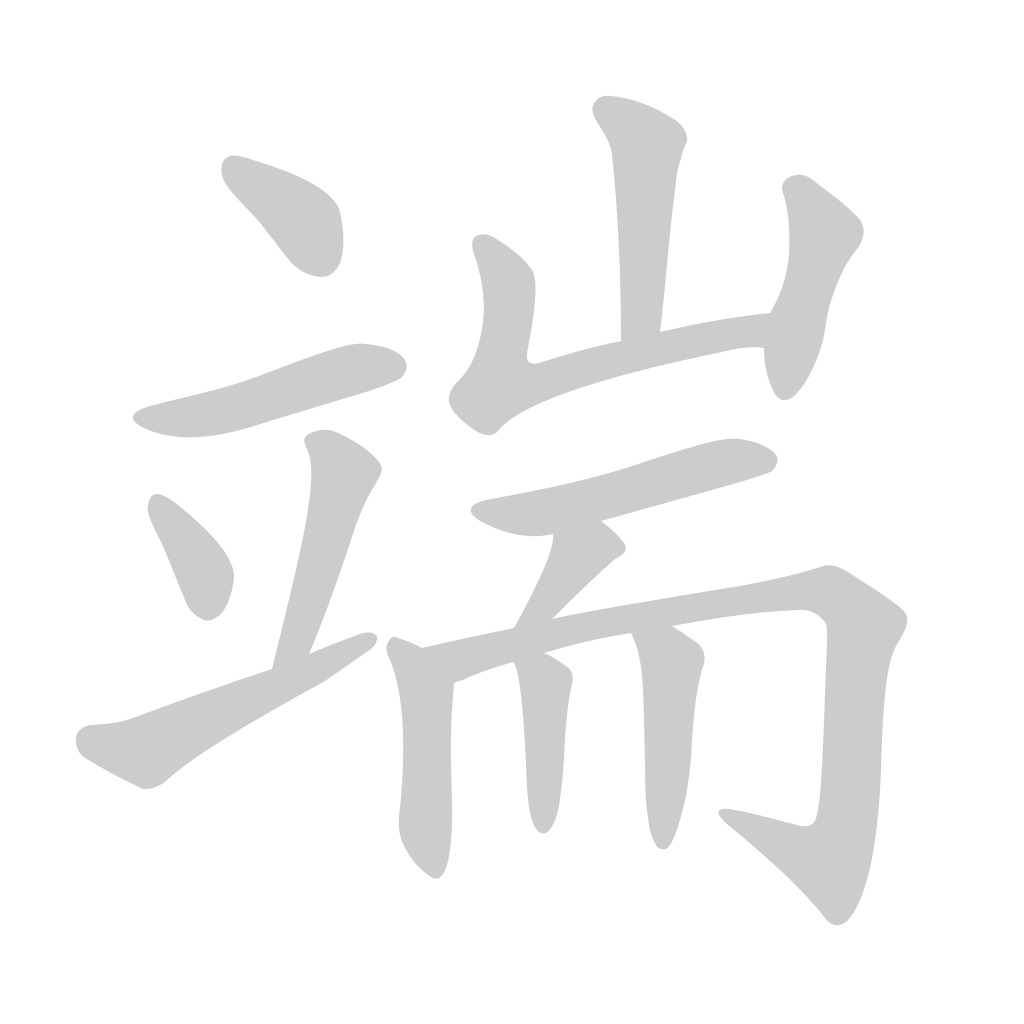
- ## 680 — 端 (edge/tip) — 14 strokes
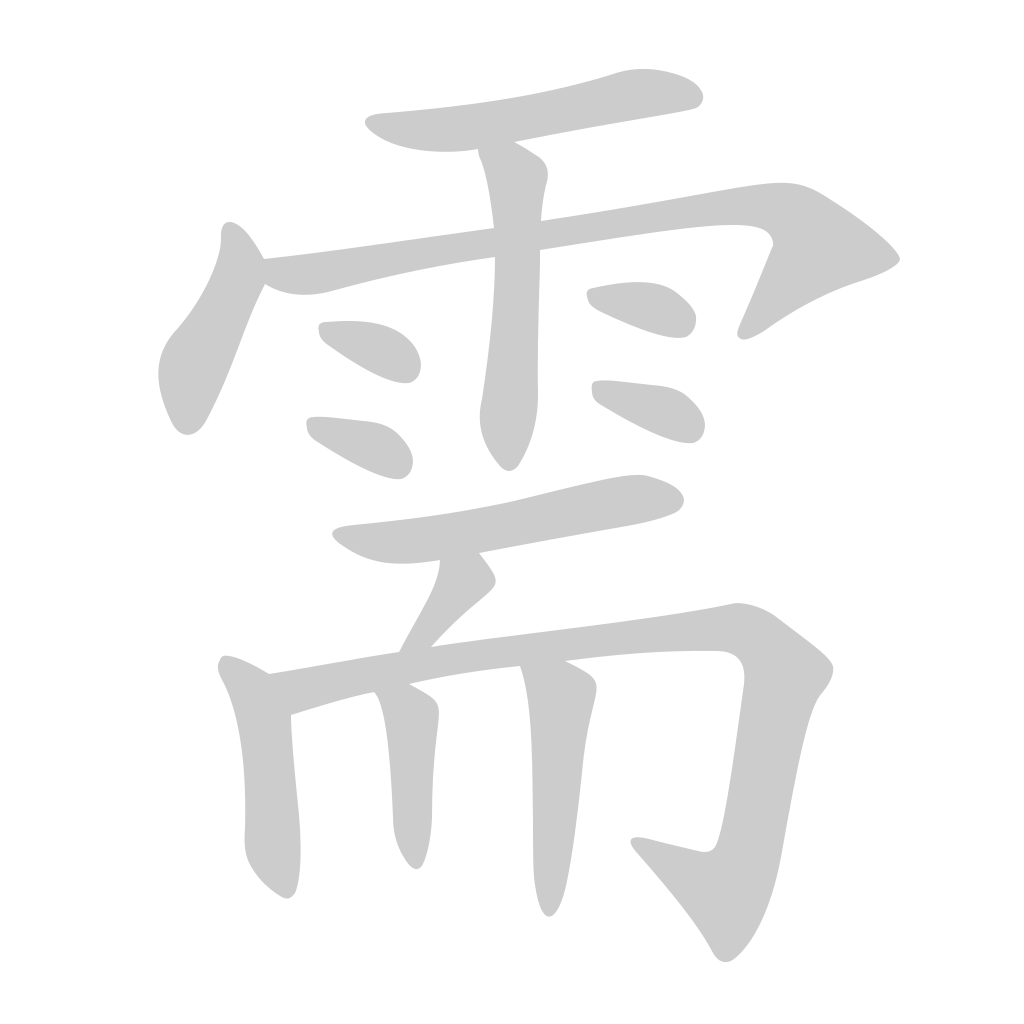
- ## 681 — 需 (demand) — 14 strokes
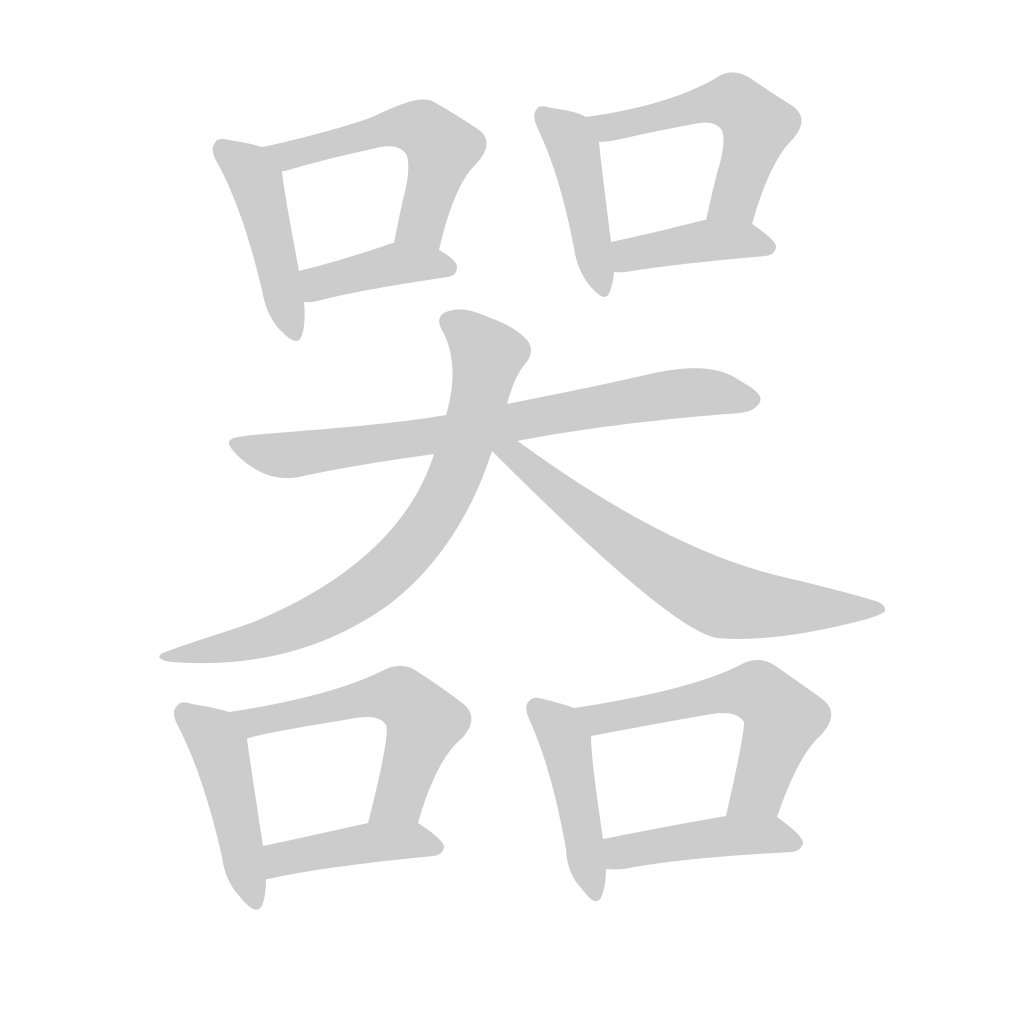
- ## 682 — 器 (vessel/instrument) — 15 strokes
- ## 683 — 品 (goods/quality) — 9 strokes
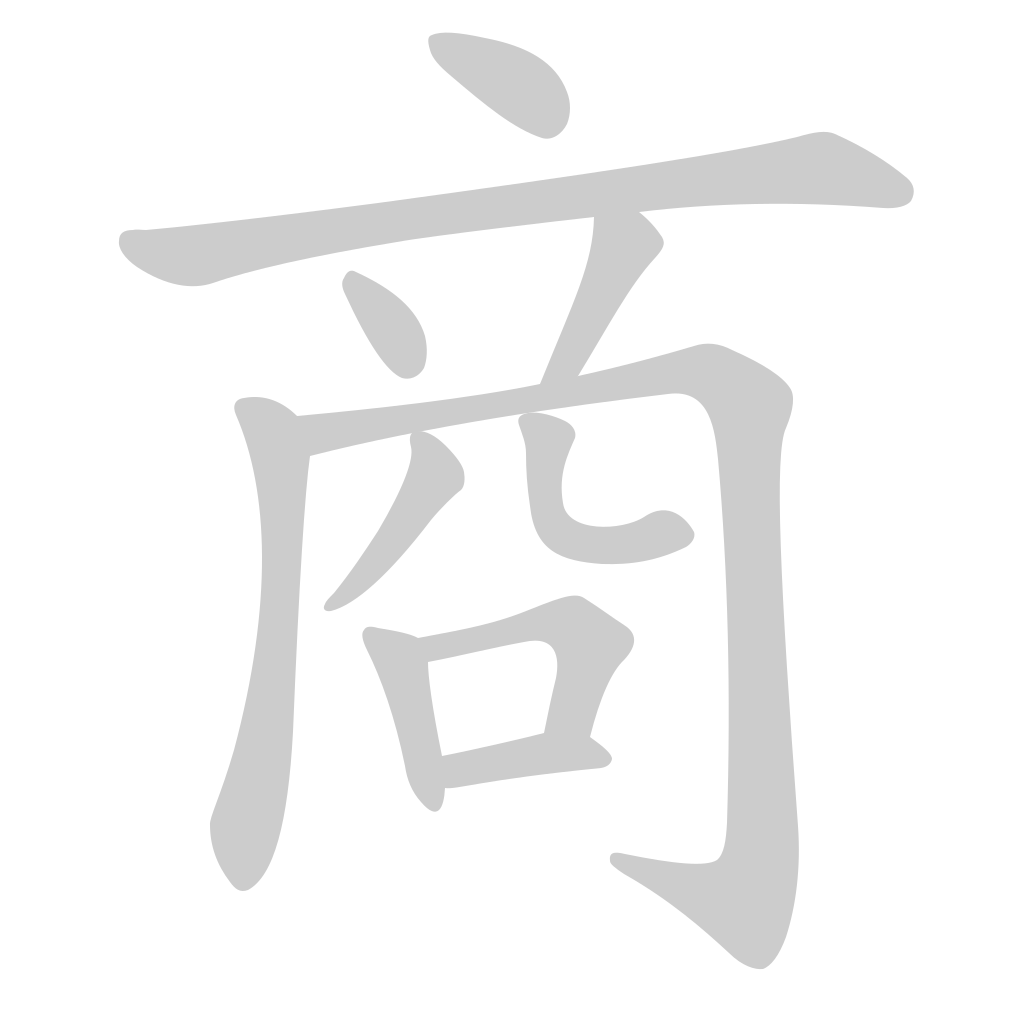
- ## 684 — 商 (commerce) — 11 strokes
- # Stroke Patterns in This Lesson
- # Sources
Lesson 47 — Characters 674–684: 差 養 善 様 植 極 端 需 器 品 商 Companion file to Workbook
Quick Reference
| # | Kanji | Stroke Order | Strokes | Links |
|---|---|---|---|---|
| 674 | 差 |  | 10 | Jisho · AnimCJK |
| 675 | 養 |  | 15 | Jisho · AnimCJK |
| 676 | 善 |  | 12 | Jisho · AnimCJK |
| 677 | 様 |  | 14 | Jisho · AnimCJK |
| 678 | 植 |  | 12 | Jisho · AnimCJK |
| 679 | 極 |  | 12 | Jisho · AnimCJK |
| 680 | 端 |  | 14 | Jisho · AnimCJK |
| 681 | 需 |  | 14 | Jisho · AnimCJK |
| 682 | 器 |  | 15 | Jisho · AnimCJK |
| 683 | 品 |  | 9 | Jisho · AnimCJK |
| 684 | 商 |  | 11 | Jisho · AnimCJK |

SVGs render inline in VS Code markdown preview, Obsidian, and Word/PDF export. Each stroke is numbered in the diagram. AnimCJK links open animated versions in a browser.
Per-Kanji Stroke Notes
674 — 差 (difference) — 10 strokes
- Structure: Top 羊-derived component (ソ + three horizontals) → bottom ⼯-derived component with left sweep
- Watch: The top starts with the two short diagonal strokes (ノ then \), then three horizontals top-to-bottom, before the lower half. Don't start with the horizontals.
- Common error: Confusing stroke order with 着 (which has a similar top but different lower structure)
675 — 養 (nurture) — 15 strokes
- Structure: Top 羊 (8 strokes: ソ + three horizontals + vertical extending down) → bottom 食 (7 strokes)
- Watch: Complete the entire 羊-like top (including its central vertical) before starting 食 below. The 食 bottom uses the standard food-radical stroke order.
- Common error: Writing 食 with wrong stroke count — the bottom-left should be two separate strokes (ノ + dot), not one sweep
676 — 善 (good) — 12 strokes
- Structure: Top 羊 variant (ソ + three horizontals) → middle 一 → bottom 口
- Watch: Similar top component to 差 and 養 — the 羊 variant starts with the two short diagonals. The bottom 口 is written last.
- Common error: Getting the middle section wrong — there's a single long horizontal before the bottom 口
677 — 様 (appearance/manner) — 14 strokes
- Structure: Left 木 (4 strokes) → right 羊 top + 水 bottom (10 strokes)
- Watch: Left 木 first (standard: horizontal, vertical, left sweep, right dot). Then the right side: 羊-like top, then the 水-like bottom with central vertical extending down.
- Common error: The right-side bottom is 永-like, not 水 exactly — check the small strokes carefully
678 — 植 (plant) — 12 strokes
- Structure: Left 木 (4 strokes) → right 直 (8 strokes)
- Watch: 木 left side first. Then 直: top 十, then the 目-like box (horizontal, vertical, inner horizontal, bottom horizontal closing the rectangle), then bottom horizontal.
- Common error: Miscounting strokes in 直 — the inner horizontal of the box is a separate stroke
679 — 極 (extreme) — 12 strokes
- Structure: Left 木 (4 strokes) → right side (8 strokes: 口 + overhead + 又-like bottom)
- Watch: Three 木-radical kanji in a row (様/植/極) — left side is identical for all three. The right side has a complex structure: don't skip the small horizontal above 口.
- Common error: The right side is NOT 亟 written as a simple block — it has a specific top-to-bottom order with the enclosure elements
680 — 端 (edge/tip) — 14 strokes
- Structure: Left 立 (5 strokes) → right: top 山 (3 strokes) + bottom 而 (6 strokes)
- Watch: 立 is written first (top dot, short horizontal, centre vertical splits wide horizontal, left stroke, right stroke). Then 山 on the top right. Then 而 below (一 + long vertical + inner verticals + hook).
- Common error: Writing 而 incorrectly — the top horizontal comes first, then the left long vertical with a hook, then inner strokes
681 — 需 (demand) — 14 strokes
- Structure: Top 雨 (8 strokes) → bottom 而 (6 strokes)
- Watch: 雨 radical on top uses its standard compressed form: horizontal, then the 冂 frame, then the centre vertical, then the four dots inside. Then 而 below.
- Common error: Confusing 需 (demand) with 零 (zero) or 霊 (spirit) — all have 雨 on top but different bottoms. Make sure the bottom is 而 (with its characteristic inner verticals)
682 — 器 (vessel/instrument) — 15 strokes
- Structure: 口口 top (6 strokes) → 犬 center (4 strokes) → 口口 bottom (6 strokes) — but actually 15 strokes total
- Watch: Top-left 口 first, then top-right 口, then centre 大 with the dog-dot (犬), then bottom-left 口, then bottom-right 口. The stroke count is tricky — the 犬 in the centre has 4 strokes (horizontal, ノ, ㇏, dot).
- Common error: Forgetting the dot on 犬 (writing 大 instead) — this is a very common mistake. 器 = four 口 around 犬, not around 大
683 — 品 (goods/quality) — 9 strokes
- Structure: Top 口 (3 strokes) → bottom-left 口 (3 strokes) → bottom-right 口 (3 strokes)
- Watch: Simple and symmetrical. Top 口 first, centred. Then bottom-left 口, then bottom-right 口. Each 口 is: vertical-left, horizontal-top-and-right-vertical (one stroke or two depending on style), then bottom horizontal.
- Common error: Making the three 口 the same size — the top one should be slightly larger/wider than the bottom two
684 — 商 (commerce) — 11 strokes
- Structure: Top 亠 (2 strokes: dot + horizontal) → middle 冂-like enclosure → inner component with 口
- Watch: Starts with the top dot, then horizontal. Then the wide downward strokes forming the enclosure (冂-like). The 八 inside the top. Then the inner 口 near the bottom.
- Common error: Getting the order of the inner strokes wrong — the 八-like strokes come before the bottom 口 section
Stroke Patterns in This Lesson
Shared left component: 木 (き・きへん)
Three kanji share the 木 radical on the left (きへん position): 様, 植, 極. For all three, write the left 木 first (4 strokes: 一 丨 ノ 丶 — note the final right stroke becomes a dot/short stroke when 木 is in きへん position).
Shared top component: 羊-derived
Three kanji share a 羊-like top: 差, 養, 善. The top begins the same way: two short diagonals (ノ \), then horizontal strokes. The number and arrangement of lower strokes differs.
Shared component: 而
Two kanji contain 而: 端 (right-bottom) and 需 (bottom). Same stroke order for 而 in both: long horizontal → left vertical dropping with hook → short inner verticals.
Repeated 口 component
品 (three 口), 器 (four 口 + 犬 centre), 商 (口 inside enclosure) — all feature 口 prominently. Practice the compact 口 (vertical → corner/horizontal → bottom close) as it recurs heavily.
Sources
- KanjiVG — github.com/KanjiVG/kanjivg | License: CC-BY-SA 3.0 | ~11,000 kanji/kana as individual SVGs with numbered strokes. Files named by 5-digit hex Unicode codepoint.
- kanjivg-to-png — github.com/nicdgonzalez/kanjivg-to-png | Rust CLI that converts KanjiVG SVGs into step-by-step stroke panel PNGs (one panel per stroke, progressively building the kanji).
- AnimCJK — github.com/parsimonhi/animCJK | License: Arphic Public License | Animated stroke-order SVGs for 6,400+ Japanese kanji. Files named by decimal Unicode codepoint in
svgsJa/folder. View in browser for CSS animation. - Jisho.org — jisho.org | Uses KanjiVG data for its stroke order diagrams.
- Kakijun — kakijun.jp | Japanese stroke-order reference site with detailed diagrams (in Japanese).