KIC Lesson 47 Kanji Reference
Table of Contents
- # Quick Reference
-
# Per-Kanji Entries
- ## 674 — 差 (difference, distinction) — 10 strokes
- ## 675 — 養 (nurture, foster, support) — 15 strokes
- ## 676 — 善 (good, virtue, goodness) — 12 strokes
- ## 677 — 様 (manner, appearance, Mr/Ms) — 14 strokes
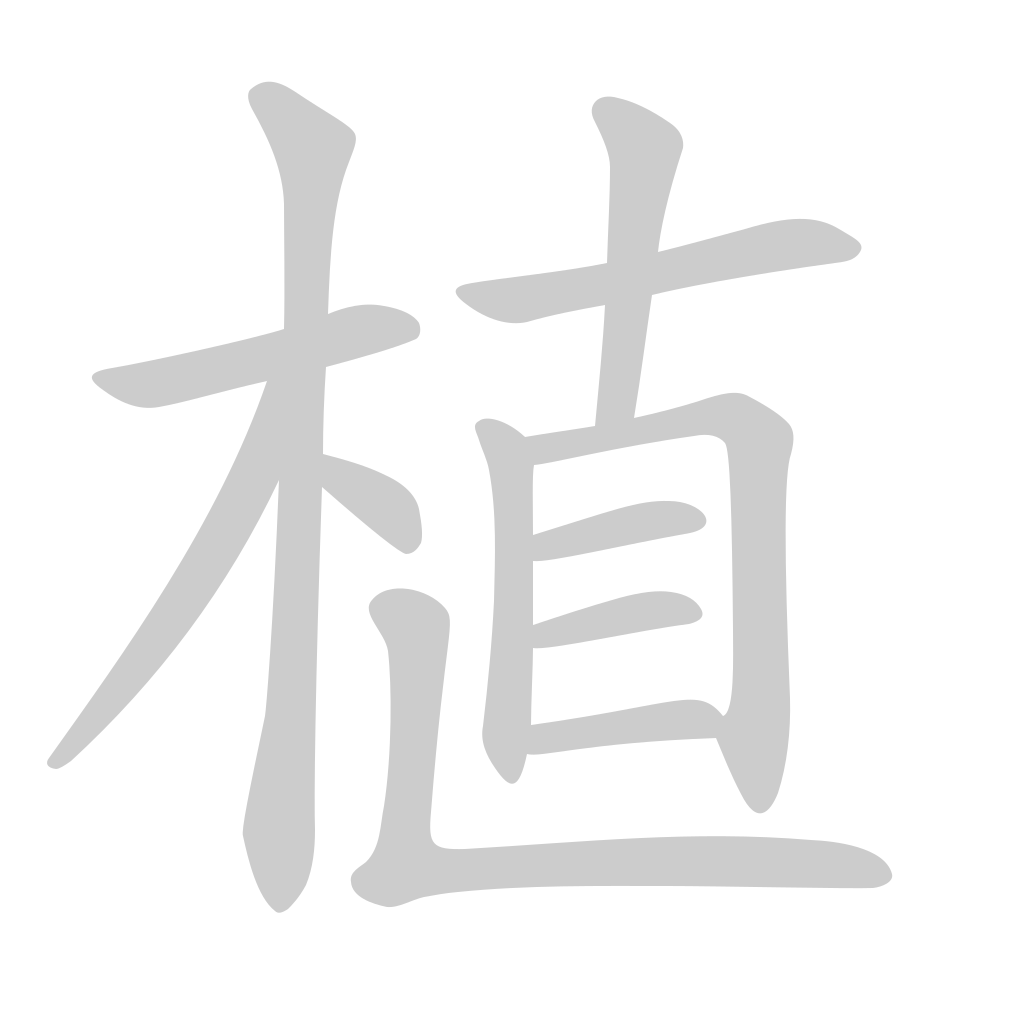
- ## 678 — 植 (plant, grow) — 12 strokes
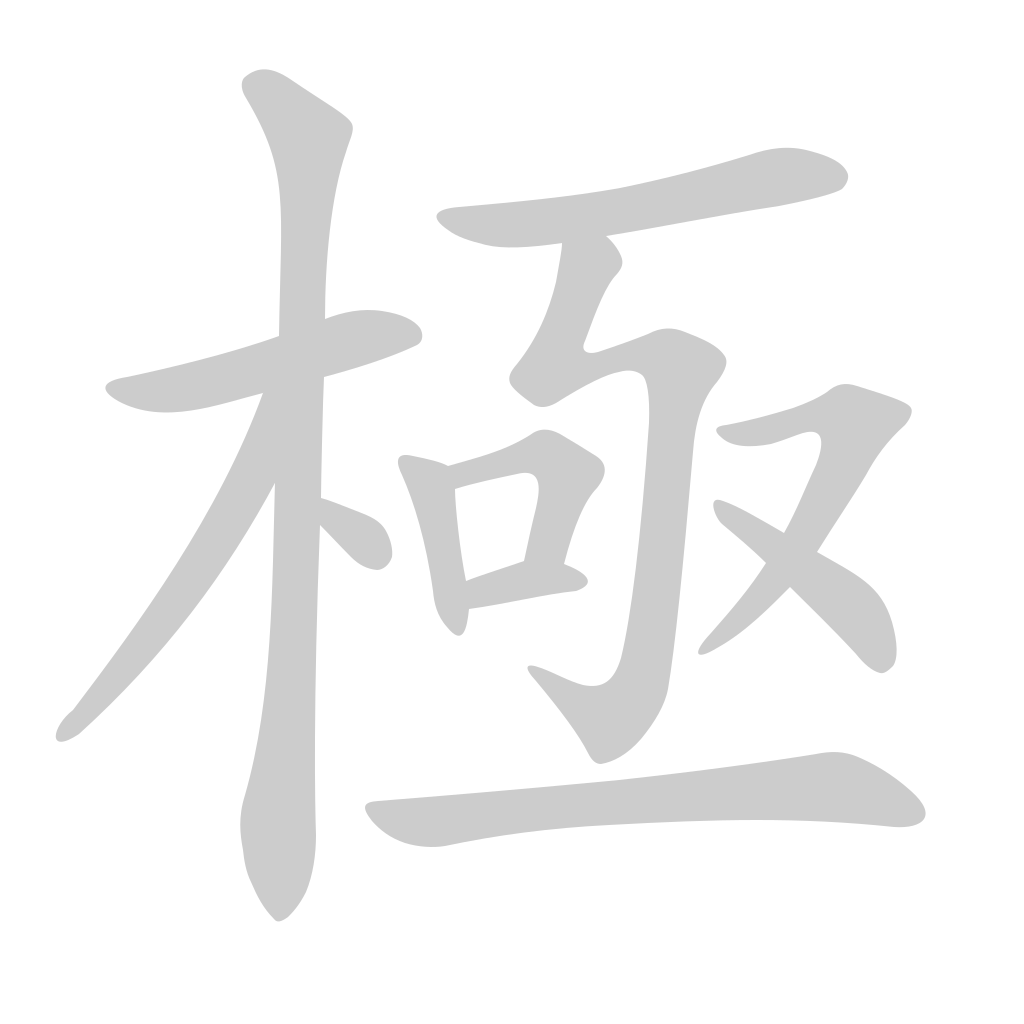
- ## 679 — 極 (extreme, pole, utmost) — 12 strokes
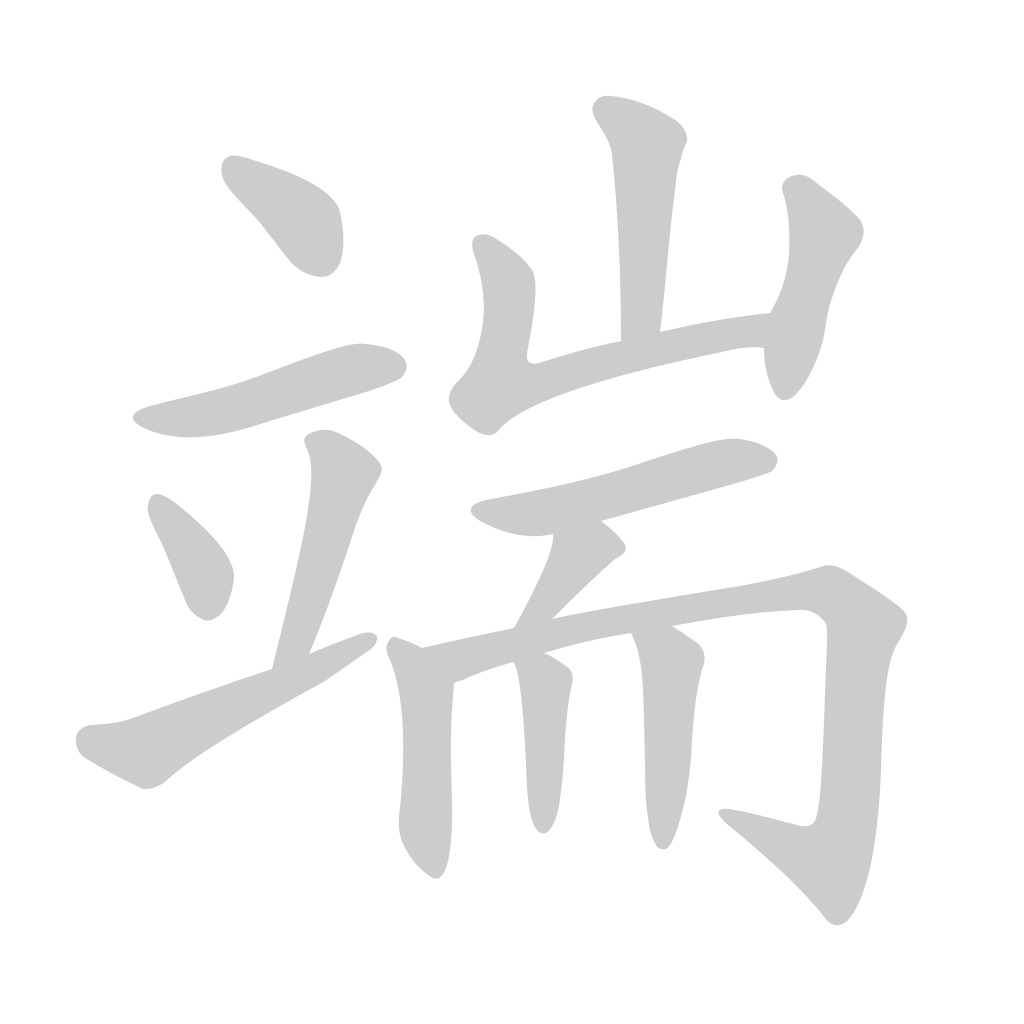
- ## 680 — 端 (edge, end, fraction) — 14 strokes
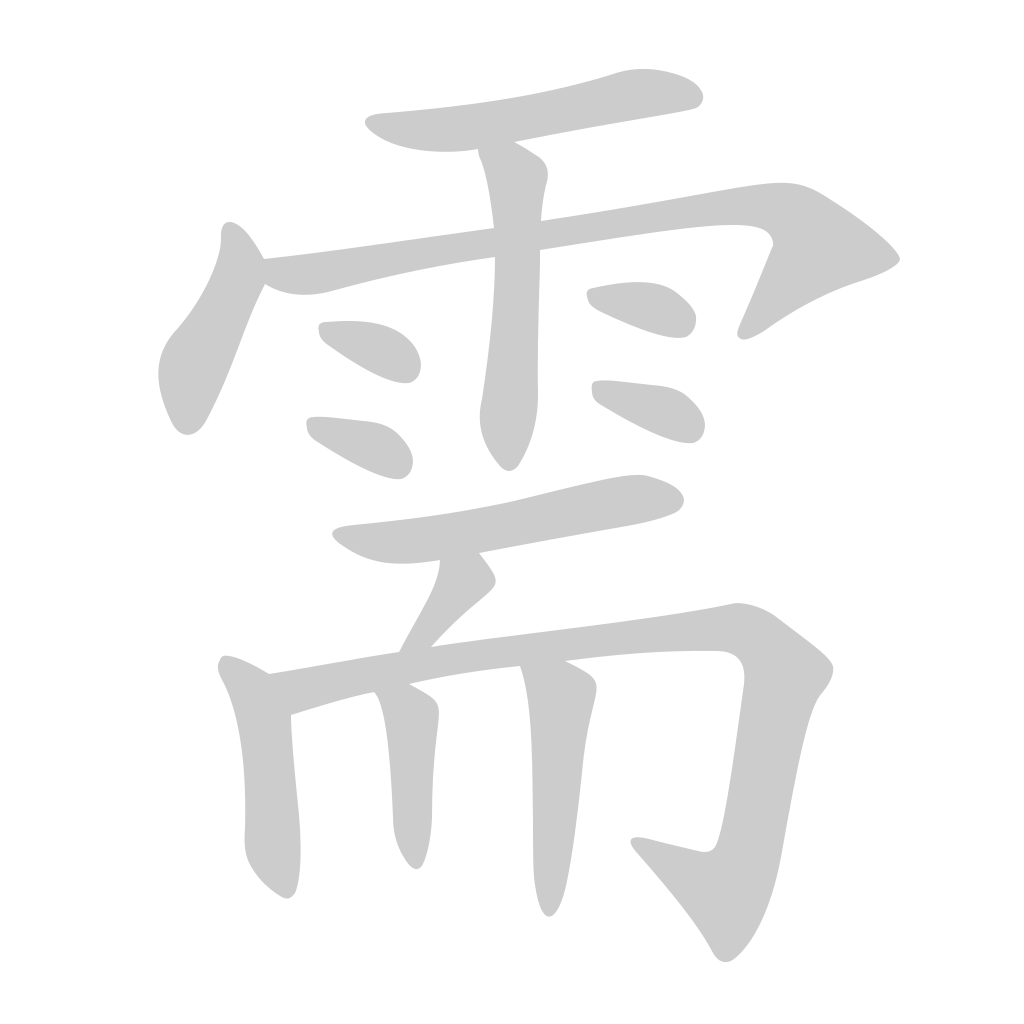
- ## 681 — 需 (demand, need) — 14 strokes
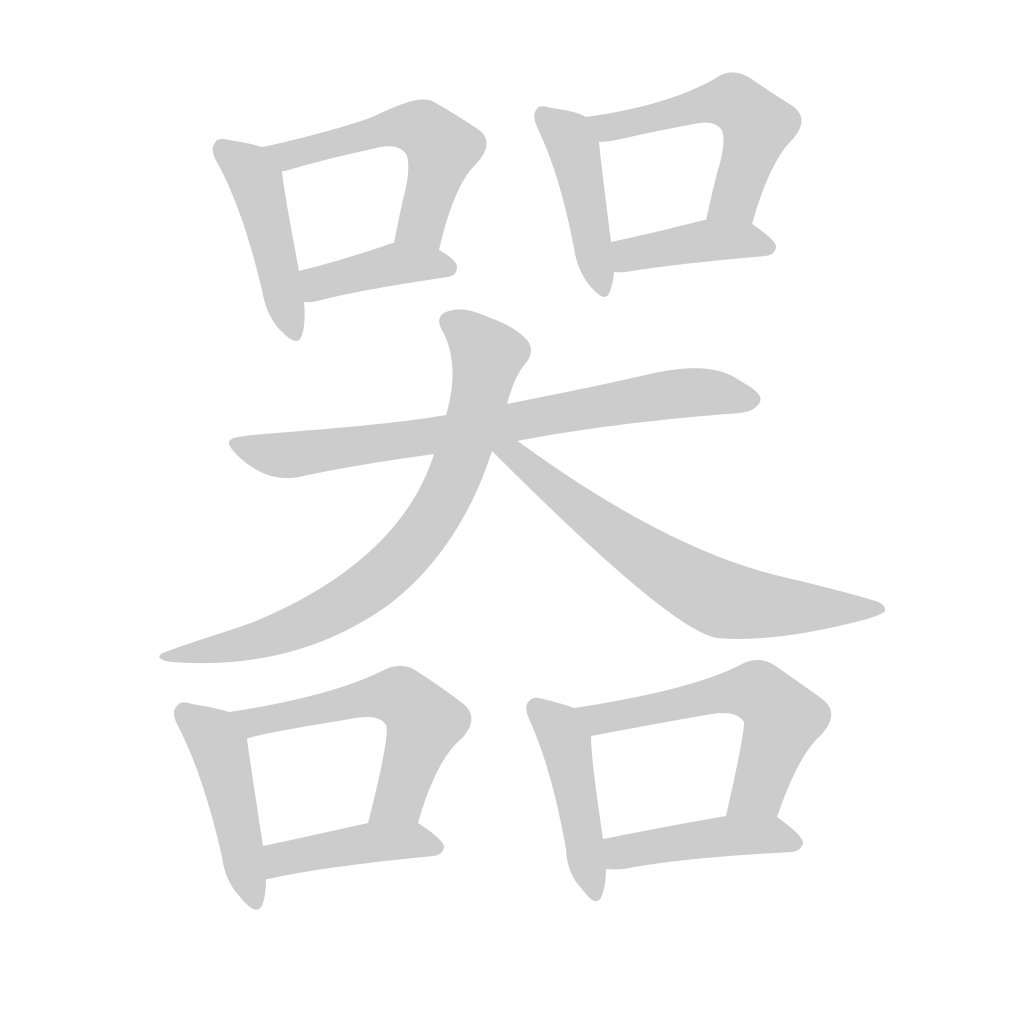
- ## 682 — 器 (vessel, instrument, skill) — 15 strokes
- ## 683 — 品 (goods, quality, elegance) — 9 strokes
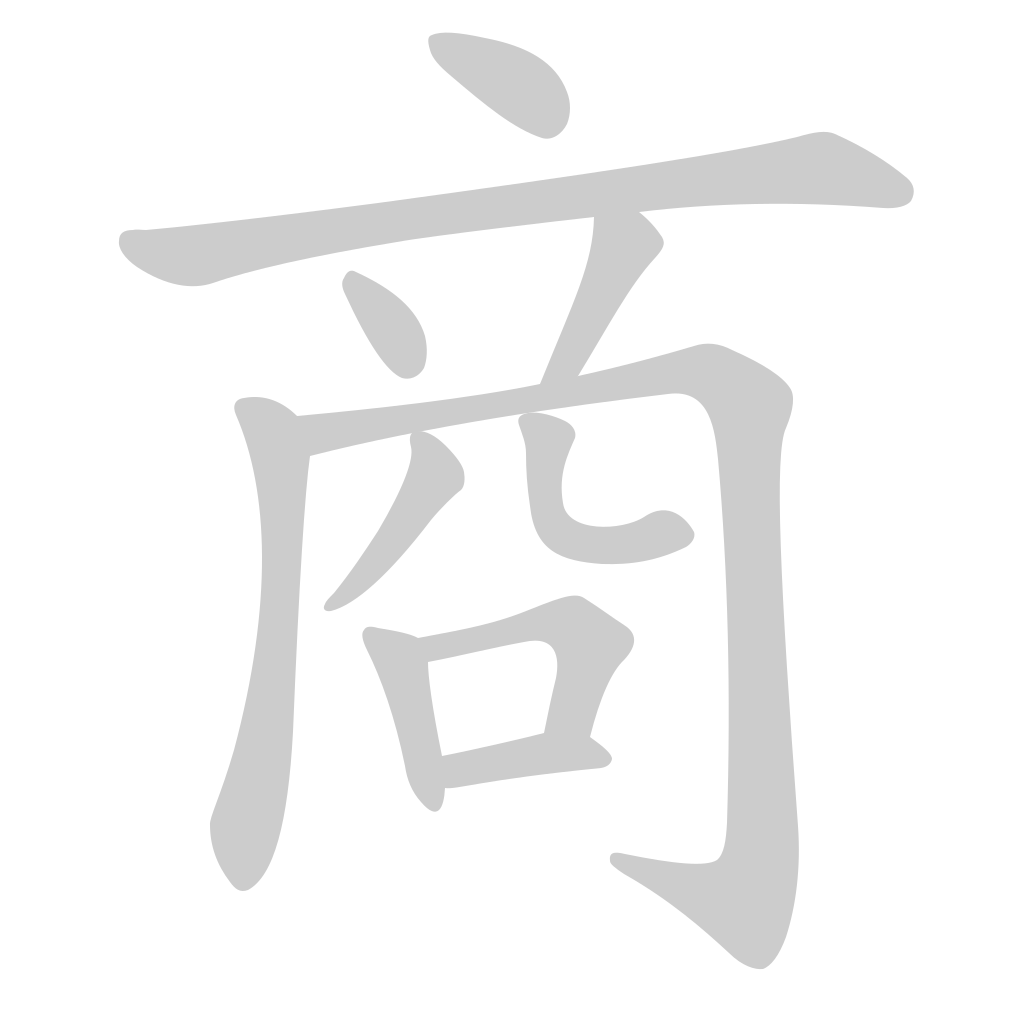
- ## 684 — 商 (commerce, business, trade) — 11 strokes
- # Stroke & Component Patterns in This Lesson
- # Phonetic Series Summary (also in the workbook, repeated here for reference)
- # Sources
Lesson 47 — Characters 674–684: 差 養 善 様 植 極 端 需 器 品 商 Companion to Workbook. The workbook handles articles, vocabulary, study aids, and self-test. This file is the structural deep-dive — radicals, functional components (meaning/sound/form), stroke order, and shared-component patterns. Use it when you want to understand why a kanji is built the way it is, or to drill stroke order.
Quick Reference
| # | Kanji | Stroke Order | Strokes | Radical | Links |
|---|---|---|---|---|---|
| 674 | 差 |  | 10 | 工 (work) | Jisho · AnimCJK |
| 675 | 養 |  | 15 | 食 (food) | Jisho · AnimCJK |
| 676 | 善 |  | 12 | 口 (mouth) | Jisho · AnimCJK |
| 677 | 様 |  | 14 | 木 (tree) | Jisho · AnimCJK |
| 678 | 植 |  | 12 | 木 (tree) | Jisho · AnimCJK |
| 679 | 極 |  | 12 | 木 (tree) | Jisho · AnimCJK |
| 680 | 端 |  | 14 | 立 (stand) | Jisho · AnimCJK |
| 681 | 需 |  | 14 | 雨 (rain) | Jisho · AnimCJK |
| 682 | 器 |  | 15 | 口 (mouth) | Jisho · AnimCJK |
| 683 | 品 |  | 9 | 口 (mouth) | Jisho · AnimCJK |
| 684 | 商 |  | 11 | 口 (mouth) | Jisho · AnimCJK |
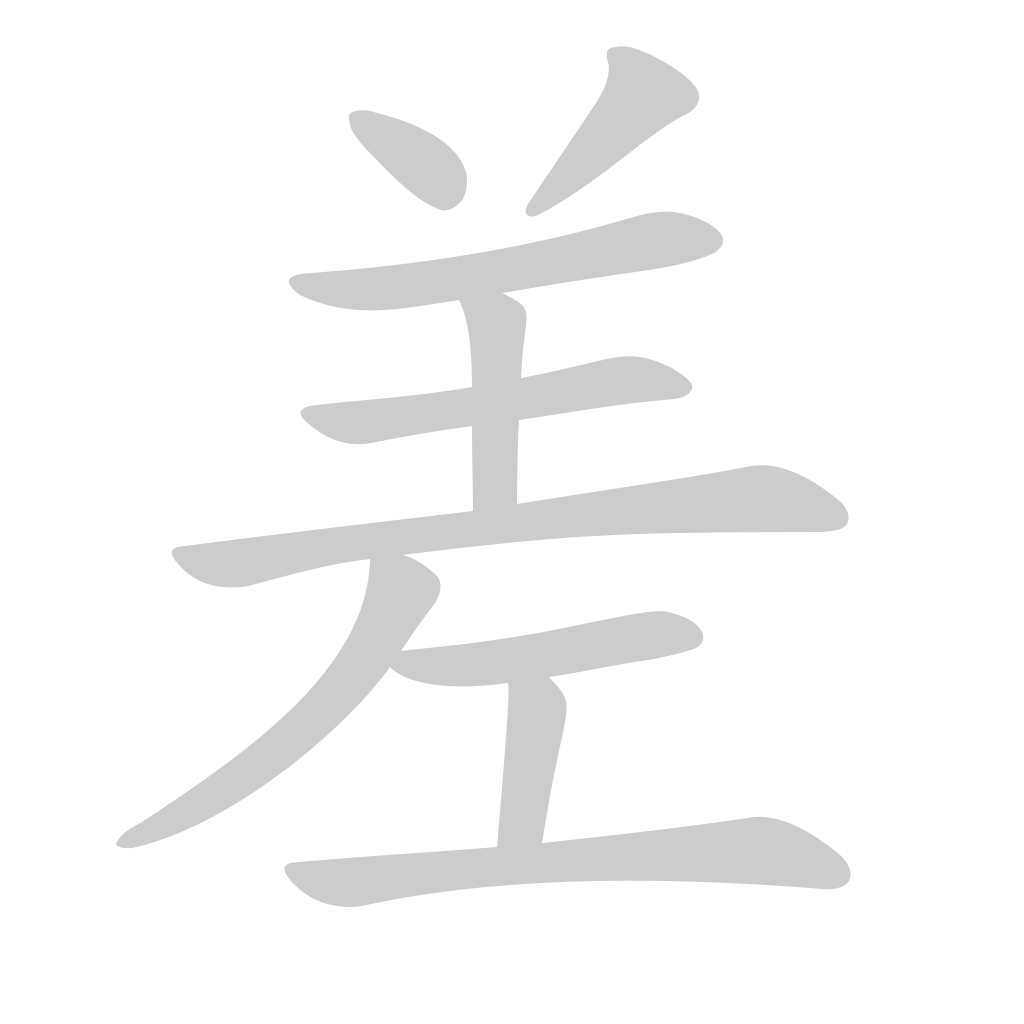
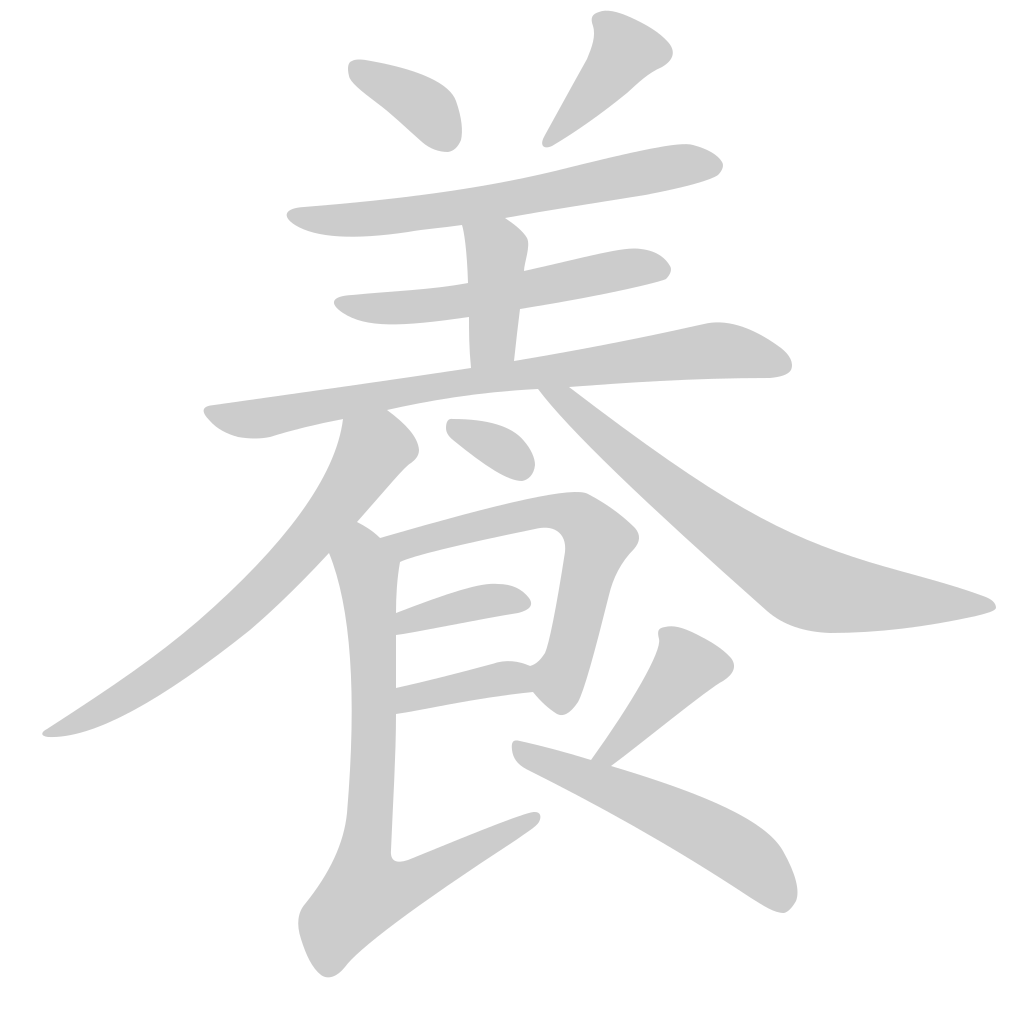
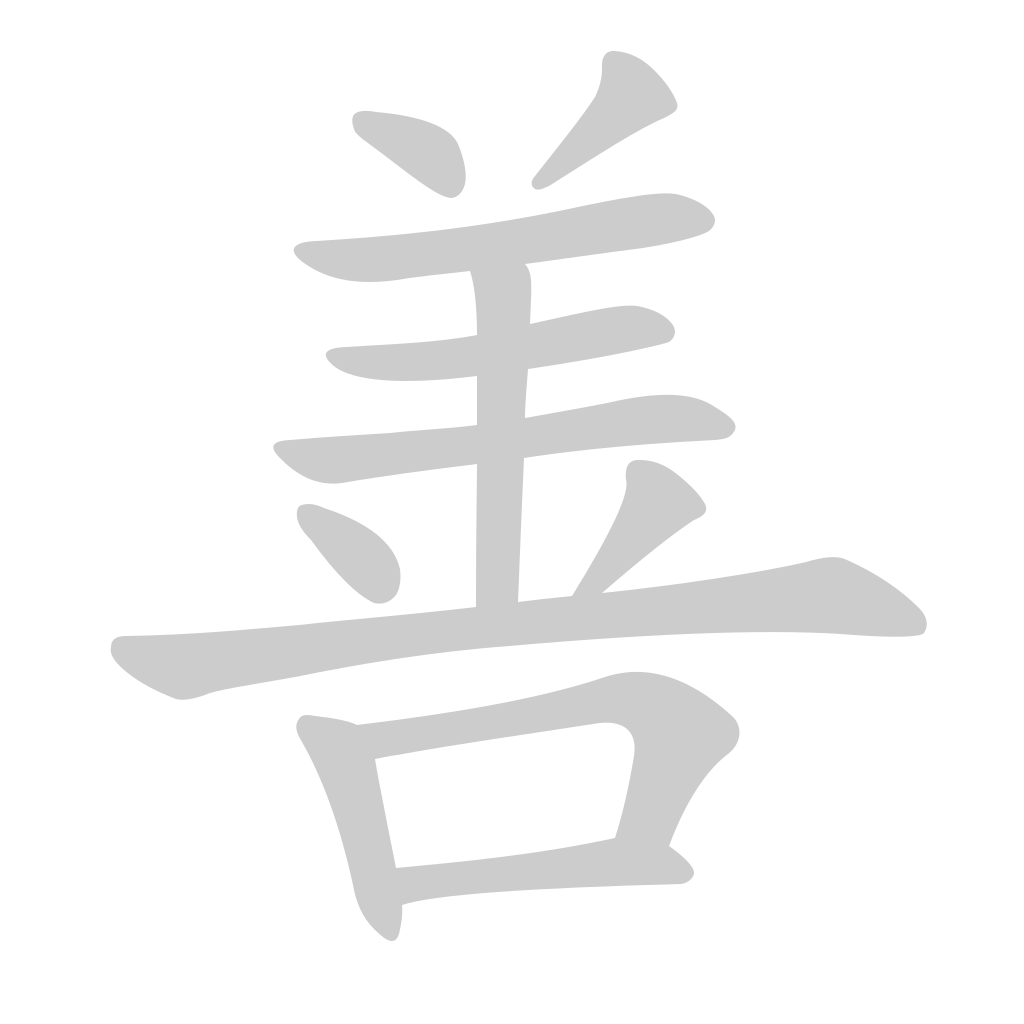
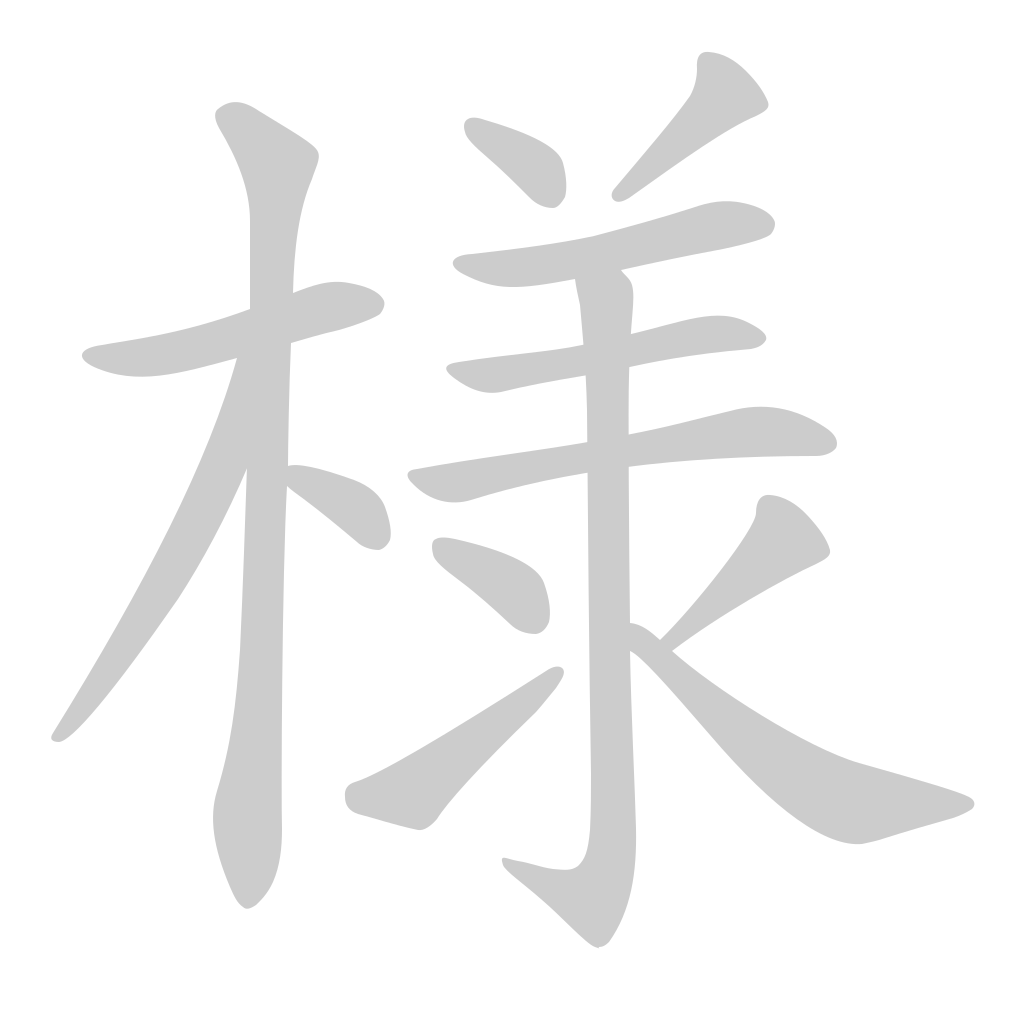

PNGs are generated from KanjiVG using
kanjivg-to-png, so each image shows the character being built stroke by stroke in panels. AnimCJK links open animated versions in a browser.
Per-Kanji Entries
674 — 差 (difference, distinction) — 10 strokes
Radical: 工 (たくみ — "work, skill") · no specific position · 10 strokes total
Components & function — 形声 (phonosemantic)
- 尞 (form / semantic): relates to bundled items (charcoal sheaves), hence "unevenness, difference"
- 𠂇 (sound, archaic): /*TSAI/ → 差【サ】 — original sound component corrupted to resemble 左 in modern form. No useful modern phonetic series.
- ⚠️ The top part looks like 羊 but is historically unrelated to the 羊 in 養/様/善.
Stroke order
- Structure: top 羊-derived component (ソ + three horizontals) → bottom ⼯-derived component with left sweep
- Watch: top starts with two short diagonal strokes (ノ then \), then three horizontals top-to-bottom, before the lower half. Don't start with the horizontals.
- Common error: confusing stroke order with 着 (similar top, different lower structure).
675 — 養 (nurture, foster, support) — 15 strokes
Radical: 食 (しょく — "food, eat") · the radical IS the semantic component · 15 strokes total
Components & function — 形声 (phonosemantic)
- 食 (semantic): food, nourishment — to feed, rear, nurture
- 羊 (sound): 羊【ヨウ】→ 養【ヨウ】 ✓
- The phonetic series 羊 → 養・様 is the lesson's cleanest 形声 pattern.
Stroke order
- Structure: top 羊 (8 strokes — ソ + three horizontals + central vertical extending down) → bottom 食 (7 strokes)
- Watch: complete the entire 羊-like top (including its central vertical) before starting 食 below. The 食 bottom uses the standard food-radical stroke order.
- Common error: writing 食 with wrong stroke count — the bottom-left should be two separate strokes (ノ + dot), not one sweep.
676 — 善 (good, virtue, goodness) — 12 strokes
Radical: 口 (くち — "mouth") · no specific position · 12 strokes total
Components & function — 会意 (compound ideograph)
- 羊 (meaning): auspicious / good
- 誩 (meaning, simplified to 口口-like bottom + 一): "many mouths praising"
- → "goodness" emerges from "auspicious + many voices"
- ⚠️ Radical is 口, but the semantic weight is 羊 (auspiciousness). 口 is just the dictionary filing radical.
Stroke order
- Structure: top 羊 variant (ソ + three horizontals) → middle 一 → bottom 口
- Watch: similar top to 差 and 養 — the 羊 variant starts with two short diagonals. The bottom 口 is written last.
- Common error: getting the middle section wrong — there's a single long horizontal before the bottom 口.
677 — 様 (manner, appearance, Mr/Ms) — 14 strokes
Radical: 木 (きへん — "tree, wood") · へん (left) · 14 strokes total
Components & function — 形声 (phonosemantic)
- 木 (semantic): tree / wood — originally a type of oak tree, later generalized to "manner, style"
- 羊 (sound): 羊【ヨウ】→ 様【ヨウ】 ✓
- 氺 (form, water-like bottom-right): structural decoration
- The radical 木 IS the semantic component.
Stroke order
- Structure: left 木 (4 strokes) → right 羊 top + 水-like bottom (10 strokes)
- Watch: left 木 first (horizontal, vertical, left sweep, right dot — the final right becomes a dot/short stroke when 木 is in きへん position). Then the right side: 羊-like top, then the 水-like bottom with central vertical extending down.
- Common error: the right-side bottom is 永-like, not 水 exactly — check the small strokes carefully.
678 — 植 (plant, grow) — 12 strokes
Radical: 木 (きへん — "tree, wood") · へん (left) · 12 strokes total
Components & function — 形声 (phonosemantic)
- 木 (semantic): tree, plant
- 直 (sound): 直【チョク】→ 植【ショク】 (initial consonant shift チ→ショ, regular historical correspondence)
- The radical 木 IS the semantic component.
Stroke order
- Structure: left 木 (4 strokes) → right 直 (8 strokes)
- Watch: 木 left side first (same as 様, 極). Then 直: top 十, then the 目-like box (horizontal, vertical, inner horizontal, bottom horizontal closing the rectangle), then bottom horizontal.
- Common error: miscounting strokes in 直 — the inner horizontal of the box is a separate stroke.
679 — 極 (extreme, pole, utmost) — 12 strokes
Radical: 木 (きへん — "tree, wood") · へん (left) · 12 strokes total
Components & function — 形声 (phonosemantic)
- 木 (semantic): wood — originally "ridgepole" (棟木, the highest beam in a house) → "extreme, utmost"
- 亟 (sound): 亟【キョク】→ 極【キョク】 ✓
- The radical 木 IS the semantic component.
Stroke order
- Structure: left 木 (4 strokes) → right side (8 strokes: 口 + overhead + 又-like bottom)
- Watch: three 木-radical kanji in a row (様/植/極) — left side identical for all three. The right side has a complex structure: don't skip the small horizontal above 口.
- Common error: the right side is NOT 亟 written as a simple block — it has a specific top-to-bottom order with the enclosure elements.
680 — 端 (edge, end, fraction) — 14 strokes
Radical: 立 (たつへん — "to stand") · へん (left) · 14 strokes total
Components & function — 形声 (phonosemantic)
- 立 (semantic): standing / upright
- 耑 (sound): 耑【タン】→ 端【タン】 ✓
- The radical 立 IS the semantic component.
Stroke order
- Structure: left 立 (5 strokes) → right: top 山 (3 strokes) + bottom 而 (6 strokes)
- Watch: 立 first (top dot, short horizontal, central vertical splits wide horizontal, left stroke, right stroke). Then 山 on the top right. Then 而 below (一 + long vertical + inner verticals + hook).
- Common error: writing 而 incorrectly — top horizontal first, then the left long vertical with a hook, then inner strokes.
681 — 需 (demand, need) — 14 strokes
Radical: 雨 (あめかんむり — "rain") · かんむり (top) · 14 strokes total
Components & function — 会意 (compound ideograph) (some scholars argue 形声)
- 雨 (semantic): rain
- 而 / 天 (form): person standing under sky
- → "getting wet, waiting for rain" → later "to need"
- An alternative analysis treats the bottom as a sound component from 孺. Most consensus: 会意.
- The radical 雨 IS the semantic component.
Stroke order
- Structure: top 雨 (8 strokes) → bottom 而 (6 strokes)
- Watch: 雨 radical on top uses its compressed form: horizontal, then the 冂 frame, then the centre vertical, then the four dots inside. Then 而 below.
- Common error: confusing 需 (demand) with 零 (zero) or 霊 (spirit) — all have 雨 on top but different bottoms. Make sure the bottom is 而 (with its characteristic inner verticals).
682 — 器 (vessel, instrument, skill) — 15 strokes
Radical: 口 (くち — "mouth") · no specific position · 15 strokes total
Components & function — 会意 (compound ideograph) (but etymology ultimately unclear — 字源不詳)
- 犬 (form / meaning, center, often corrupted to look like 大): possibly a dog guarding vessels (per 説文解字), or 大 as "many kinds of"
- 口 ×4 (form): four containers/vessels surrounding the center
- ⚠️ Radical is 口, but the meaning comes from the full compound structure, not a single 口. The center component may be 犬 (corrupted to look like 大).
Stroke order
- Structure: top 口口 (6 strokes) → 犬 center (4 strokes) → bottom 口口 (6 strokes) — but actually 15 strokes total with the dot
- Watch: top-left 口 first, then top-right 口, then centre 大 with the dog-dot (犬), then bottom-left 口, then bottom-right 口. The 犬 in the centre has 4 strokes (horizontal, ノ, ㇏, dot).
- Common error: forgetting the dot on 犬 (writing 大 instead) — very common mistake. 器 = four 口 around 犬, not around 大.
683 — 品 (goods, quality, elegance) — 9 strokes
Radical: 口 (くち — "mouth") · no specific position · 9 strokes total
Components & function — 会意 (compound ideograph)
- 口 ×3 (form): three 口 shapes represent many items / containers → "goods, articles"
- The radical 口 is appropriate here — the whole character IS three 口.
Stroke order
- Structure: top 口 (3 strokes) → bottom-left 口 (3 strokes) → bottom-right 口 (3 strokes)
- Watch: simple and symmetrical. Top 口 first (centred). Then bottom-left 口, then bottom-right 口. Each 口 is: vertical-left, horizontal-top-and-right-vertical, then bottom horizontal.
- Common error: making the three 口 the same size — the top one should be slightly larger/wider than the bottom two.
684 — 商 (commerce, business, trade) — 11 strokes
Radical: 口 (くち — "mouth") · no specific position · 11 strokes total
Components & function — 不詳 (uncertain — structure and etymology debated)
- Possibly related to the Shang dynasty name (商 was the dynasty; Shang people became associated with trade).
- 説文解字 analyzed it as 㕯 + sound 章【ショウ】, but Wiktionary JP notes this is considered an incorrect analysis.
- ⚠️ Structure debated. Don't over-analyze the components — learn 商 as a unit.
Stroke order
- Structure: top 亠 (2 strokes — dot + horizontal) → middle 冂-like enclosure → inner component with 口
- Watch: starts with the top dot, then horizontal. Then the wide downward strokes forming the enclosure (冂-like). The 八 inside the top. Then the inner 口 near the bottom.
- Common error: getting the order of the inner strokes wrong — the 八-like strokes come before the bottom 口 section.
Stroke & Component Patterns in This Lesson
木 cluster — 様 植 極
Three kanji share 木 on the left (きへん position). The left side is identical for all three (4 strokes: 一 丨 ノ 丶 — note the final right stroke becomes a dot/short stroke when 木 is in きへん position). The right side is what determines reading and meaning:
| Kanji | Right side | Reading driver |
|---|---|---|
| 様 | 羊 + 氺 | 羊【ヨウ】 → 様【ヨウ】 |
| 植 | 直 | 直【チョク】 → 植【ショク】 |
| 極 | 亟 | 亟【キョク】 → 極【キョク】 |
Practice 木 in きへん position once — it covers three of the lesson's eleven kanji.
羊 cluster — 差 養 善 様 (false-lookalike + sound + meaning)
Four kanji have a 羊-derived top, but the 羊 plays a different role in each:
| Kanji | Role of 羊 |
|---|---|
| 差 | False lookalike — the top looks like 羊 but is historically unrelated |
| 養 | Sound component (羊【ヨウ】 → 養【ヨウ】) |
| 善 | Meaning component (auspicious / good) |
| 様 | Sound component (羊【ヨウ】 → 様【ヨウ】) |
Stroke order is consistent across the four: two short diagonals (ソ) → three horizontals top-to-bottom. But what comes BELOW changes everything semantically.
而 component — 端 needs · 需
Both 端 (right-bottom) and 需 (bottom) contain 而. Same stroke order in both: long horizontal → left vertical dropping with hook → short inner verticals.
口 prominence — 品 器 商
- 品 = three 口 stacked (the whole character IS the 口 repetition)
- 器 = four 口 around 犬 in the center
- 商 = one 口 inside an enclosure structure
Practice the compact 口 (vertical → corner/horizontal → bottom close) — it recurs heavily.
Phonetic Series Summary (also in the workbook, repeated here for reference)
| Sound Component | Reading | In This Lesson | Other Common Kanji |
|---|---|---|---|
| 羊 | ヨウ | 養, 様 | 洋, 痒 |
| 直 | チョク→ショク | 植 | 値【チ】, 殖【ショク】 |
| 亟 | キョク | 極 | — (rare component) |
| 耑 | タン | 端 | 瑞【ズイ】(sound shifted) |
💡 Lesson highlight: 羊 appears in four kanji this lesson (養, 善, 様, and the top of 差 looks like it) but serves a different function each time — sound in 養/様, meaning in 善, and is actually a false lookalike in 差. This is a perfect example of why position alone doesn't determine function.
Etymological decompositions are simplified for study purposes. For rigorous functional analysis, see the Outlier Kanji Dictionary (iOS/Android via Pleco). Free sources used: Wiktionary JP, Kanji Alive, on'yomi cross-referencing via WWWJDIC.
Sources
- KanjiVG — github.com/KanjiVG/kanjivg | License: CC-BY-SA 3.0 | ~11,000 kanji/kana as individual SVGs with numbered strokes. Files named by 5-digit hex Unicode codepoint.
- kanjivg-to-png — github.com/nicdgonzalez/kanjivg-to-png | Rust CLI that converts KanjiVG SVGs into step-by-step stroke panel PNGs (one panel per stroke, progressively building the kanji).
- AnimCJK — github.com/parsimonhi/animCJK | License: Arphic Public License | Animated stroke-order SVGs for 6,400+ Japanese kanji. Files named by decimal Unicode codepoint in
svgsJa/folder. View in browser for CSS animation. - Jisho.org — jisho.org | Uses KanjiVG data for its stroke order diagrams.
- Kakijun — kakijun.jp | Japanese stroke-order reference site with detailed diagrams (in Japanese).
- Outlier Linguistics — outlier-linguistics.com | The Outlier Kanji Dictionary (iOS/Android via Pleco) is the gold standard for rigorous functional component analysis.