KIC Lesson 46 Stroke Order
Table of Contents
- # Quick Reference
-
# Per-Kanji Stroke Notes
- ## 663 — 句 (phrase) — 5 strokes
- ## 664 — 旬 (ten-day period) — 6 strokes
- ## 665 — 保 (preserve) — 9 strokes
- ## 666 — 証 (proof) — 12 strokes
- ## 667 — 許 (permit) — 11 strokes
- ## 668 — 認 (recognize) — 14 strokes
- ## 669 — 課 (section / assignment) — 15 strokes
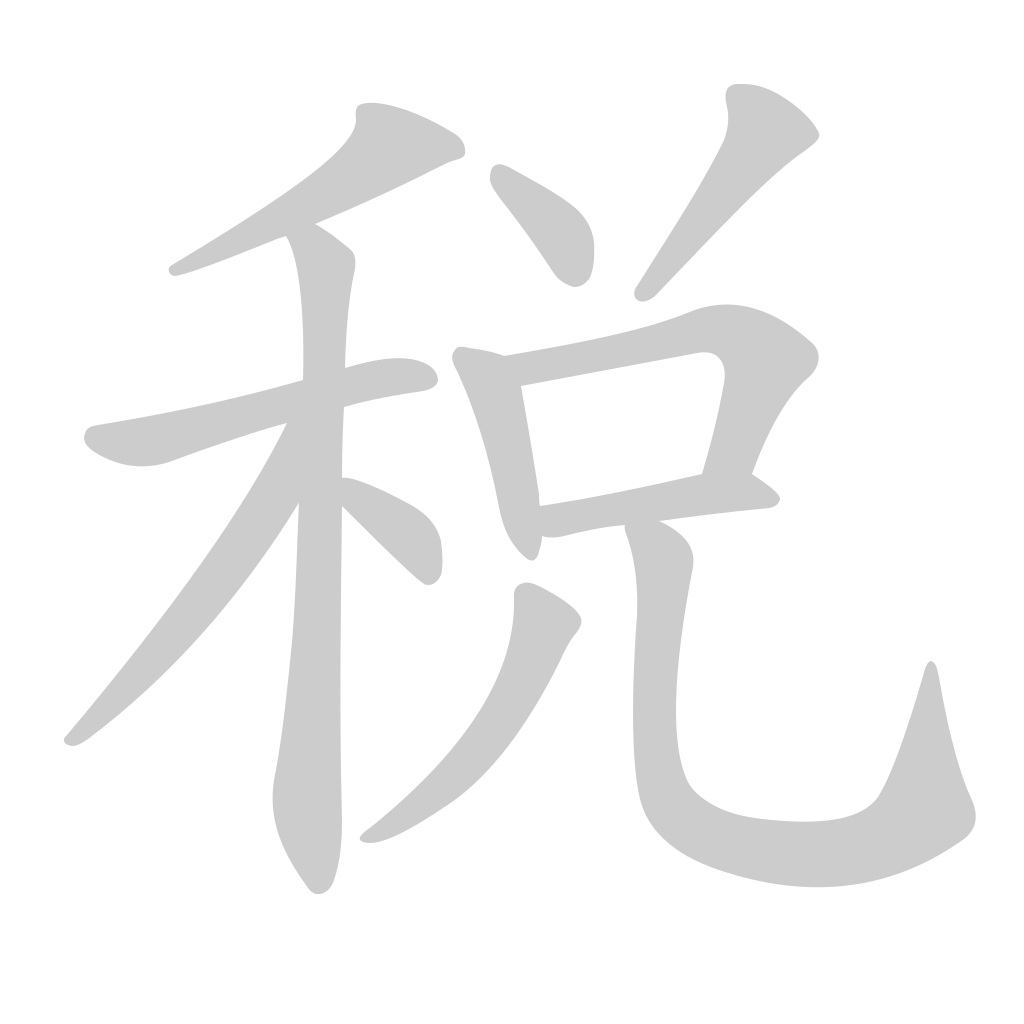
- ## 670 — 税 (tax) — 12 strokes
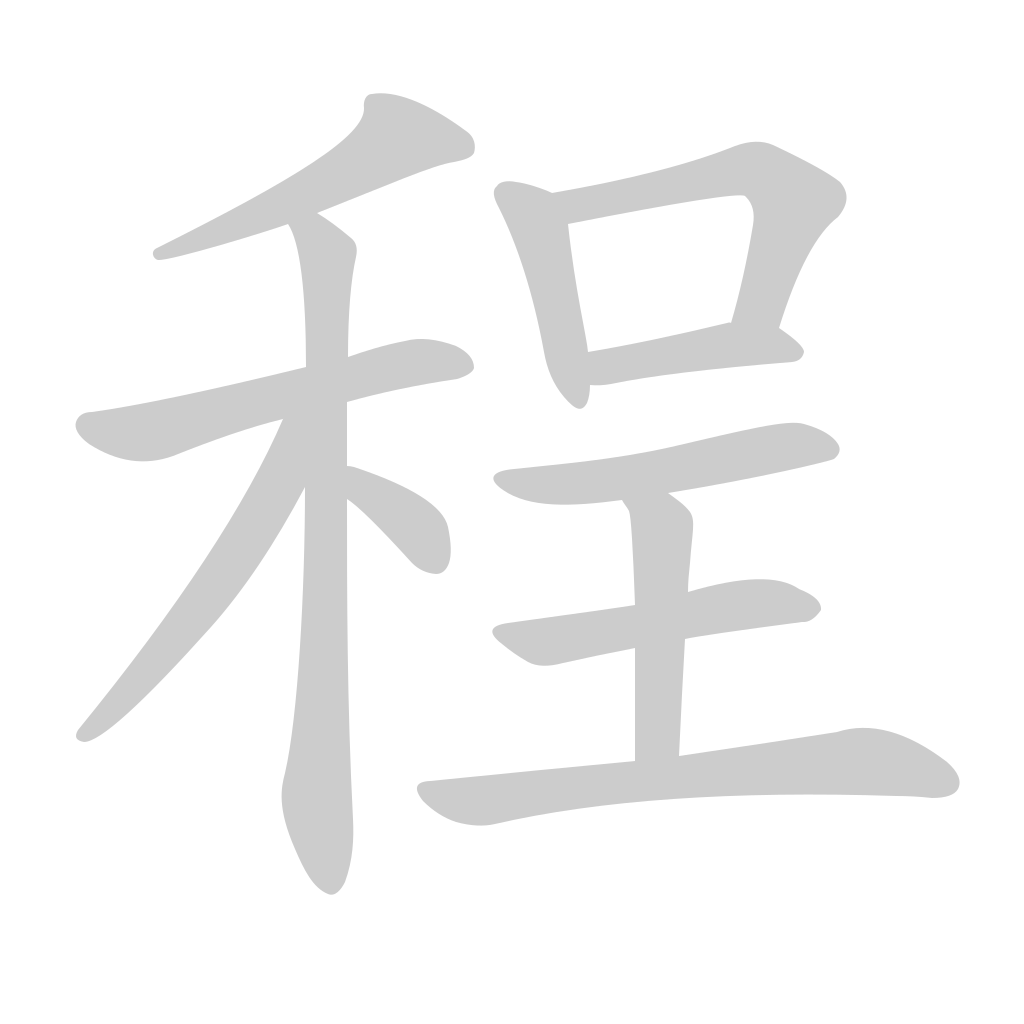
- ## 671 — 程 (extent) — 12 strokes
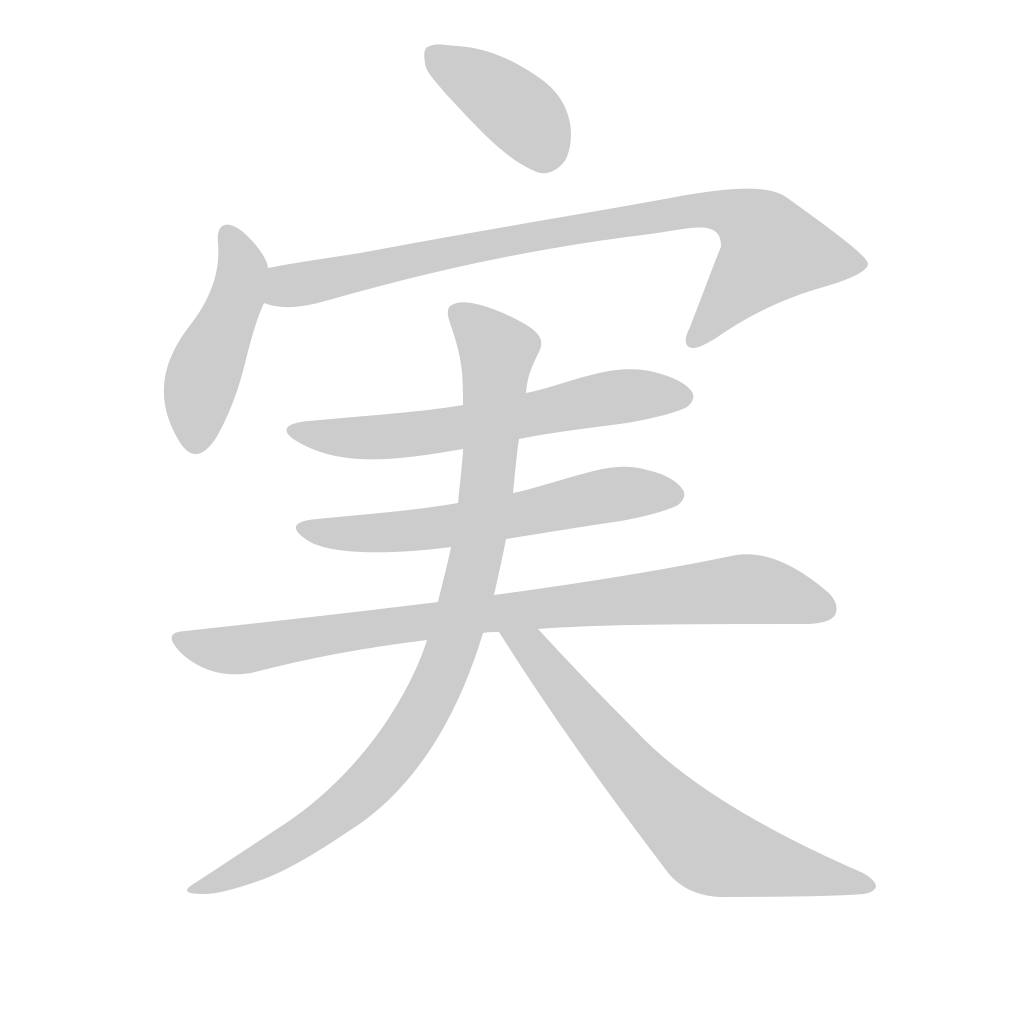
- ## 672 — 実 (reality / fruit) — 8 strokes
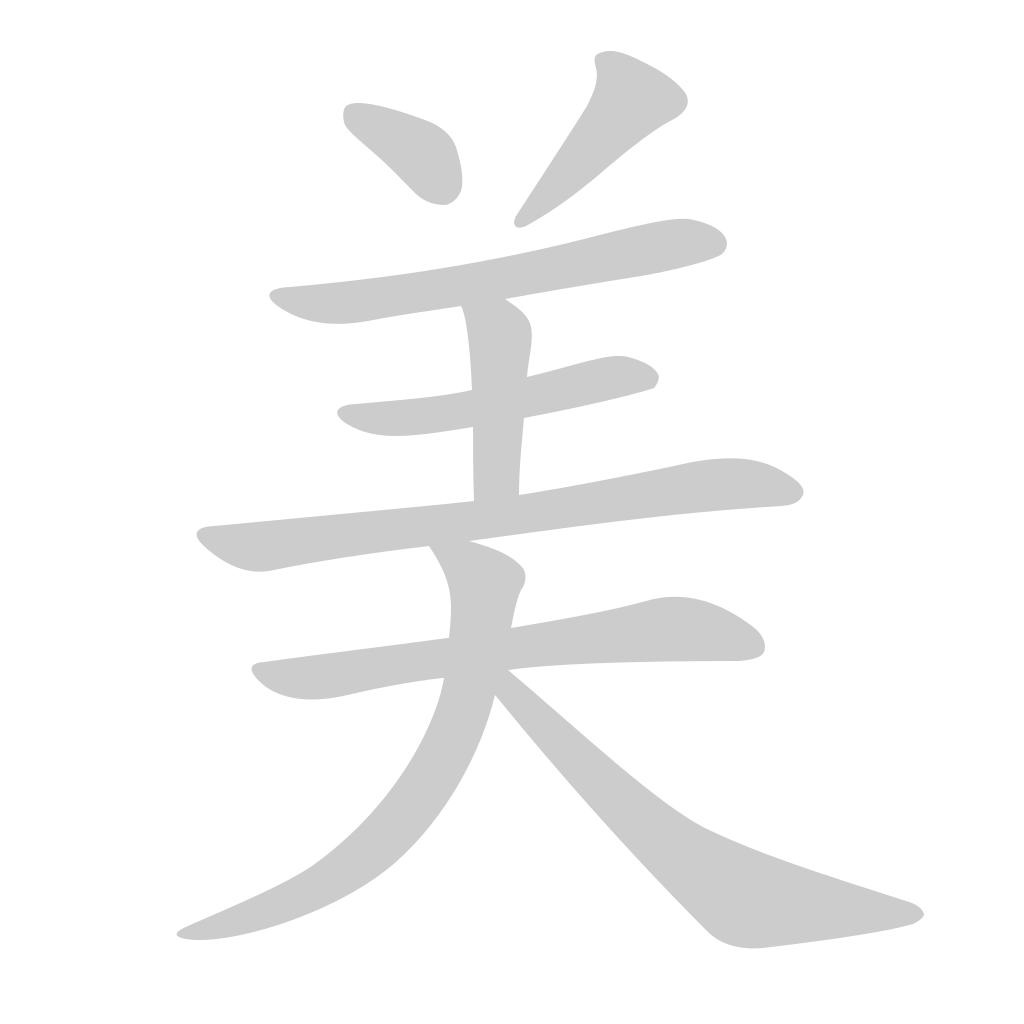
- ## 673 — 美 (beauty) — 9 strokes
- # Stroke Patterns in This Lesson
- # Sources
Lesson 46 — Characters 663–673: 句 旬 保 証 許 認 課 税 程 実 美 Companion file to Workbook
Quick Reference
| # | Kanji | Stroke Order | Strokes | Links |
|---|---|---|---|---|
| 663 | 句 | 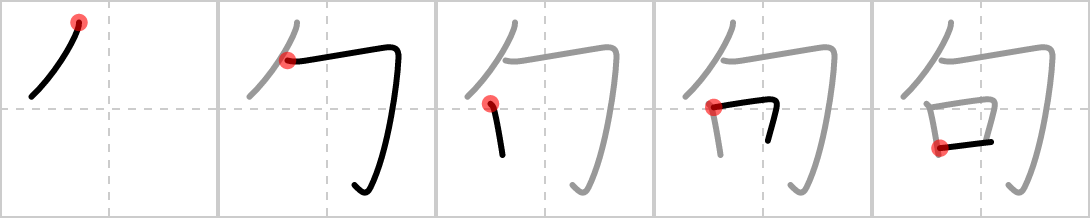 | 5 | Jisho · AnimCJK |
| 664 | 旬 |  | 6 | Jisho · AnimCJK |
| 665 | 保 |  | 9 | Jisho · AnimCJK |
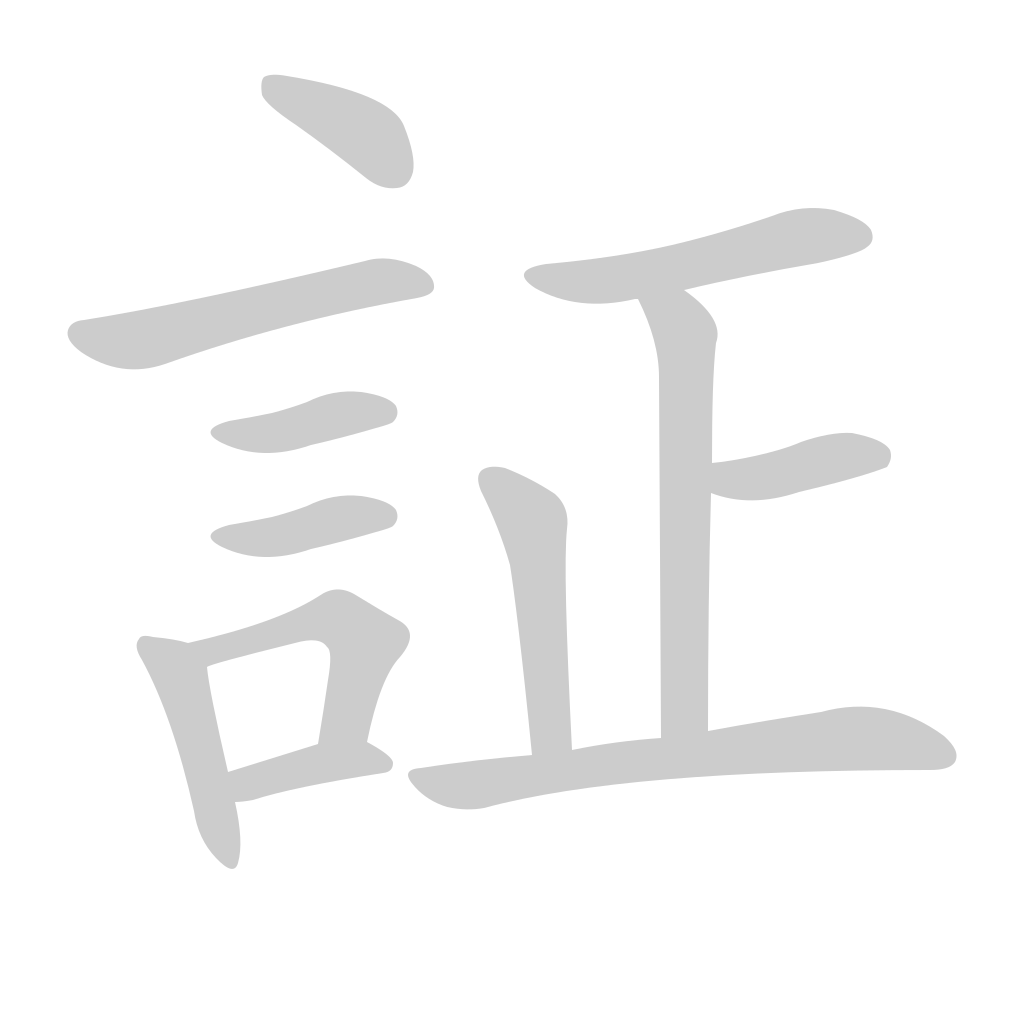
| 666 | 証 |  | 12 | Jisho · AnimCJK |
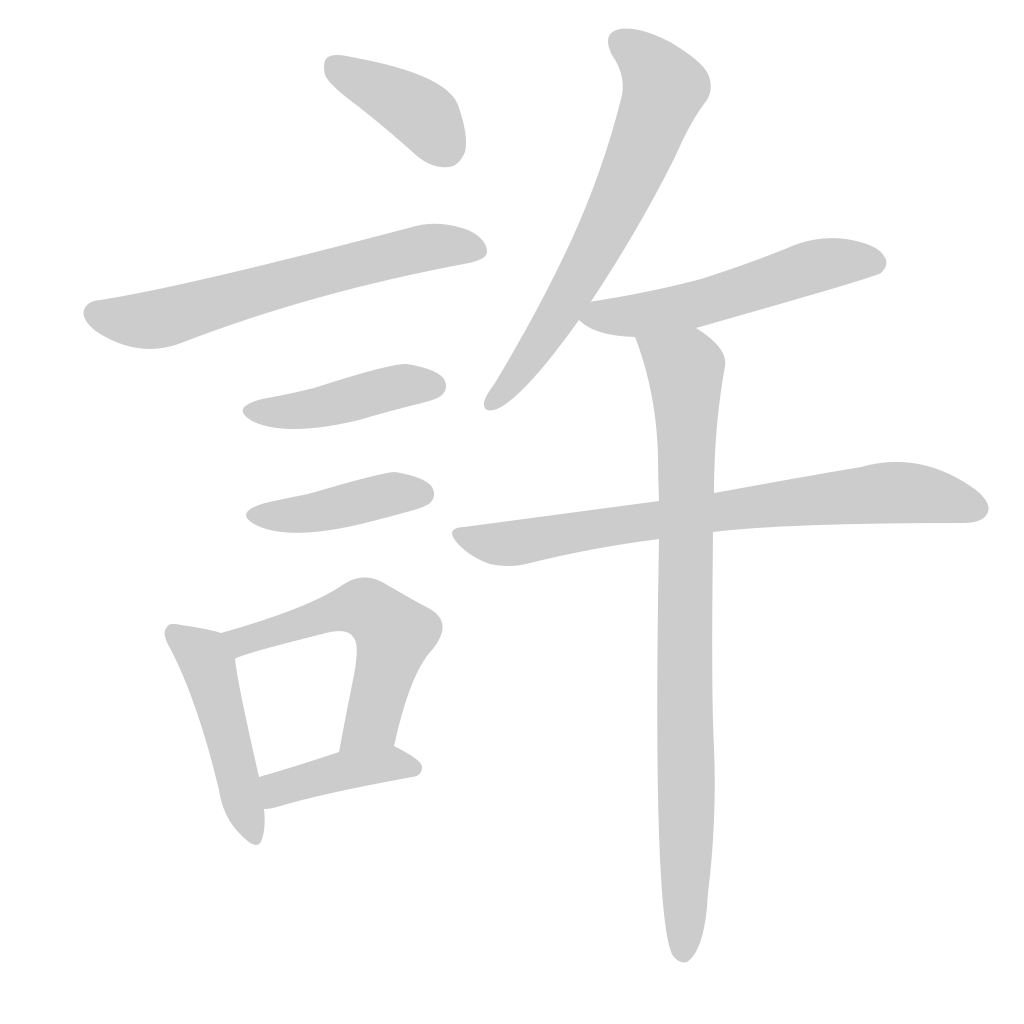
| 667 | 許 |  | 11 | Jisho · AnimCJK |
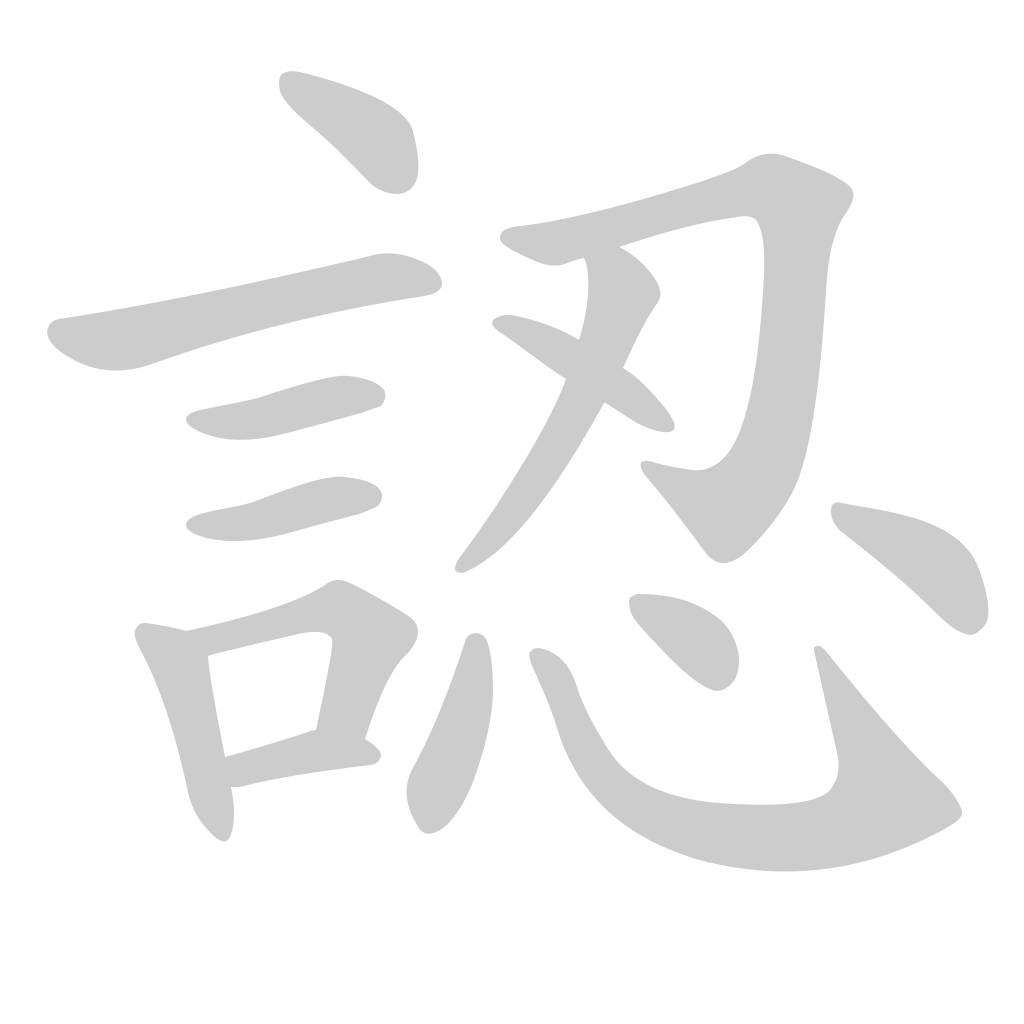
| 668 | 認 |  | 14 | Jisho · AnimCJK |
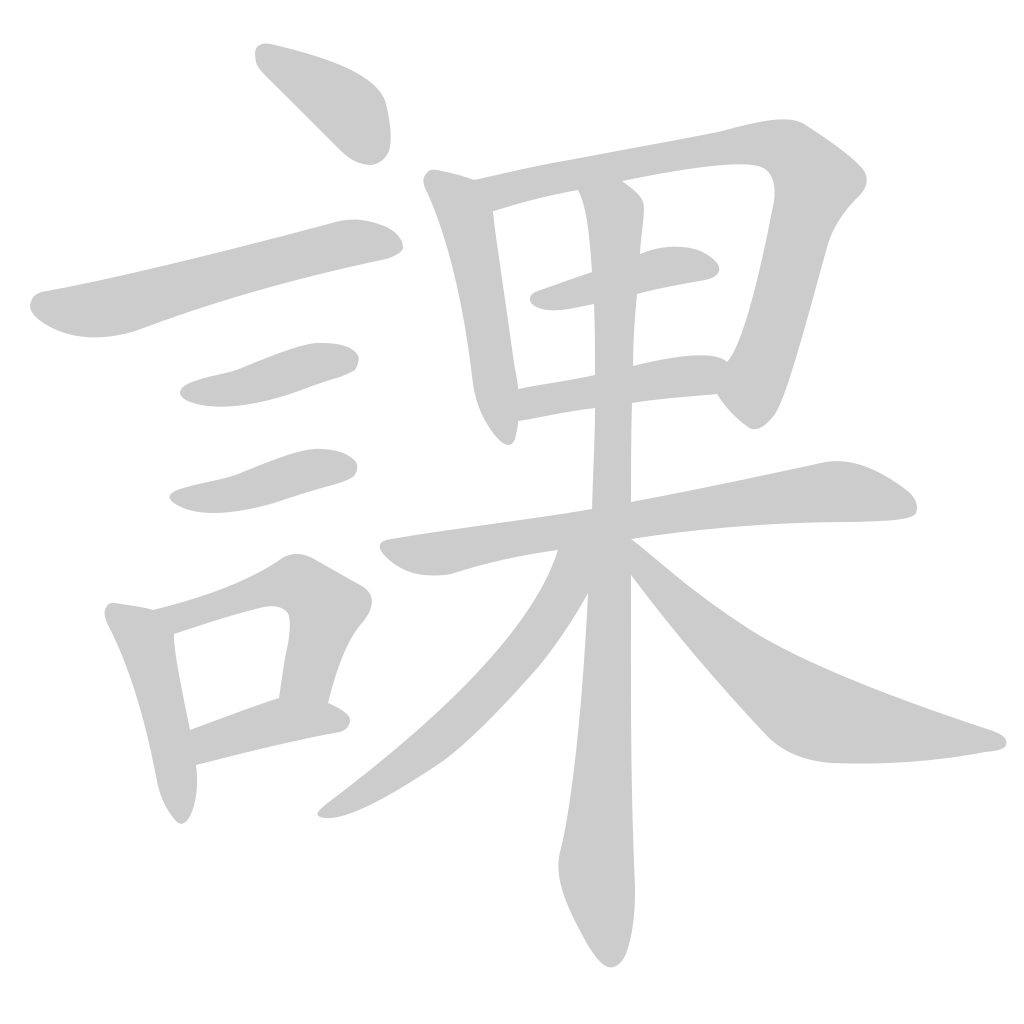
| 669 | 課 |  | 15 | Jisho · AnimCJK |
| 670 | 税 |  | 12 | Jisho · AnimCJK |
| 671 | 程 |  | 12 | Jisho · AnimCJK |
| 672 | 実 |  | 8 | Jisho · AnimCJK |
| 673 | 美 |  | 9 | Jisho · AnimCJK |
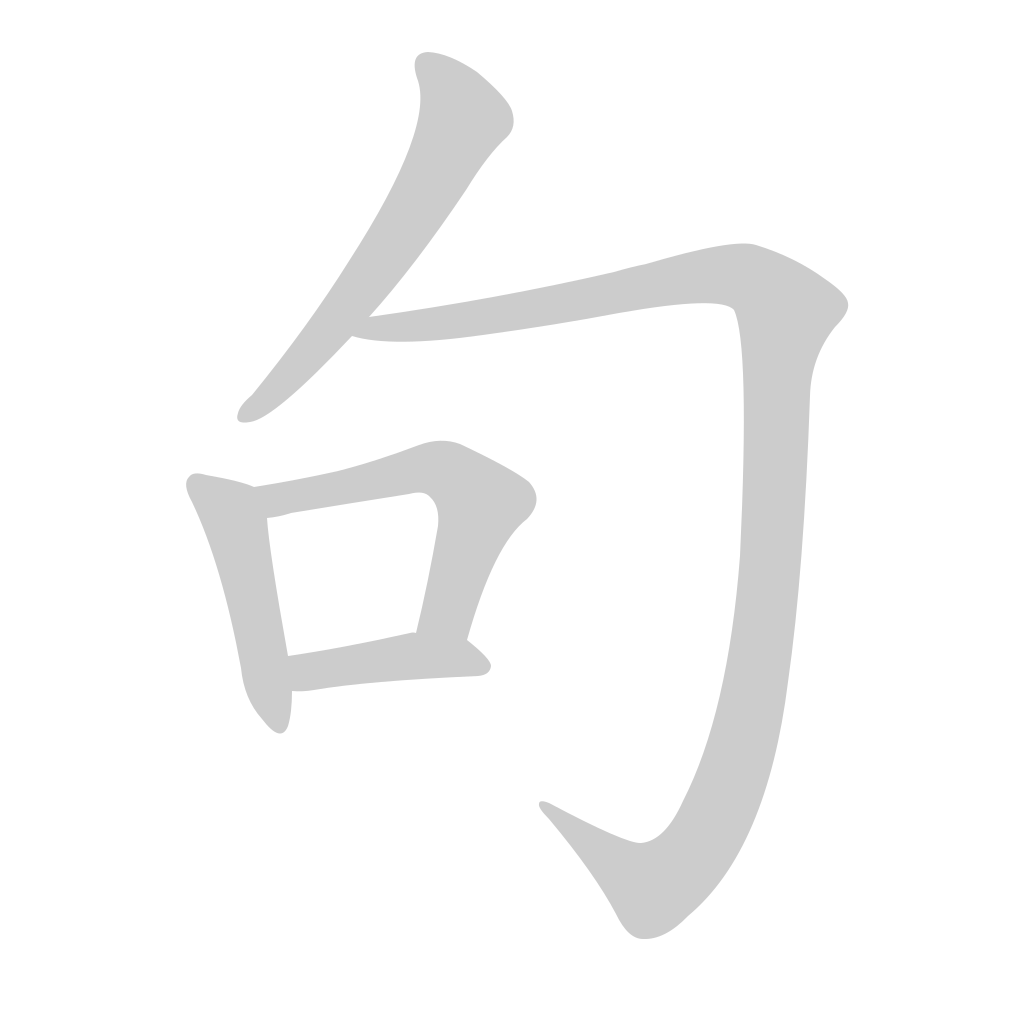
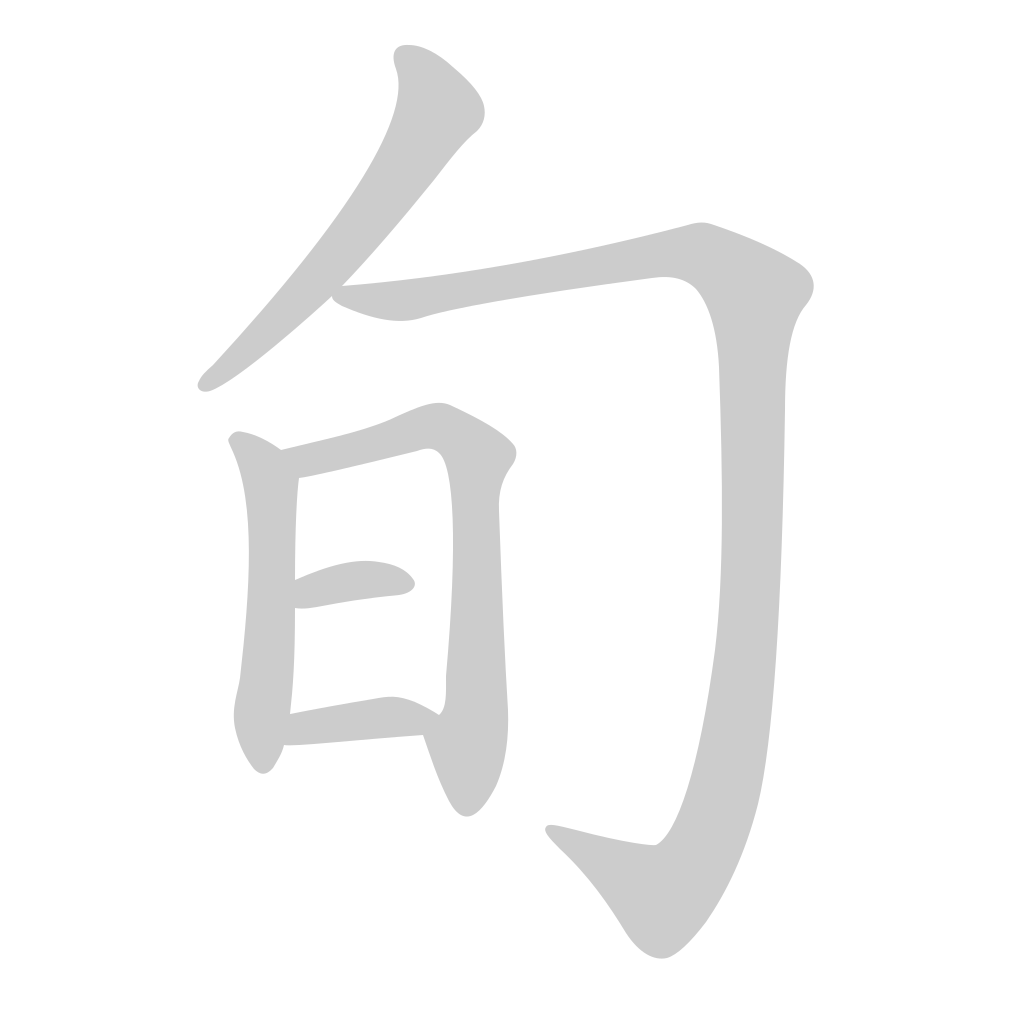
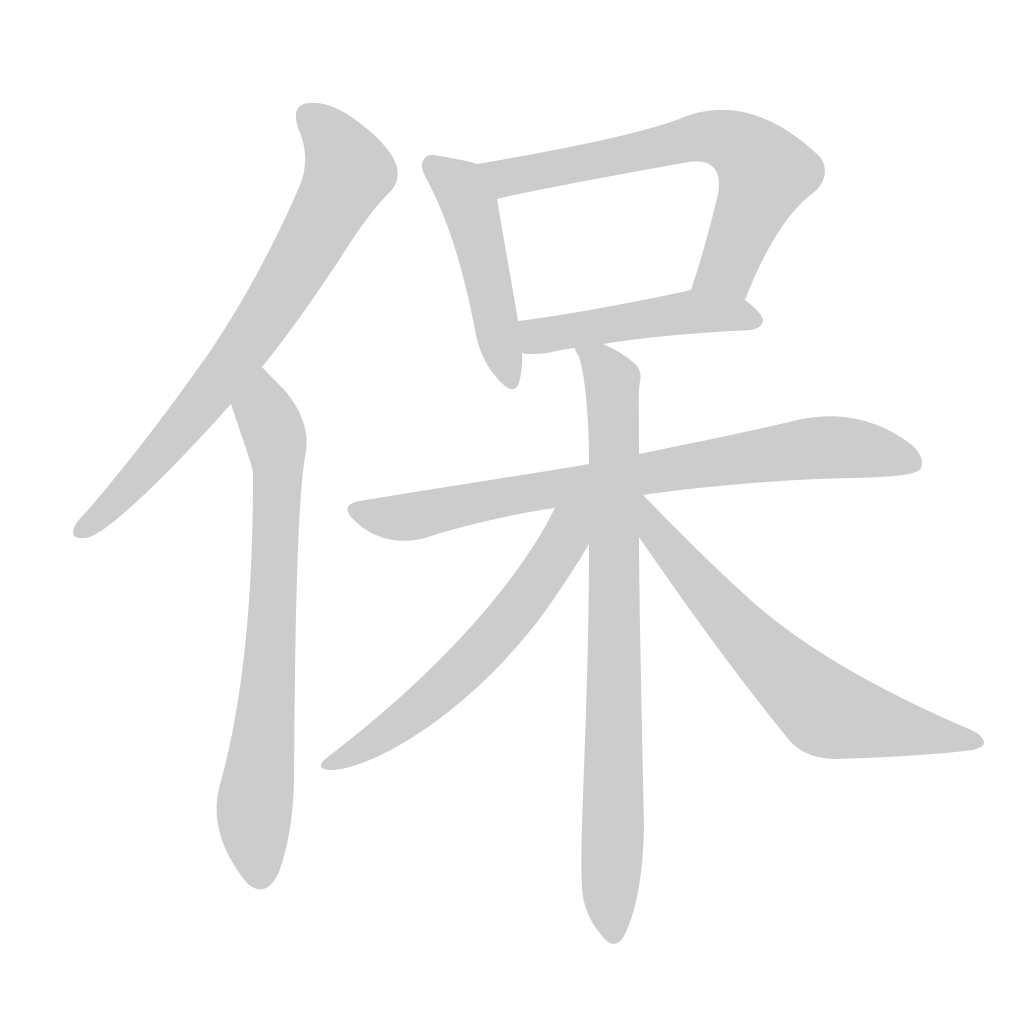
These PNGs are generated from KanjiVG using
kanjivg-to-png, so each image shows the character being built stroke by stroke in panels.
Per-Kanji Stroke Notes
663 — 句 (phrase) — 5 strokes
- Structure: 勹 (wrap) + 口 inside.
- Watch: First the top horizontal of 勹 with its sweeping right hook, then the inner 口 (3 strokes — left, top + right corner, bottom).
- Common error: Closing the 勹 wrapper before placing 口 inside — the wrapper's hook is one continuous stroke that goes around.
664 — 旬 (ten-day period) — 6 strokes
- Structure: 勹 (wrap) + 日 inside.
- Watch: Same 勹 wrapper as 句; the inside is 日 (4 strokes) instead of 口.
- Pair drill: Write 句 and 旬 side by side. The wrapper is identical; only the inside (口 vs 日) differs.
665 — 保 (preserve) — 9 strokes
- Structure: 亻 (2) on the left + 呆 (7) on the right (口 + 木).
- Watch: 亻 first. Then 呆: 口 on top (3 strokes), then 木 below (4 strokes — horizontal, vertical, then two slanting strokes).
- Common error: Treating 呆 as 木 only — there's a 口 above 木. (This 口 is the historical "wrapped infant".)
666 — 証 (proof) — 12 strokes
- Structure: 言 (7) + 正 (5).
- Watch: 言 first — top horizontal, then a wide horizontal, three short horizontals stacked, then 口 at the bottom. Then 正 to the right (5 strokes — like an L-shape stop).
- Common error: Miscounting 言 strokes — it's 7, not 6 or 8.
667 — 許 (permit) — 11 strokes
- Structure: 言 (7) + 午 (4).
- Watch: 言 first (same as in 証). Then 午: short slash, then a small 干-like cross (one horizontal, then a vertical that crosses through and continues with a final tail).
- Common error: Confusing 午 (4 strokes — slash + cross + tail) with 牛 (cow, 4 strokes but different proportion).
668 — 認 (recognize) — 14 strokes
- Structure: 言 (7) + 忍 (7 = 刃 + 心).
- Watch: 言 first. Then 忍: 刃 on top (a small angled stroke, then a vertical stroke that hooks left, with a single small dot), then 心 below (4 strokes).
- Common error: Mis-stroking 刃 — it's 3 strokes (slash + vertical-hook + dot), not 4.
669 — 課 (section / assignment) — 15 strokes
- Structure: 言 (7) + 果 (8).
- Watch: 言 first. Then 果: 田 on top (5 strokes), then 木 below (3 strokes — but here 木's vertical extends through the 田 above).
- Common error: Treating 果 as 田+大 — the bottom is 木, which has a long central vertical that connects up through the kanji.
670 — 税 (tax) — 12 strokes
- Structure: 禾 (5) + 兌 (7 = 八 + 兄-like).
- Watch: 禾 first — slanting top stroke, horizontal, vertical, then two slanting strokes at the bottom (similar to 木 but with the slanting top). Then 兌: 八 on top (2 strokes), 口 next (3 strokes), 儿 (a small 几 / legs) at the bottom (2 strokes).
- Common error: Confusing 禾 (grain) with 木 (tree) — 禾 has the slanting top stroke that 木 lacks.
671 — 程 (extent) — 12 strokes
- Structure: 禾 (5) + 呈 (7 = 口 + 王).
- Watch: 禾 first (same as in 税). Then 呈: 口 on top, then 王 (3 horizontals + a vertical = 4 strokes) below.
- Pair drill: 税 and 程 share 禾 entirely on the left. Drill them together — the right side completely determines reading and meaning.
672 — 実 (reality / fruit) — 8 strokes
- Structure: 宀 (3) on top + 三 + 大 (with a final long stroke).
- Watch: 宀 first (dot, then horizontal-with-hook). Inside: a short horizontal, a wider horizontal, then 大 below (3 strokes — horizontal, slash, sweep).
- Common error: Treating 実 as 宀+大 only — the inner middle horizontals are essential.
673 — 美 (beauty) — 9 strokes
- Structure: 羊 (top, 6 strokes — but slightly modified) + 大 (bottom, 3).
- Watch: Top half of 美 is 羊 with the bottom horizontal extended: dot, then short horizontal, then second short horizontal, then the long horizontal, then a vertical that crosses through, with the final lower horizontal extended. Then 大 below.
- Common error: Treating the top as 王 — there's an extra dot at the very top, making it 羊 (sheep), not 王 (king).
Stroke Patterns in This Lesson
The 言 cluster — 証 許 認 課
Four of eleven kanji share 言 on the left (7 strokes). Always: 言 first, then the right-side component. Master 言 in isolation — it appears in dozens of joyo kanji beyond this lesson.
| Kanji | Right side | Strokes (right) | Reading driver |
|---|---|---|---|
| 証 | 正 | 5 | 正【ショウ】 → 証【ショウ】 |
| 許 | 午 | 4 | (phonetic series broken in modern Japanese) |
| 認 | 忍 | 7 | 刃【ジン】 → 認【ニン】 (debated) |
| 課 | 果 | 8 | 果【カ】 → 課【カ】 |
The 禾 pair — 税 程
Both kanji are 禾 + a different right-side phonetic. 禾 always first (5 strokes — note the slanting top, distinguishing it from 木). The right side is a clean 形声 sound component in both cases.
The 勹 pair — 句 旬
Both kanji are the same wrapper 勹 with different inside content (口 vs 日). The wrapper is one continuous stroke (top + sweeping hook on the right) — written first, then the content goes inside.
The "speech-act trio" — 証 許 認
The first three of the 言 cluster form the formal-procedure trio: prove, permit, recognize. Drilling them together reinforces the semantic relationship while practicing the shared 言 left-side.
Sources
- KanjiVG — Stroke-order SVG source. CC-BY-SA 3.0. https://github.com/KanjiVG/kanjivg
- AnimCJK — Animated SVG (browser viewing). Arphic Public License. https://github.com/parsimonhi/animCJK
- Jisho — Reading and meaning verification. https://jisho.org
- Kakijun — Stroke-order reference. https://kakijun.jp