KIC Lesson 44 Stroke Order
Table of Contents
- # Quick Reference
-
# Per-Kanji Stroke Notes
- ## 641 — 徒 (follower / on foot) — 10 strokes
- ## 642 — 従 (follow / obey) — 10 strokes
- ## 643 — 得 (gain / obtain) — 11 strokes
- ## 644 — 徳 (virtue) — 14 strokes
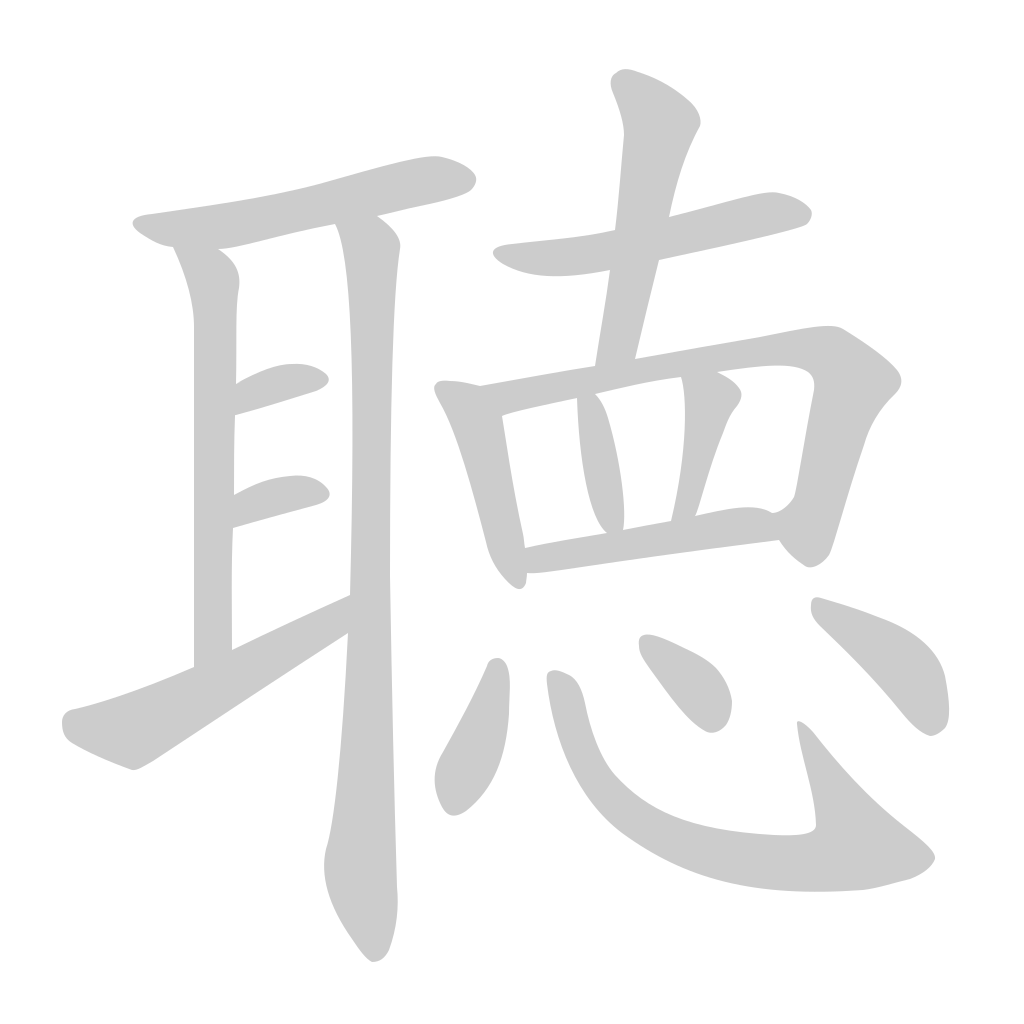
- ## 645 — 聴 (listen attentively) — 17 strokes
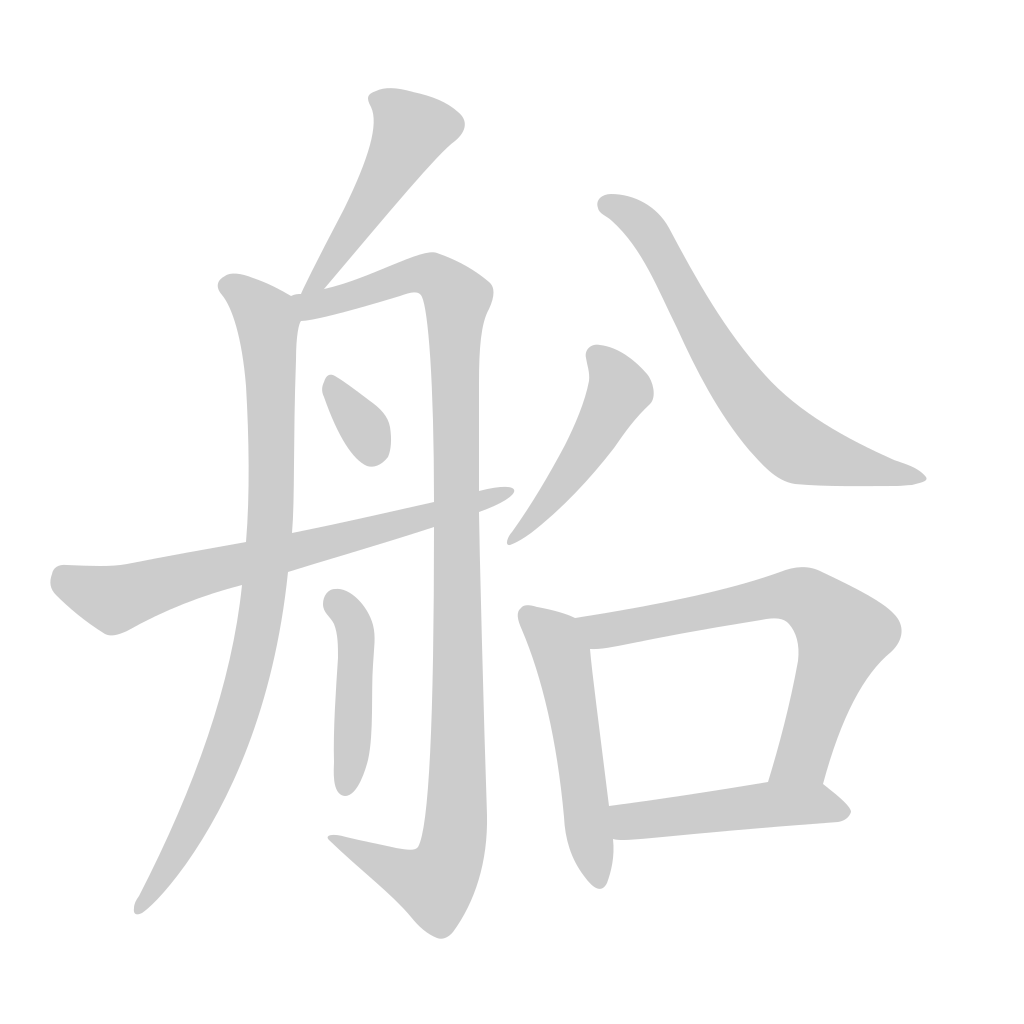
- ## 646 — 船 (ship) — 11 strokes
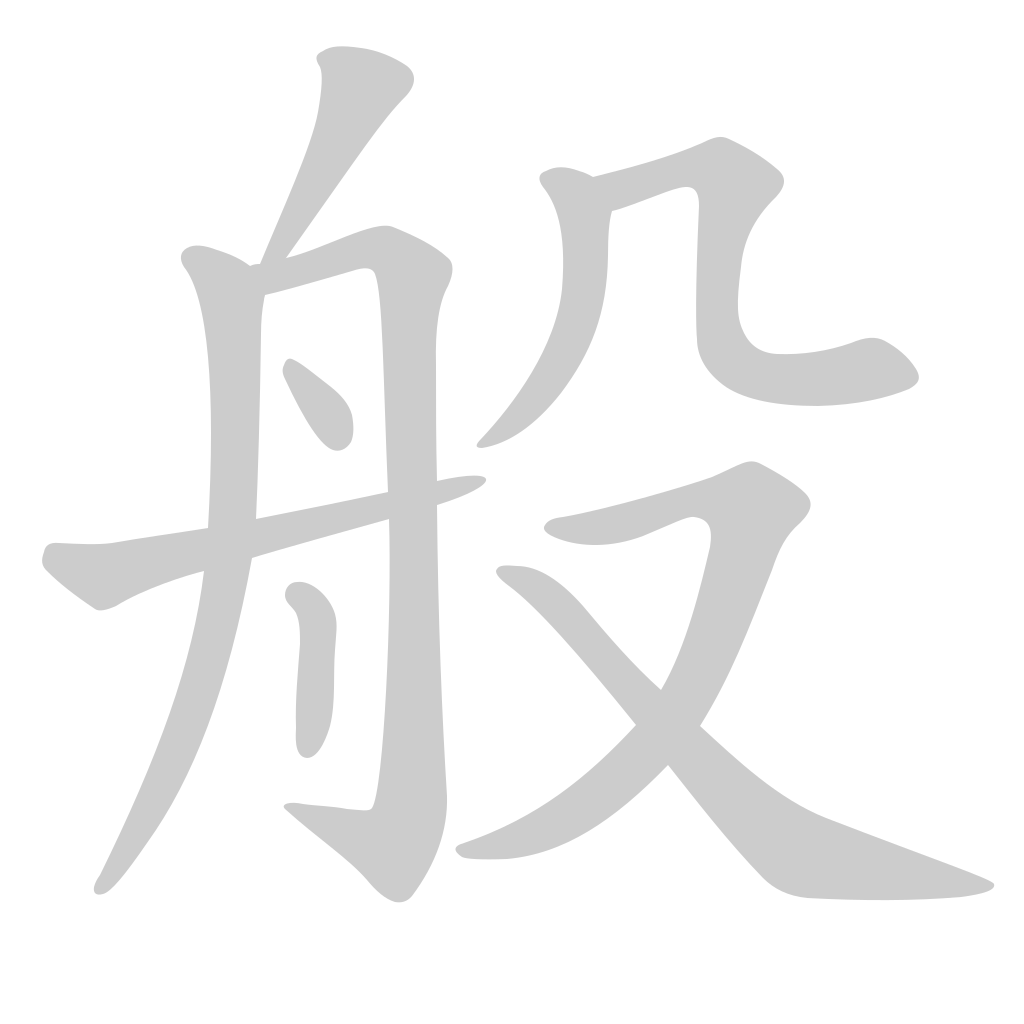
- ## 647 — 般 (sort, kind) — 10 strokes
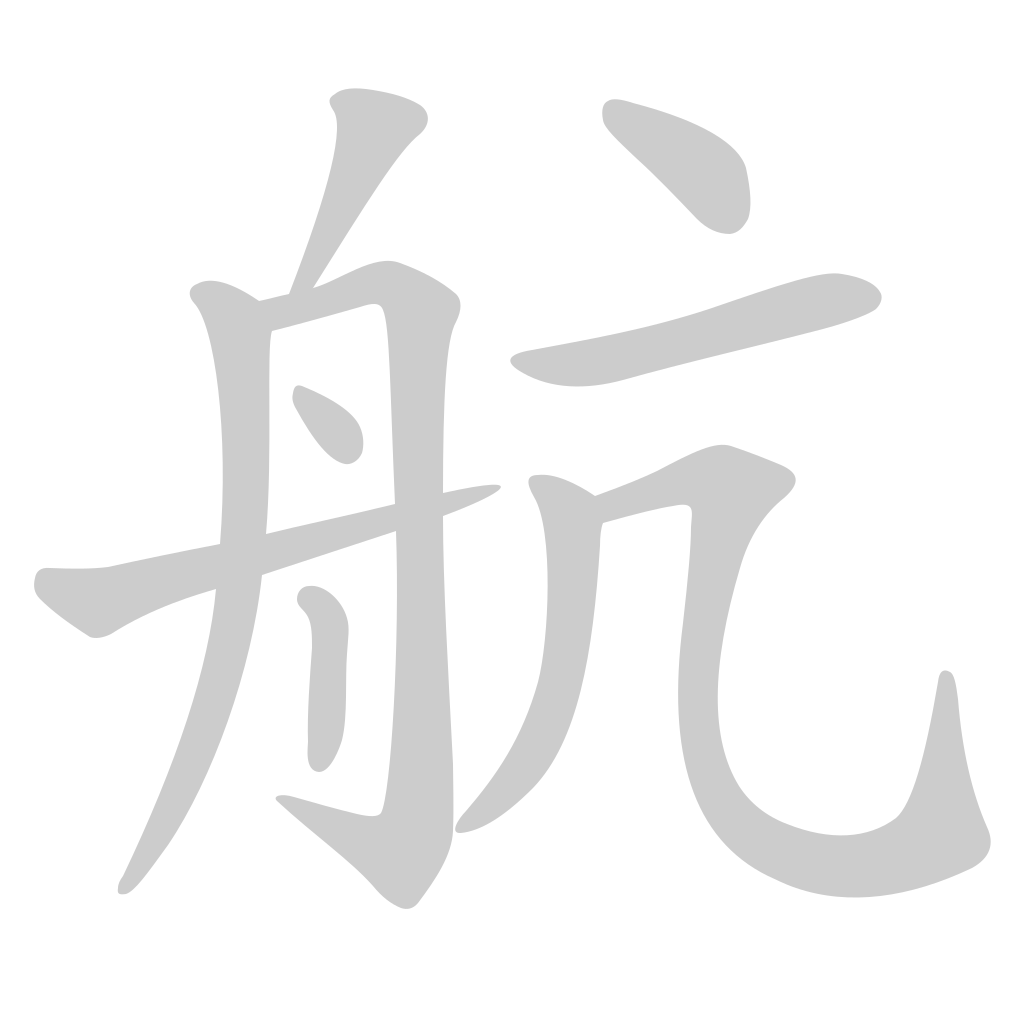
- ## 648 — 航 (navigate) — 10 strokes
- ## 649 — 億 (hundred million) — 15 strokes
- ## 650 — 憶 (memory) — 16 strokes
- ## 651 — 漫 (loose, aimless) — 14 strokes
- ## 652 — 巡 (patrol, go around) — 6 strokes
- # Stroke Patterns in This Lesson
- # Sources
Lesson 44 — Characters 641–652: 徒 従 得 徳 聴 船 般 航 億 憶 漫 巡 Companion file to Workbook
Quick Reference
| # | Kanji | Stroke Order | Strokes | Links |
|---|---|---|---|---|
| 641 | 徒 |  | 10 | Jisho · AnimCJK |
| 642 | 従 |  | 10 | Jisho · AnimCJK |
| 643 | 得 |  | 11 | Jisho · AnimCJK |
| 644 | 徳 |  | 14 | Jisho · AnimCJK |
| 645 | 聴 |  | 17 | Jisho · AnimCJK |
| 646 | 船 |  | 11 | Jisho · AnimCJK |
| 647 | 般 |  | 10 | Jisho · AnimCJK |
| 648 | 航 |  | 10 | Jisho · AnimCJK |
| 649 | 億 |  | 15 | Jisho · AnimCJK |
| 650 | 憶 |  | 16 | Jisho · AnimCJK |
| 651 | 漫 |  | 14 | Jisho · AnimCJK |
| 652 | 巡 |  | 6 | Jisho · AnimCJK |
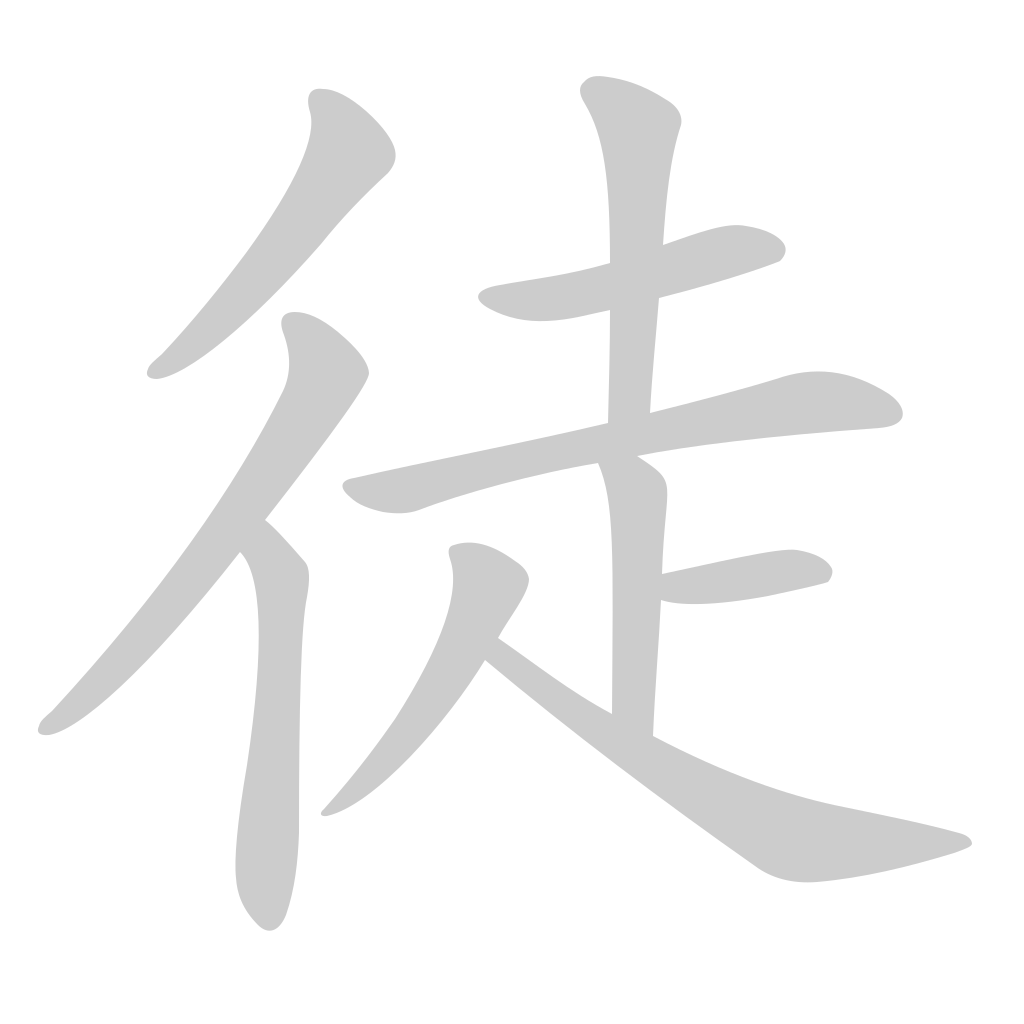
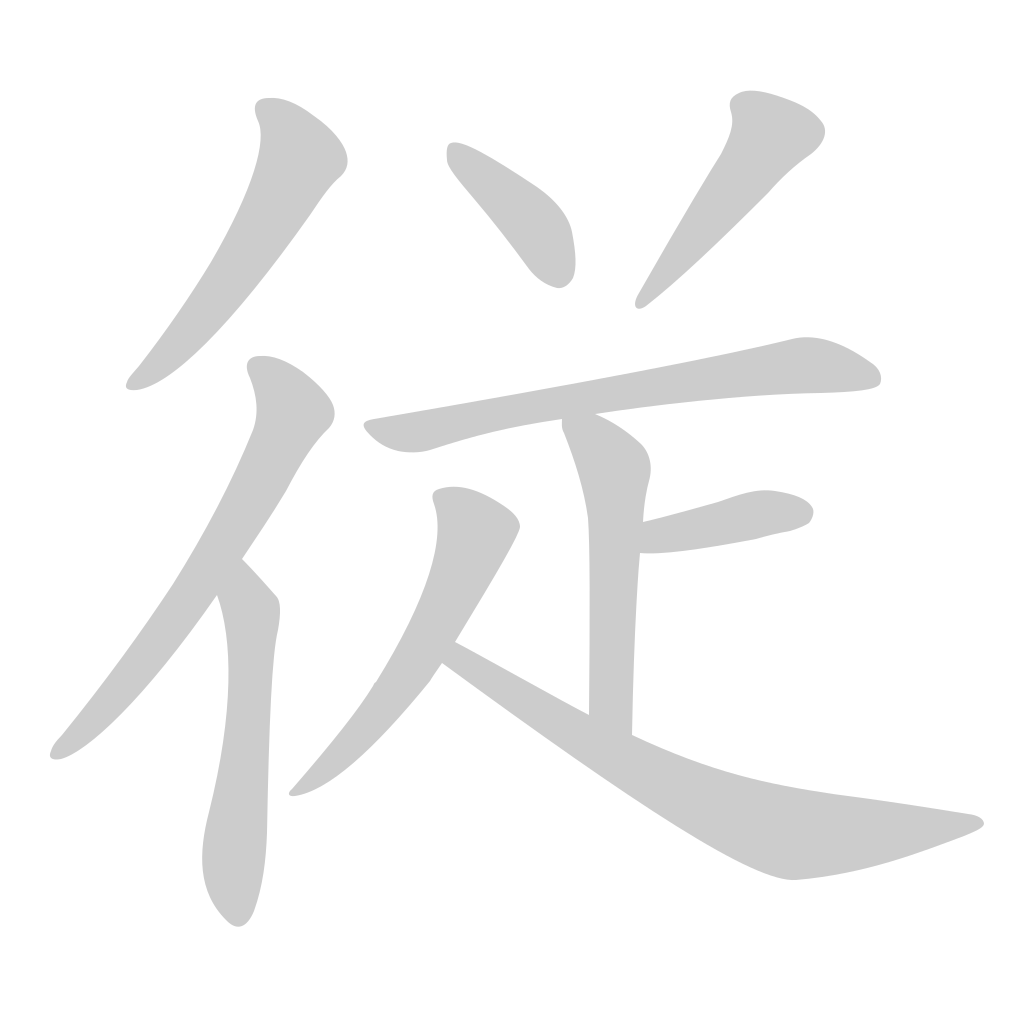
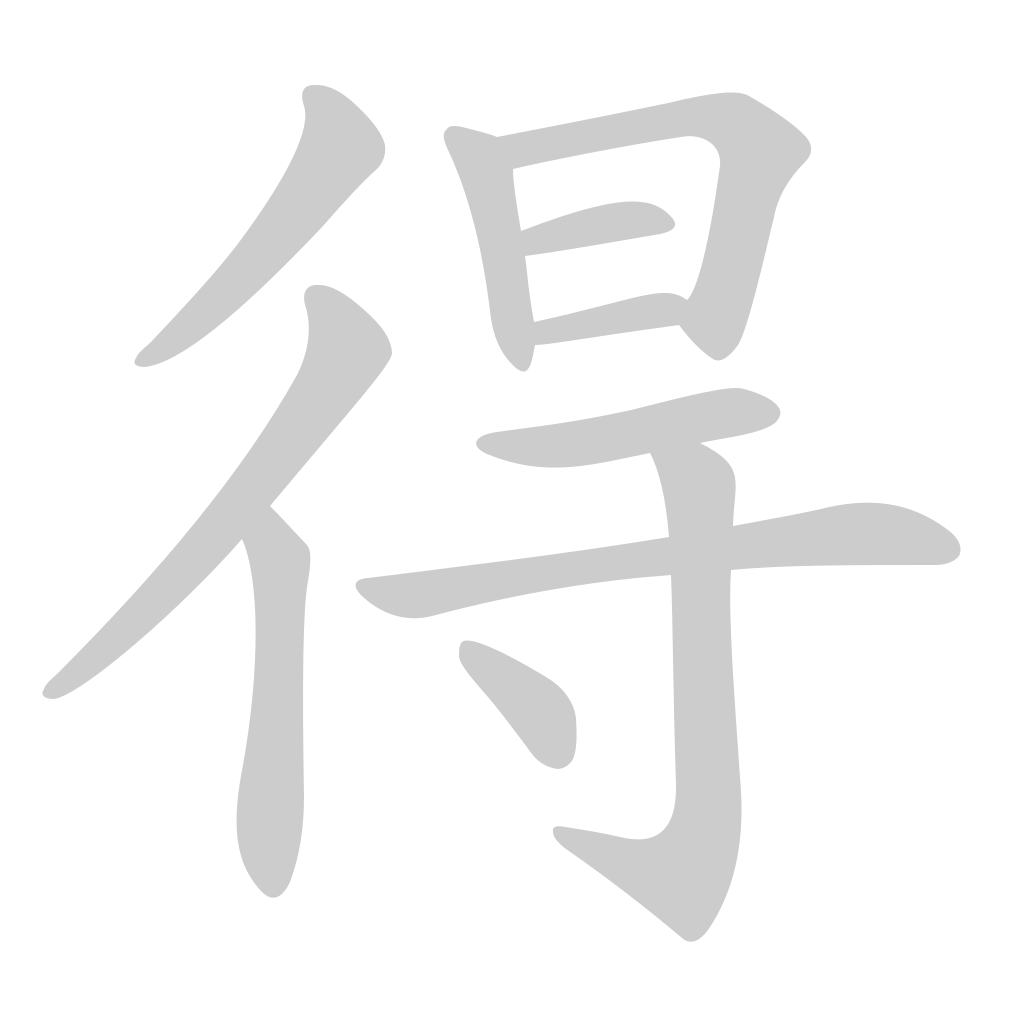
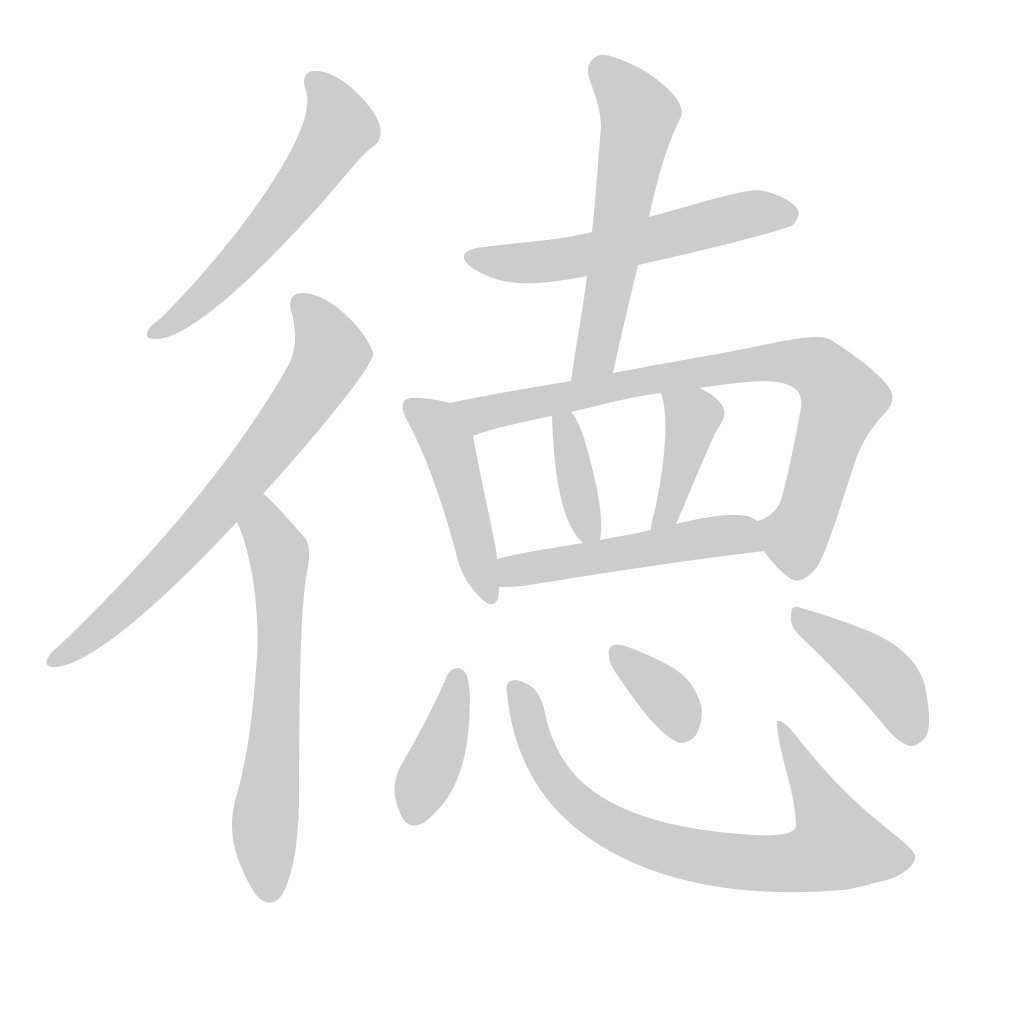

These PNGs are generated from KanjiVG using
kanjivg-to-png, so each image shows the character being built stroke by stroke in panels.
Per-Kanji Stroke Notes
641 — 徒 (follower / on foot) — 10 strokes
- Structure: 彳 (3 strokes) on the left, then 土 + 龰/止 stacked on the right.
- Watch: 彳 always goes first (top-down: short slash, second slash, vertical). Then the right side starts with 土 (cross, vertical, base) before the lower 止-like component.
- Common error: Treating the right-bottom as a generic "person on legs" — it's a foot/止 motif, not 人.
642 — 従 (follow / obey) — 10 strokes
- Structure: 彳 on the left, 从 (two people) at top right, foot 龰 at bottom right.
- Watch: After 彳, write 从 as two小-like strokes (left person, then right), then complete the foot. Easy to lose stroke count if you draw 从 as four strokes — it's two pairs (2 + 2 strokes).
- Common error: Mixing 従 with 徒 — the right side is the giveaway: 从 (people) for 従, 土 for 徒.
643 — 得 (gain / obtain) — 11 strokes
- Structure: 彳 + 旦 (top right) + 寸 (bottom right).
- Watch: 寸 is the hand. Write the horizontal stroke of 寸 connecting cleanly to 旦 above; the dot of 寸 comes last.
- Common error: Drawing 旦 as 日 — 旦 has a single base line below 日, distinguishing "morning" / "shell-shape" from "sun".
644 — 徳 (virtue) — 14 strokes
- Structure: 彳 + 直 (10 strokes worth: 十 + 目 + horizontal base) + 心 (4 strokes) at the very bottom.
- Watch: 直 is the densest sub-component. Top-to-bottom: 十, then 目's frame and inner strokes, then the long bottom horizontal. Then 心 in 4 strokes (left dot, hook, two dots).
- Common error: Stopping at 直 without the 心 underneath — 徳 always ends with the heart.
645 — 聴 (listen attentively) — 17 strokes
- Structure: 耳 (6) on the left + 𢛳 (= 直 truncated + 心) on the right.
- Watch: 耳 is left-side ear: vertical, top horizontal, two inner horizontals, bottom long horizontal that extends right, then the inside vertical. Then the right side mirrors 徳's right-side construction (without the彳).
- Common error: This is the highest-stroke kanji in the lesson — pace yourself. Confusion with 聞 (gate + ear) is common; 聴 has 耳 plus the directed-mind apparatus.
646 — 船 (ship) — 11 strokes
- Structure: 舟 (boat radical, 6 strokes) + 㕣 (= 八 over 口, 5 strokes).
- Watch: 舟 has a tricky stroke order — the slanting top, then a kind of curved cradle, then two short cross-strokes. Practice 舟 alone first.
- Common error: Treating the right side as "公" or "口 only" — it's specifically 八 stacked over 口.
647 — 般 (sort, kind) — 10 strokes
- Structure: 舟 (left) + 殳 (long-handled tool: 几-like top + 又 below).
- Watch: 舟 first (same as in 船), then 殳 — top component is two strokes, bottom is 又 (3 strokes).
- Common error: 般 vs 船 — both have 舟. The right side differs: 殳 (tool) for 般, 㕣 (mouth-and-eight) for 船.
648 — 航 (navigate) — 10 strokes
- Structure: 舟 (left) + 亢 (right: 亠 + 几).
- Watch: 亢 is just two top strokes (亠) and a 几-shape — the simplest right-side in the 舟 trio.
- Common error: Confusing 亢 with 几 alone — 亢 has the 亠 cap on top.
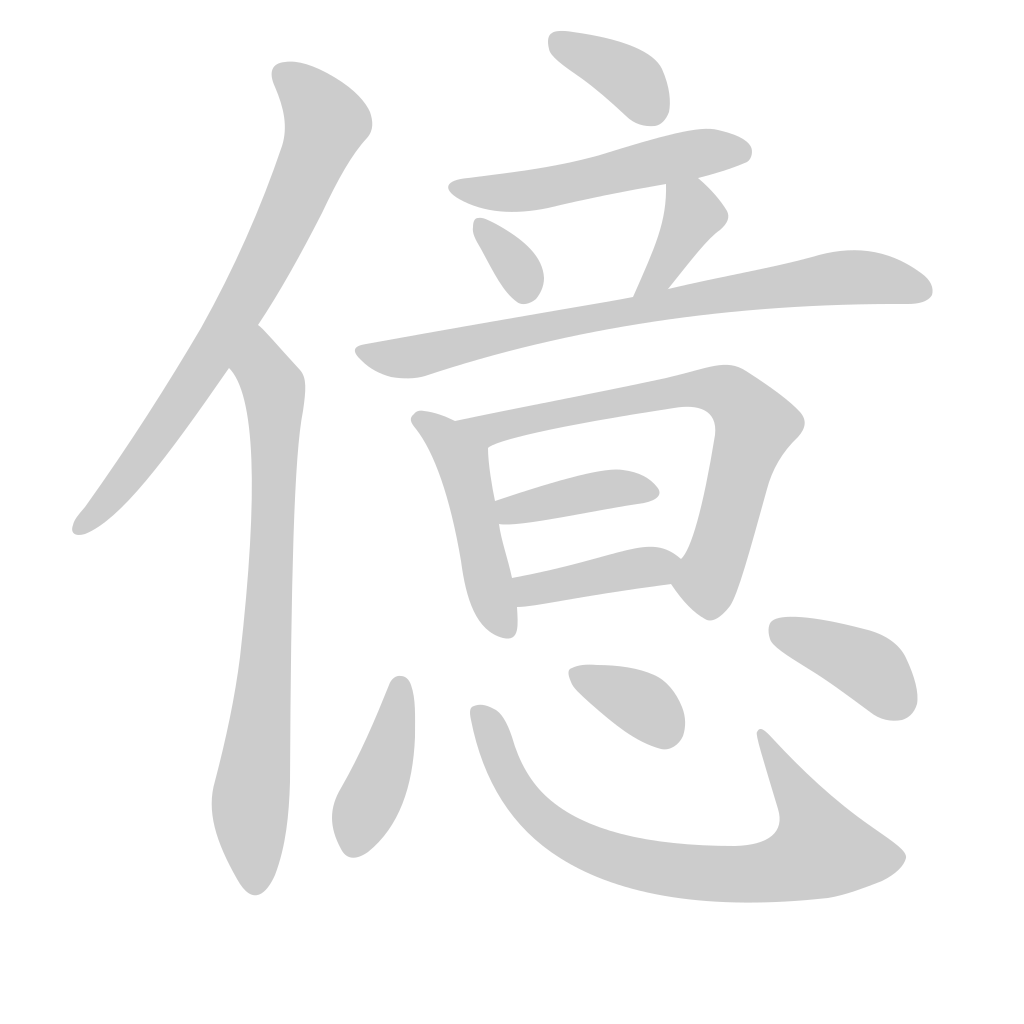
649 — 億 (hundred million) — 15 strokes
- Structure: 亻 (person, 2) on the left + 意 (sound = 音 + 心, 13) on the right.
- Watch: 亻 first — short slash, then vertical. Then 意: top is 音 (立 + 日, 9 strokes), bottom is 心 (4 strokes).
- Common error: Skipping the 立 cap of 音 and writing 日心 directly — 意 always has the full 立 / 音 stack.
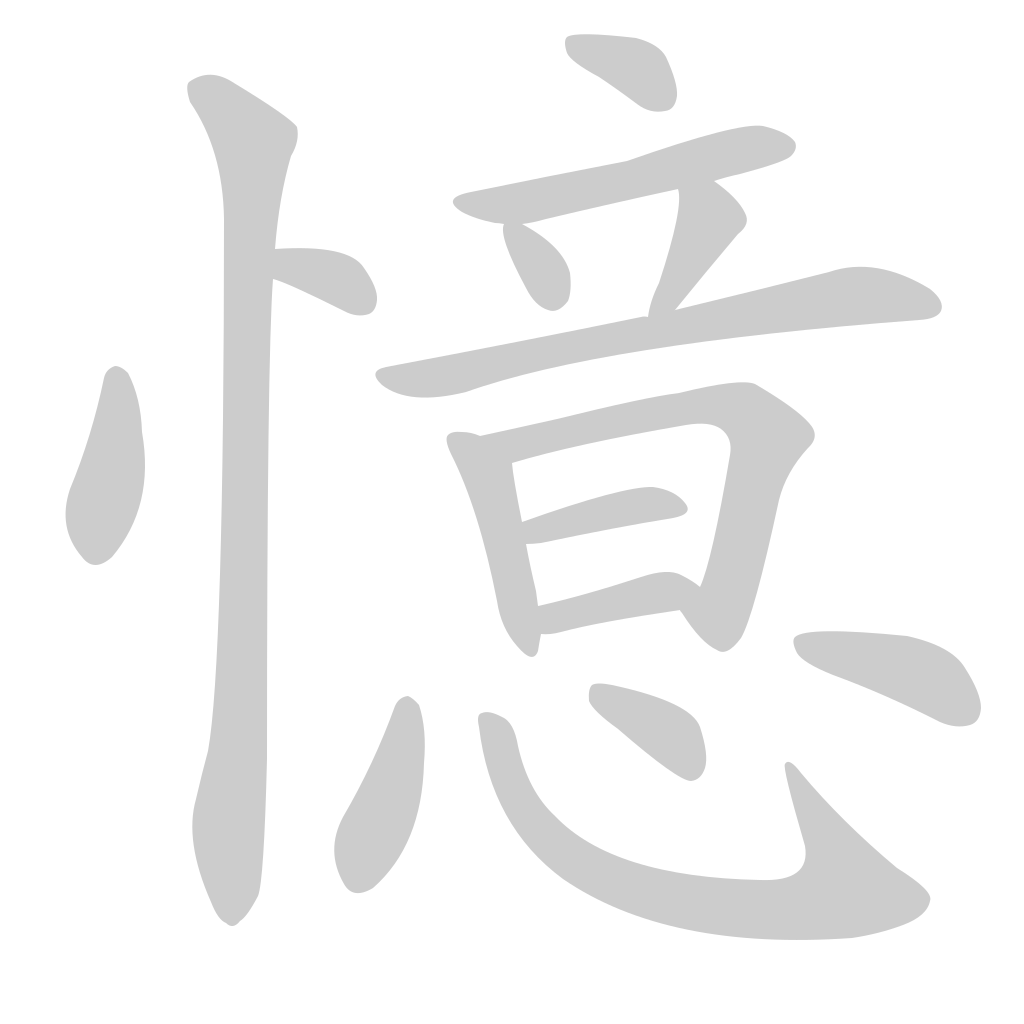
650 — 憶 (memory) — 16 strokes
- Structure: 忄 (heart vertical, 3) + 意 (13).
- Watch: 忄 first — left dot, right dot, then long vertical. Then 意 just like in 億.
- Pair drill: Write 億 and 憶 side by side. Same right side; only the left radical changes (亻 → 忄).
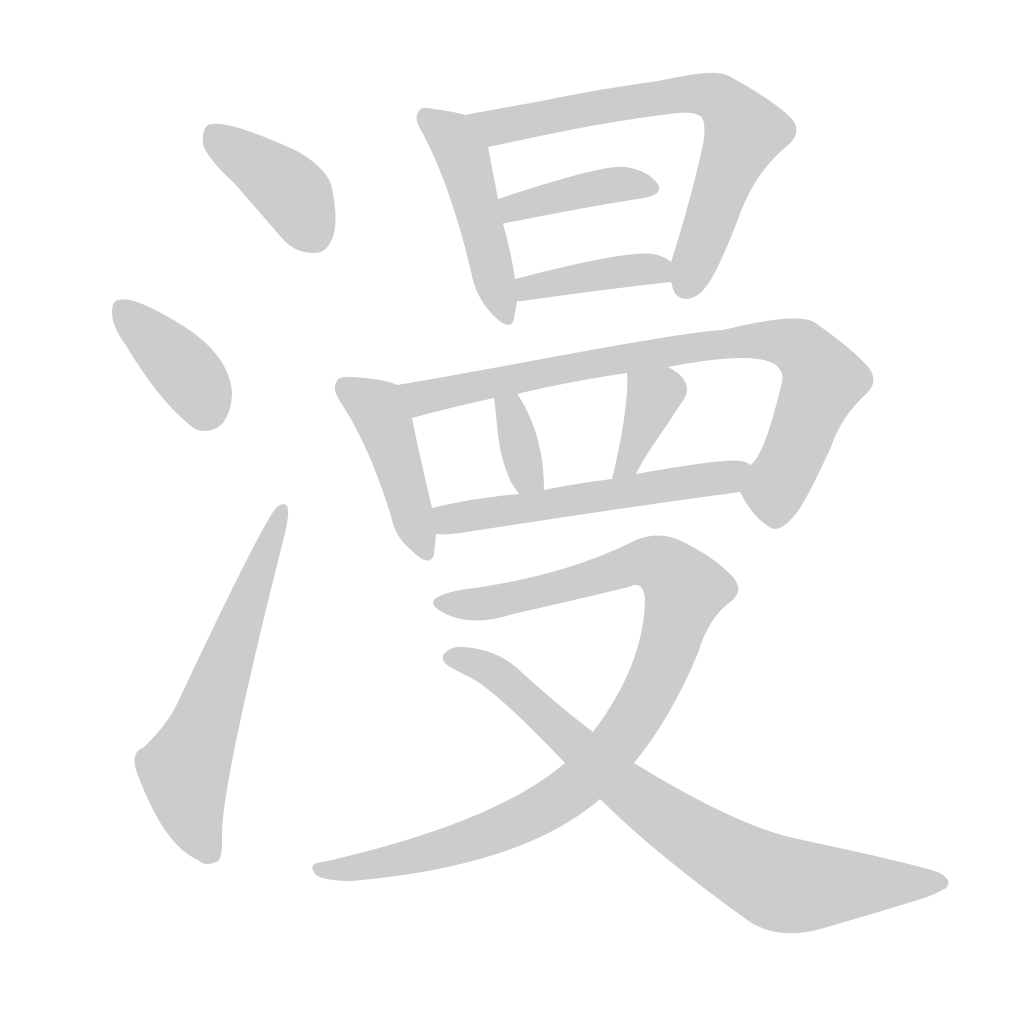
651 — 漫 (loose, aimless) — 14 strokes
- Structure: 氵 (water, 3) + 曼 (sound = 日 + 罒-like + 又, 11).
- Watch: 氵 first (three dots), then 曼 top-down: 日, then the broad 罒 frame, then 又 at the bottom.
- Common error: Writing the 罒 part as 四 — 罒 has flat top, no inner bottom hook.
652 — 巡 (patrol, go around) — 6 strokes
- Structure: 巛 (= 川, three flowing strokes) inside 辶 (advance radical).
- Watch: Write 巛 first (three short downward strokes, left → middle → right), then the 辶 wraps around — the dot at top, then the body of 辶 swooping in last.
- Common error: Writing 辶 first; 辶 always comes last in any にょう-radical kanji.
Stroke Patterns in This Lesson
The 彳 cluster — 徒 従 得 徳
Four of twelve kanji begin with 彳 (3 strokes: short slash, longer slash, vertical). Always: 彳 first, then everything else. The right side completely determines the meaning:
| Kanji | Right side | Meaning lever |
|---|---|---|
| 徒 | 土 + 龰 | going-on-foot |
| 従 | 从 + 龰 | following people |
| 得 | 旦 + 寸 | grasping-by-hand |
| 徳 | 直 + 心 | upright-heart |
The 舟 cluster — 船 般 航
Three of twelve. 舟 always goes first on the left (6 strokes; practice this radical alone). Right sides:
| Kanji | Right side | Meaning lever |
|---|---|---|
| 船 | 㕣 (八+口) | the boat itself |
| 般 | 殳 (tool) | turning / kind |
| 航 | 亢 (raised) | navigation |
The 意 pair — 億 憶
Same right side (意, 13 strokes), different radical. Drill them together. The order on the right is identical, so the practice transfers cleanly.
The にょう trap — 巡
巡 is the only にょう-radical kanji in this lesson. Remember: 巛 (the inside) is written first, then 辶 wraps around it last. This pattern recurs throughout the joyo set (進, 道, 通, 連, etc.).
Sources
- KanjiVG — Stroke-order SVG source. CC-BY-SA 3.0. https://github.com/KanjiVG/kanjivg
- AnimCJK — Animated SVG (browser viewing). Arphic Public License. https://github.com/parsimonhi/animCJK
- Jisho — Reading and meaning verification. https://jisho.org
- Kakijun — Stroke-order reference. https://kakijun.jp