KIC Lesson 20 Stroke Order
Table of Contents
- # Quick Reference
-
# Per-Kanji Stroke Notes
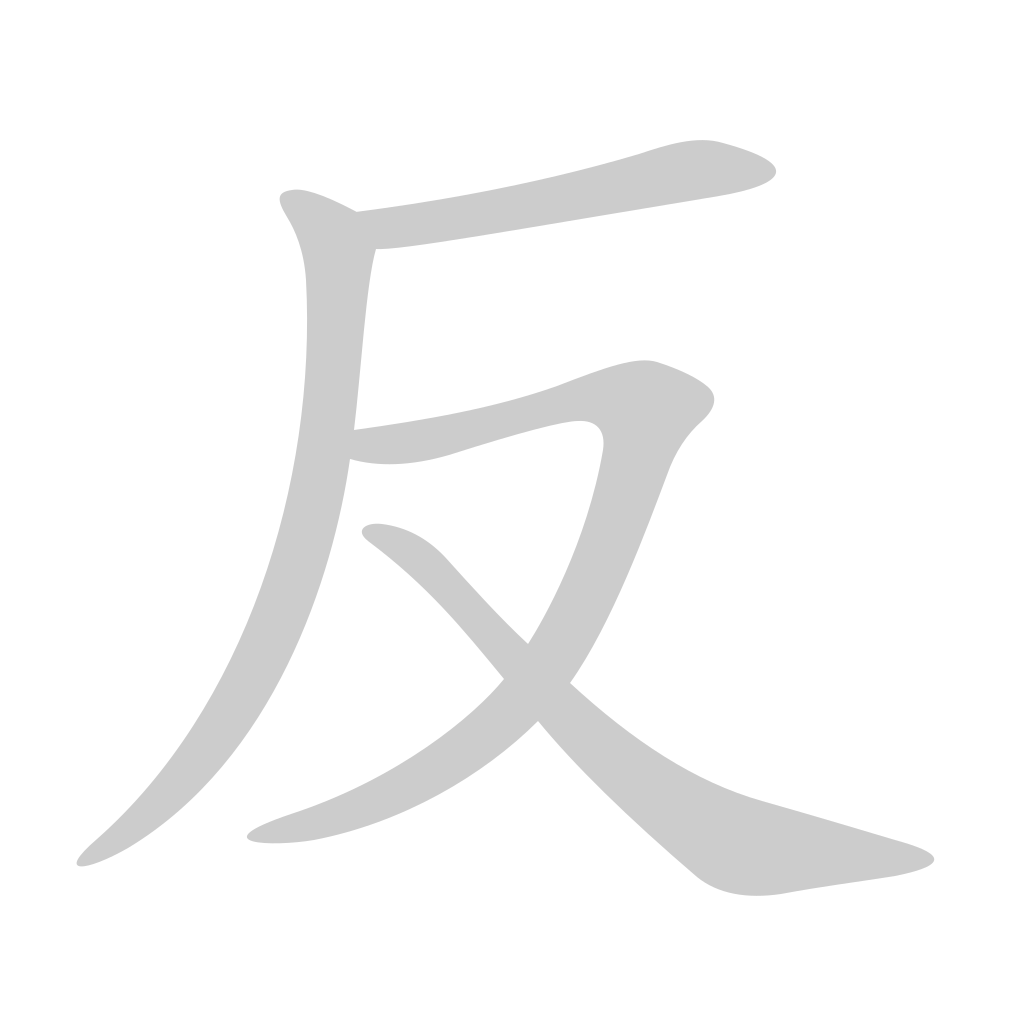
- ## 362 — 反 (opposite / reverse) — 4 strokes
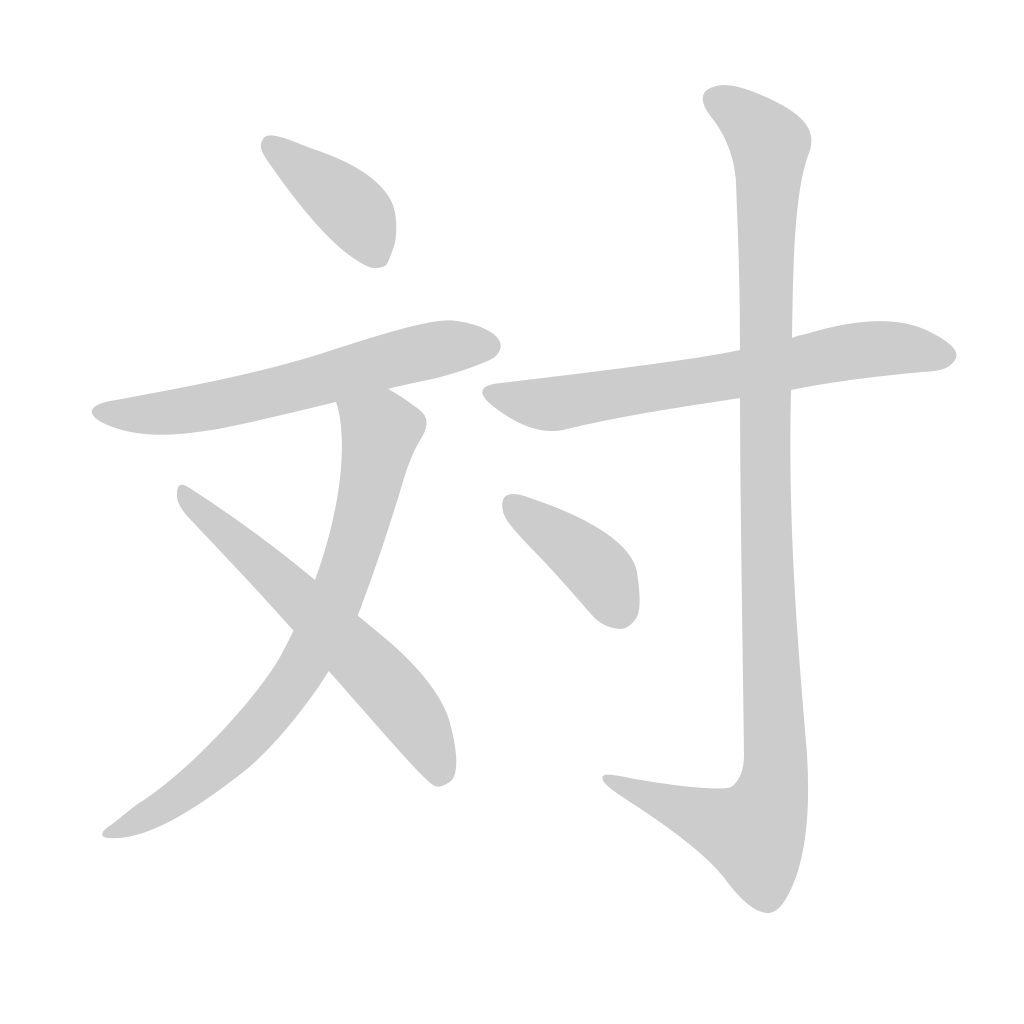
- ## 363 — 対 (opposite / pair) — 7 strokes
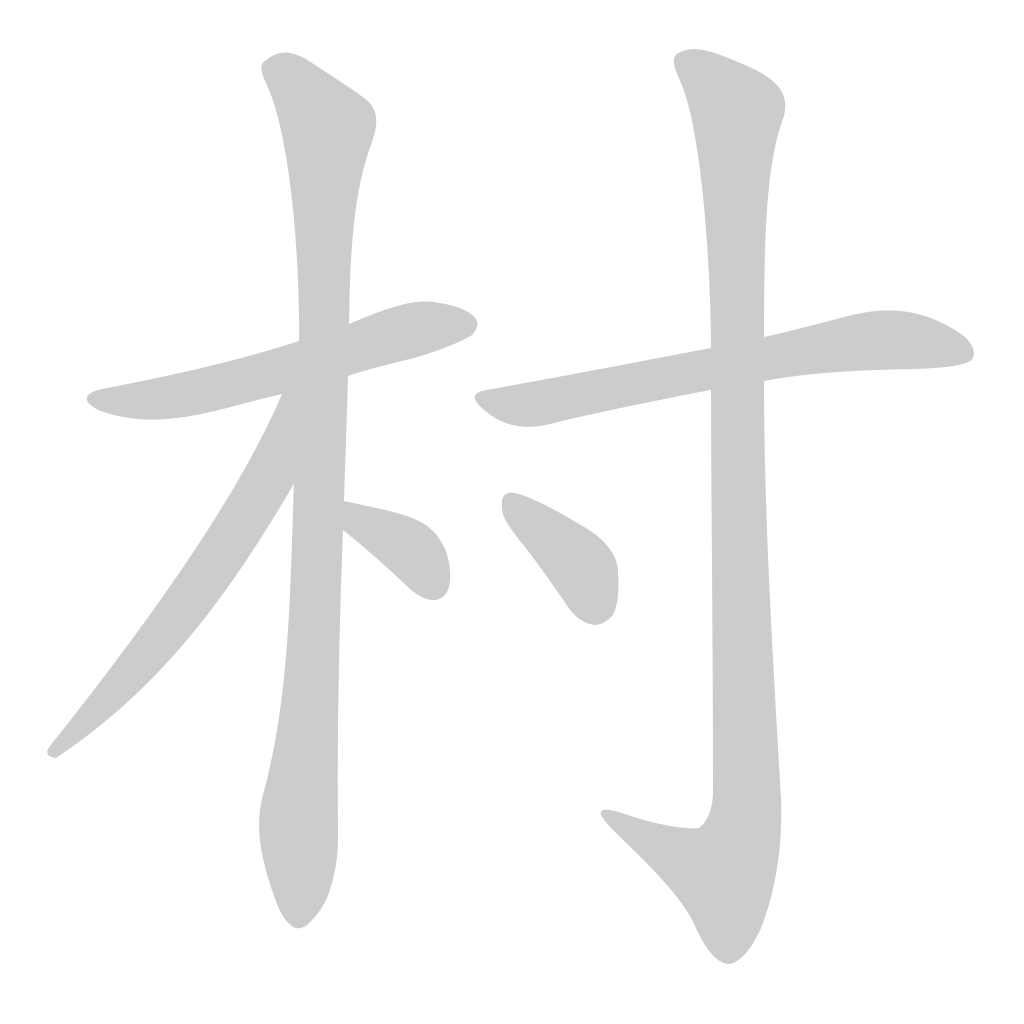
- ## 364 — 村 (village) — 7 strokes
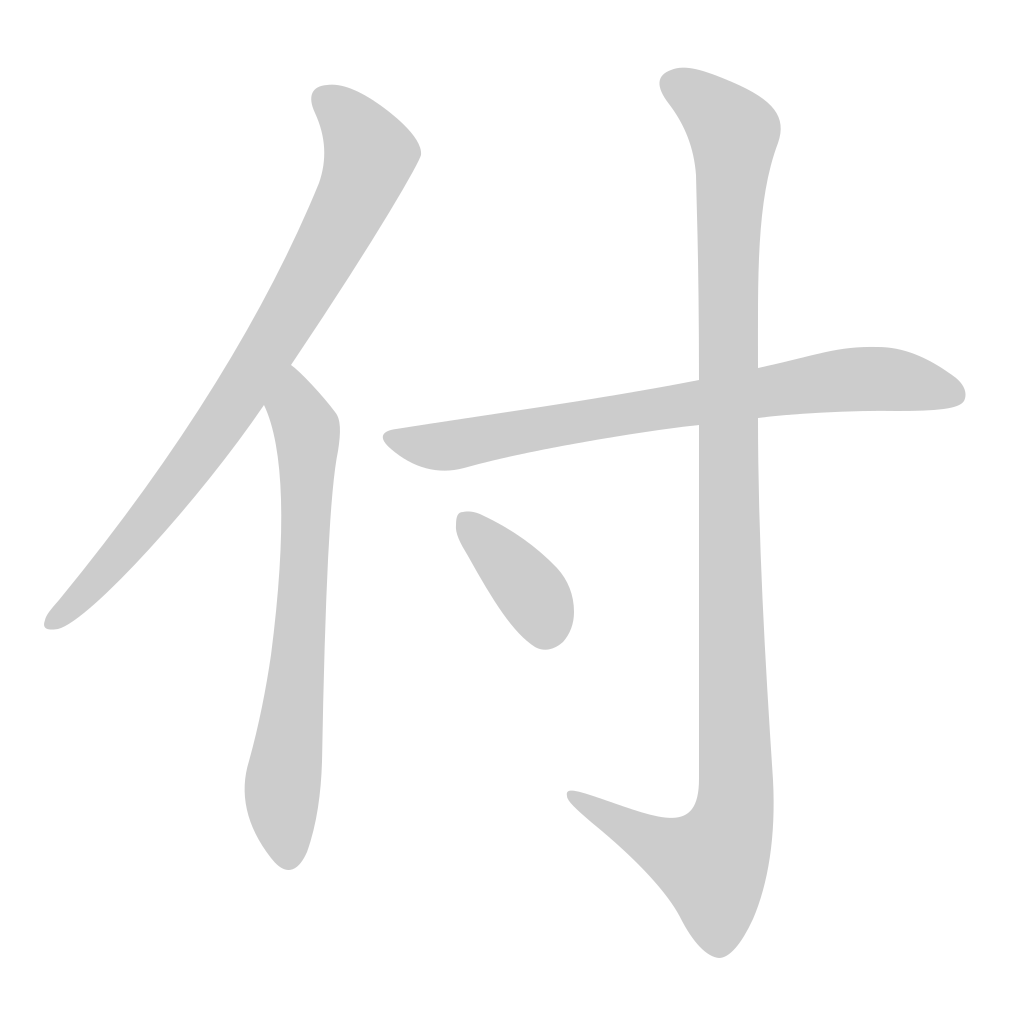
- ## 365 — 付 (attach / hand over) — 5 strokes
- ## 366 — 団 (group) — 6 strokes
- ## 367 — 寸 (sun measure) — 3 strokes
- ## 368 — 支 (branch / support) — 4 strokes
- ## 369 — 技 (skill) — 7 strokes
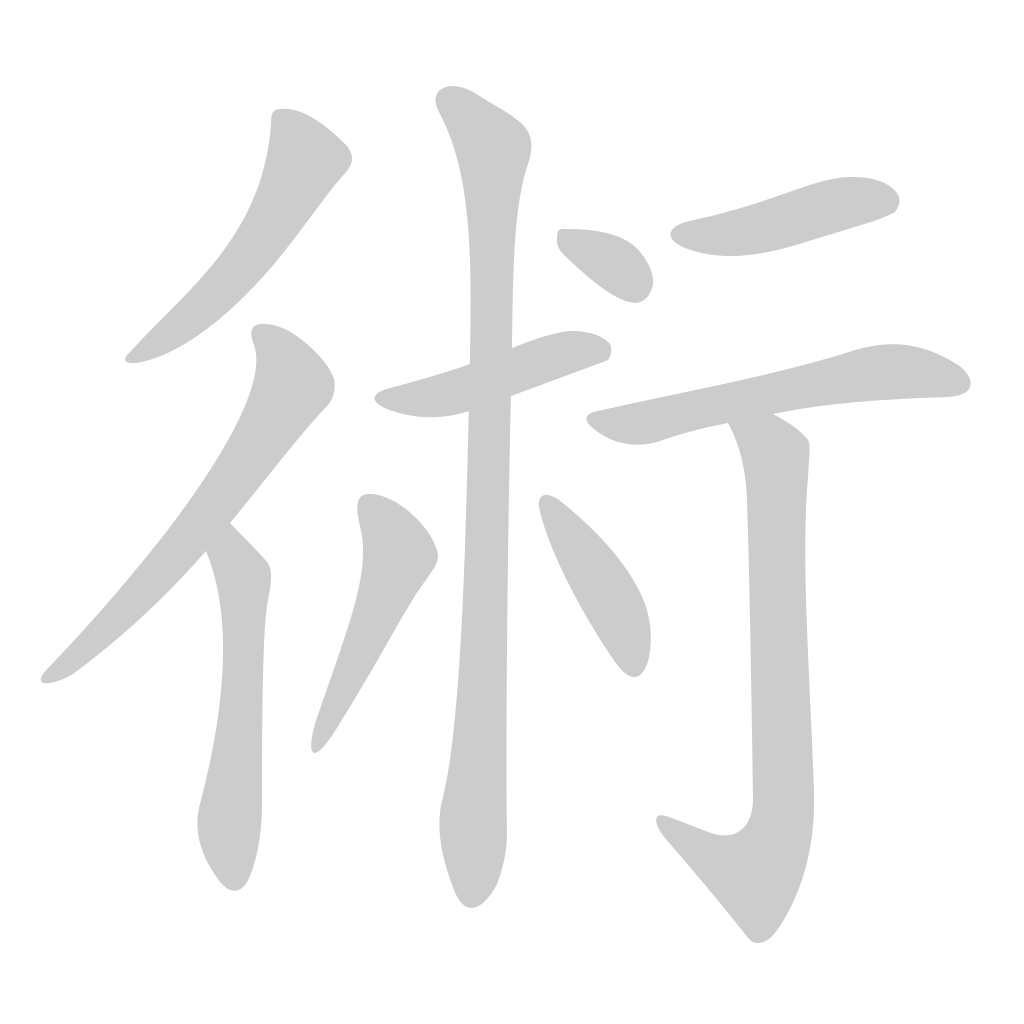
- ## 370 — 術 (technique / means) — 11 strokes
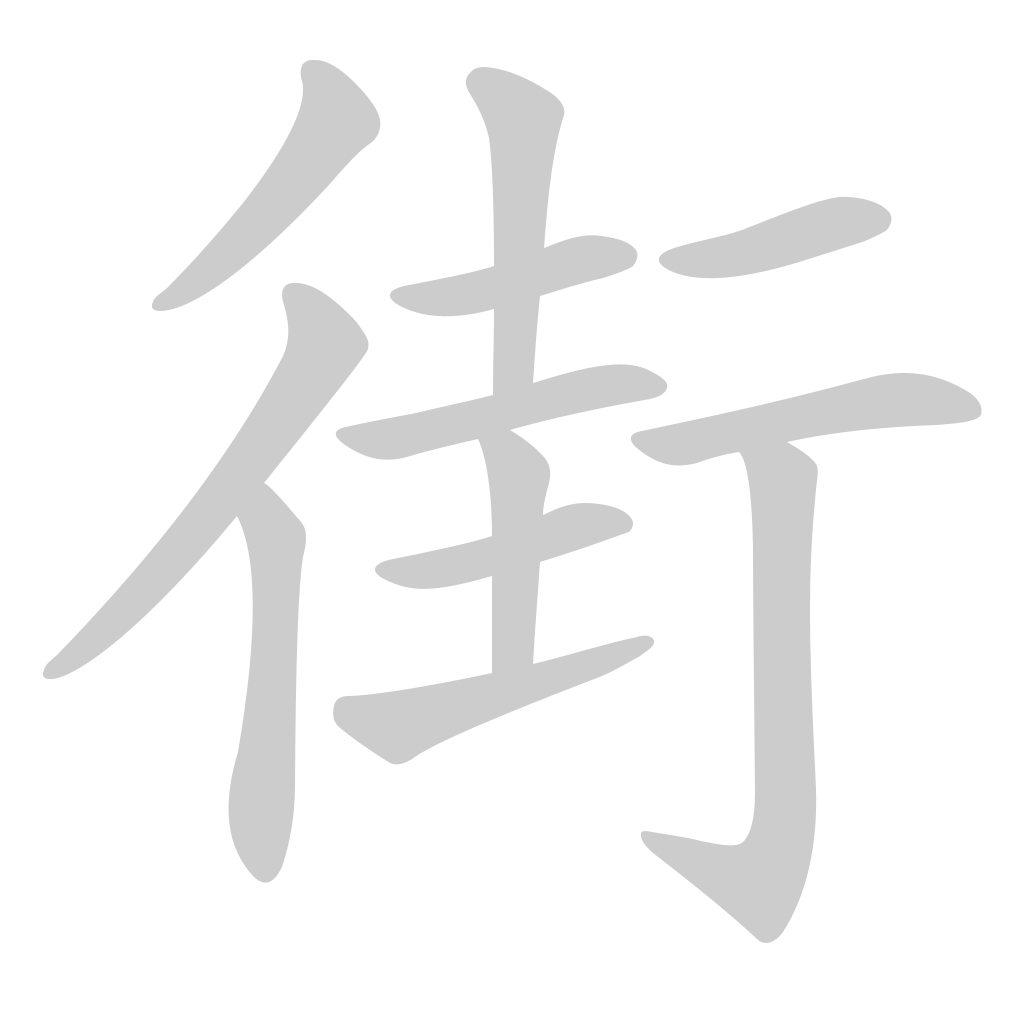
- ## 371 — 街 (street / town) — 12 strokes
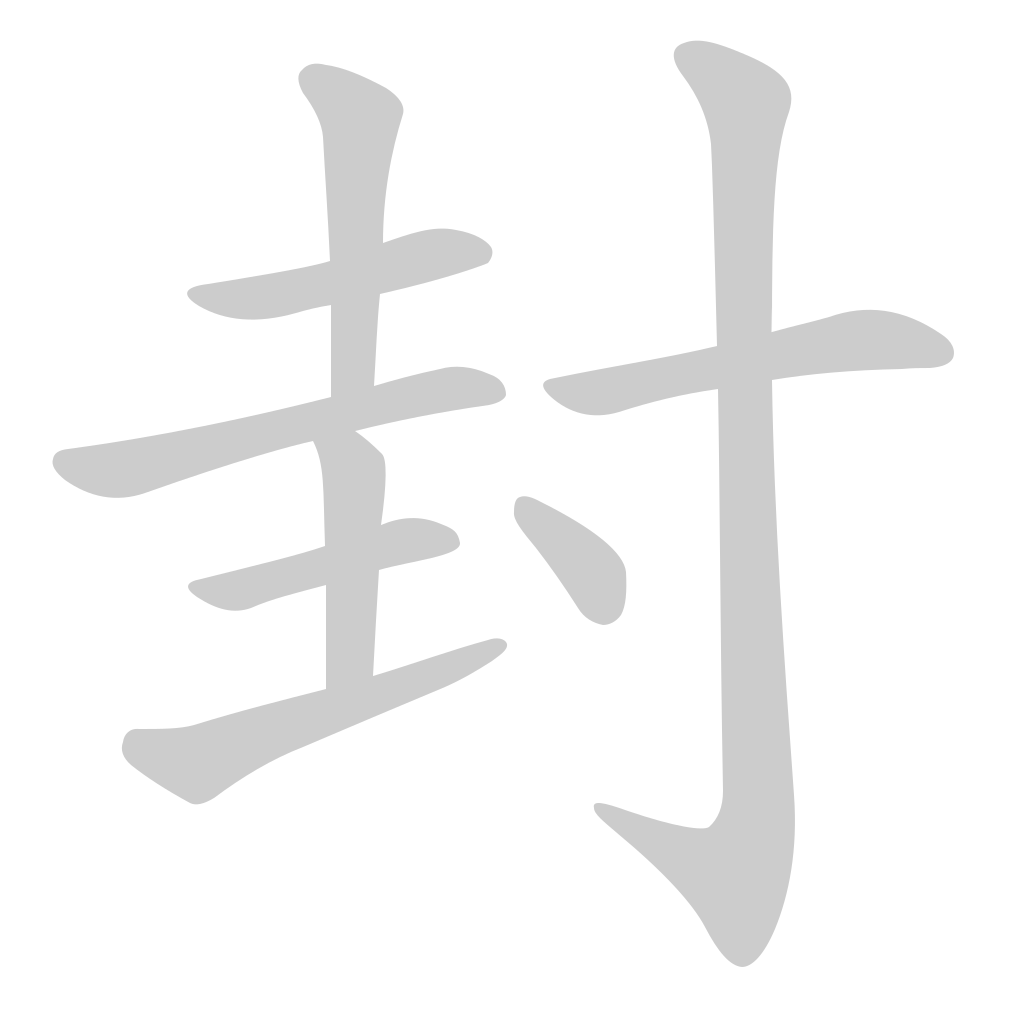
- ## 372 — 封 (seal / enclose) — 9 strokes
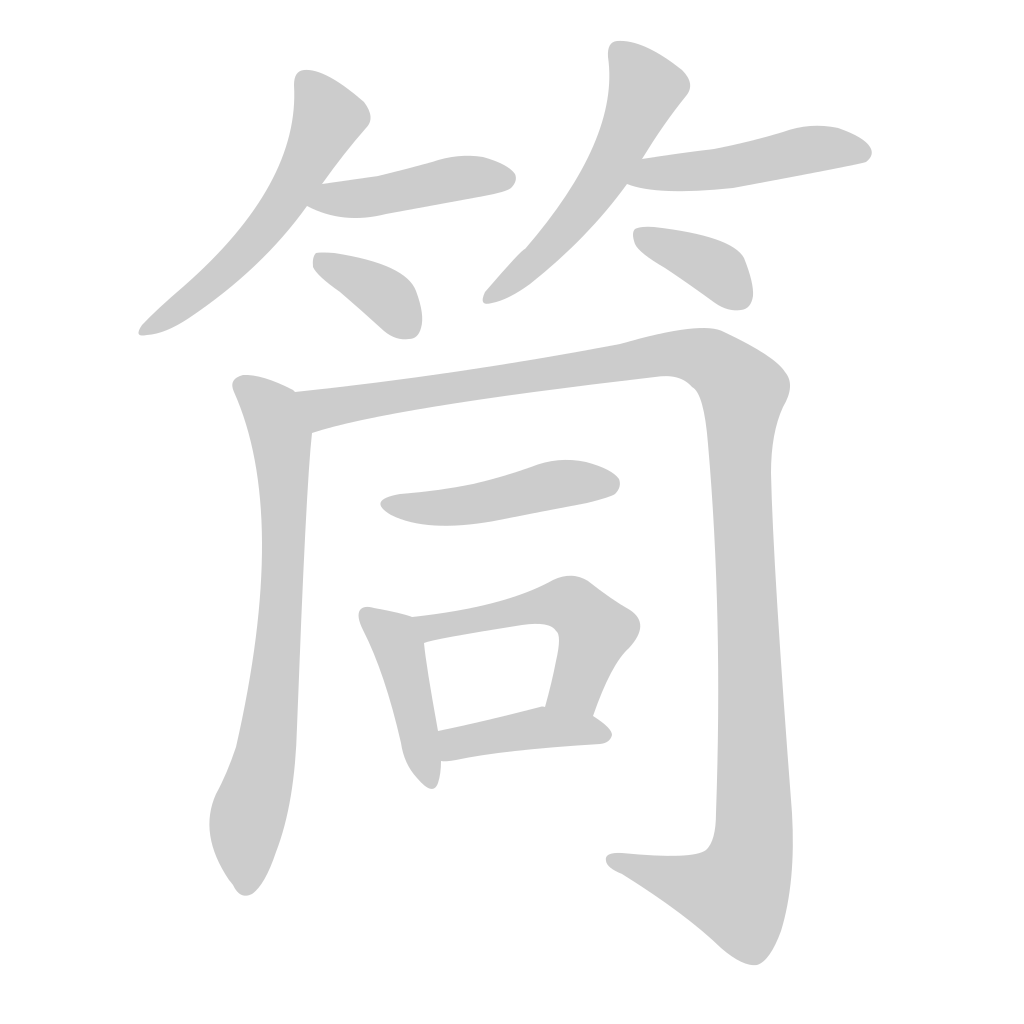
- ## 373 — 筒 (tube / cylinder) — 12 strokes
- # Stroke Patterns in This Lesson
- # Sources
Lesson 20 — Characters 362–373: 反 対 村 付 団 寸 支 技 術 街 封 筒 Companion file to Workbook
Quick Reference
| # | Kanji | Stroke Order | Strokes | Links |
|---|---|---|---|---|
| 362 | 反 | 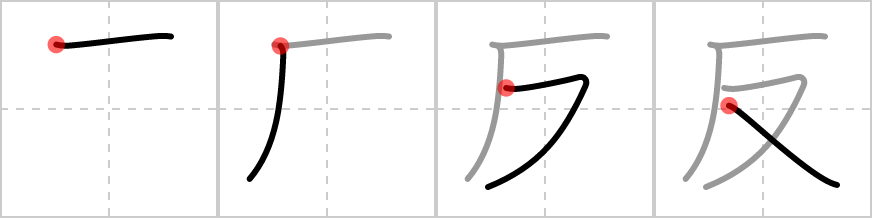 | 4 | Jisho · AnimCJK |
| 363 | 対 |  | 7 | Jisho · AnimCJK |
| 364 | 村 |  | 7 | Jisho · AnimCJK |
| 365 | 付 | 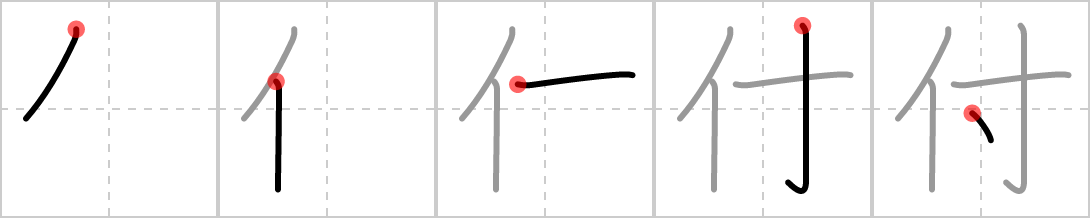 | 5 | Jisho · AnimCJK |
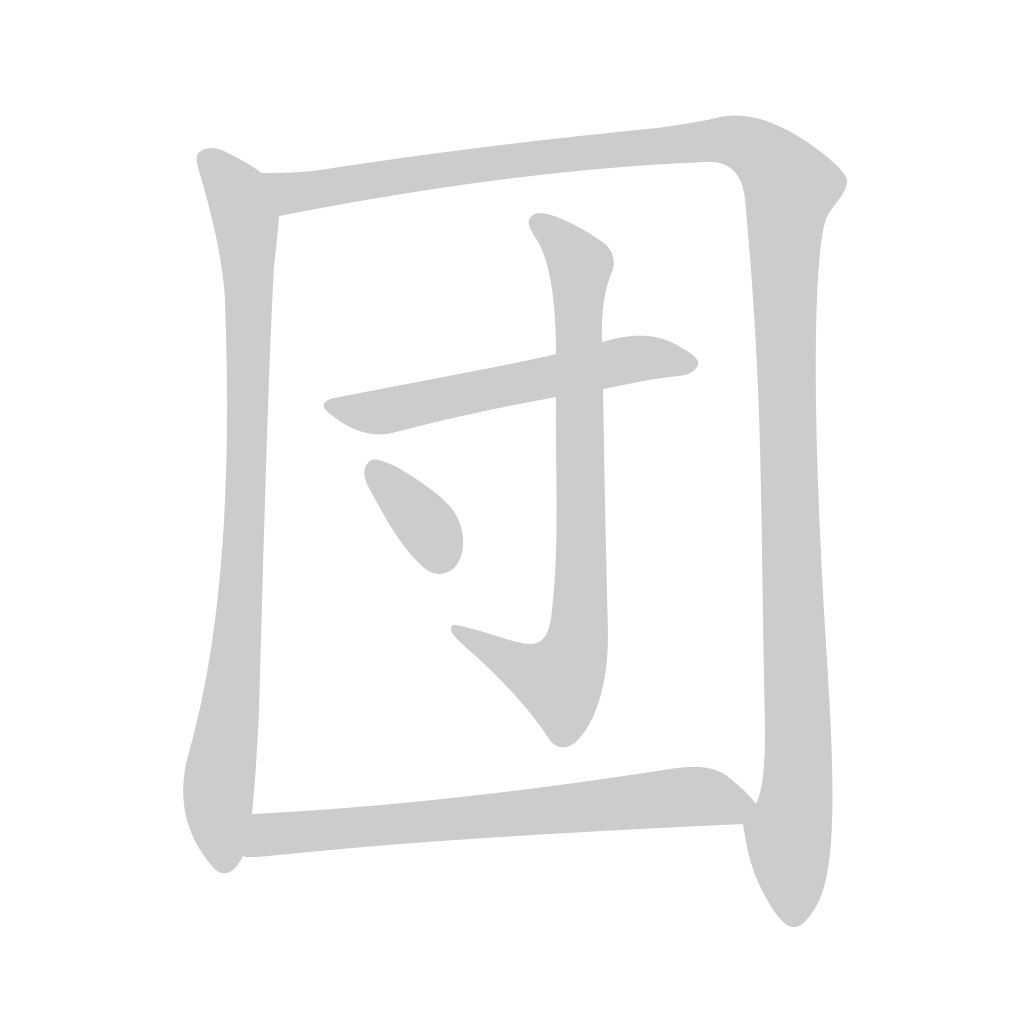
| 366 | 団 |  | 6 | Jisho · AnimCJK |
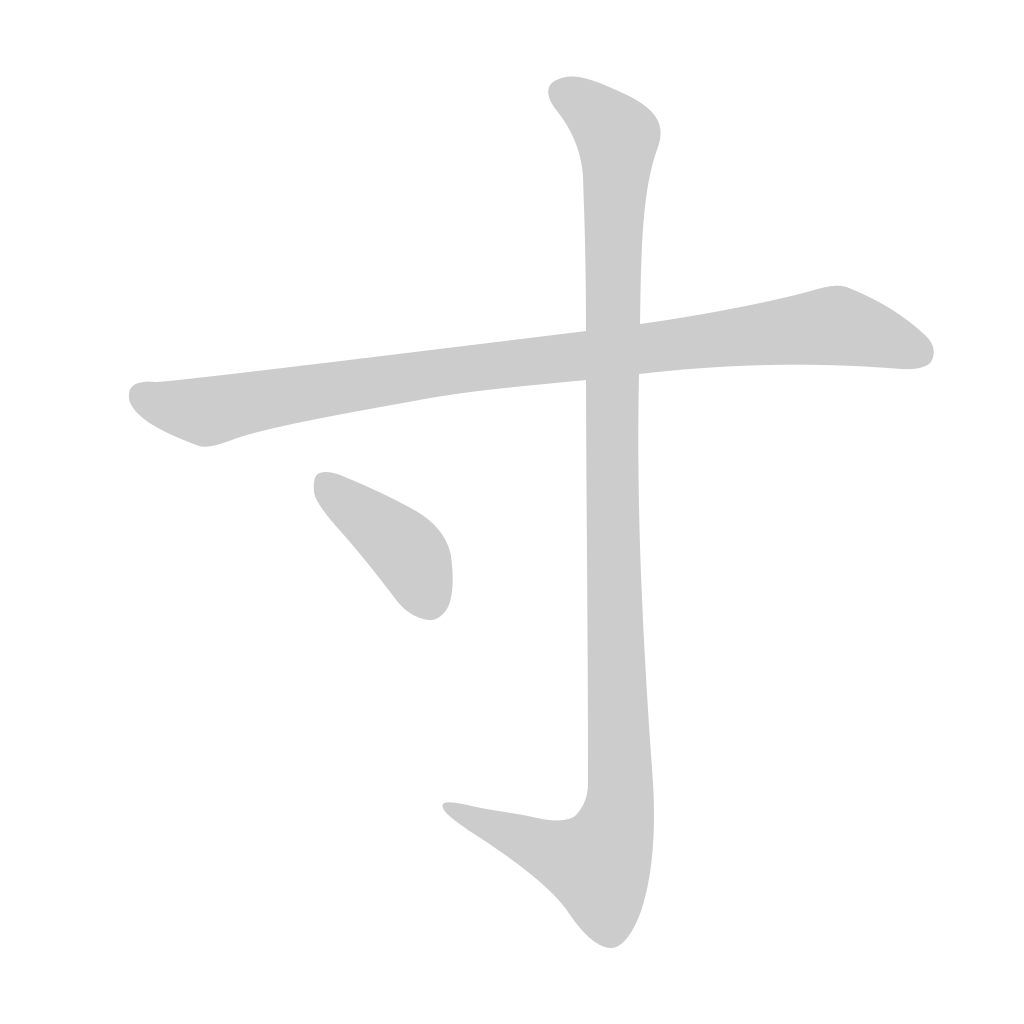
| 367 | 寸 | 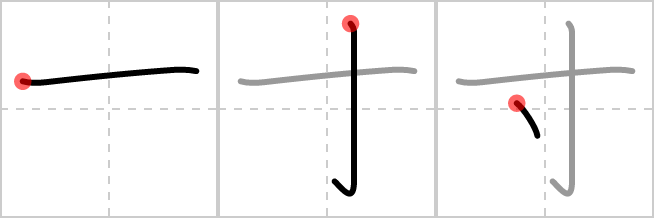 | 3 | Jisho · AnimCJK |
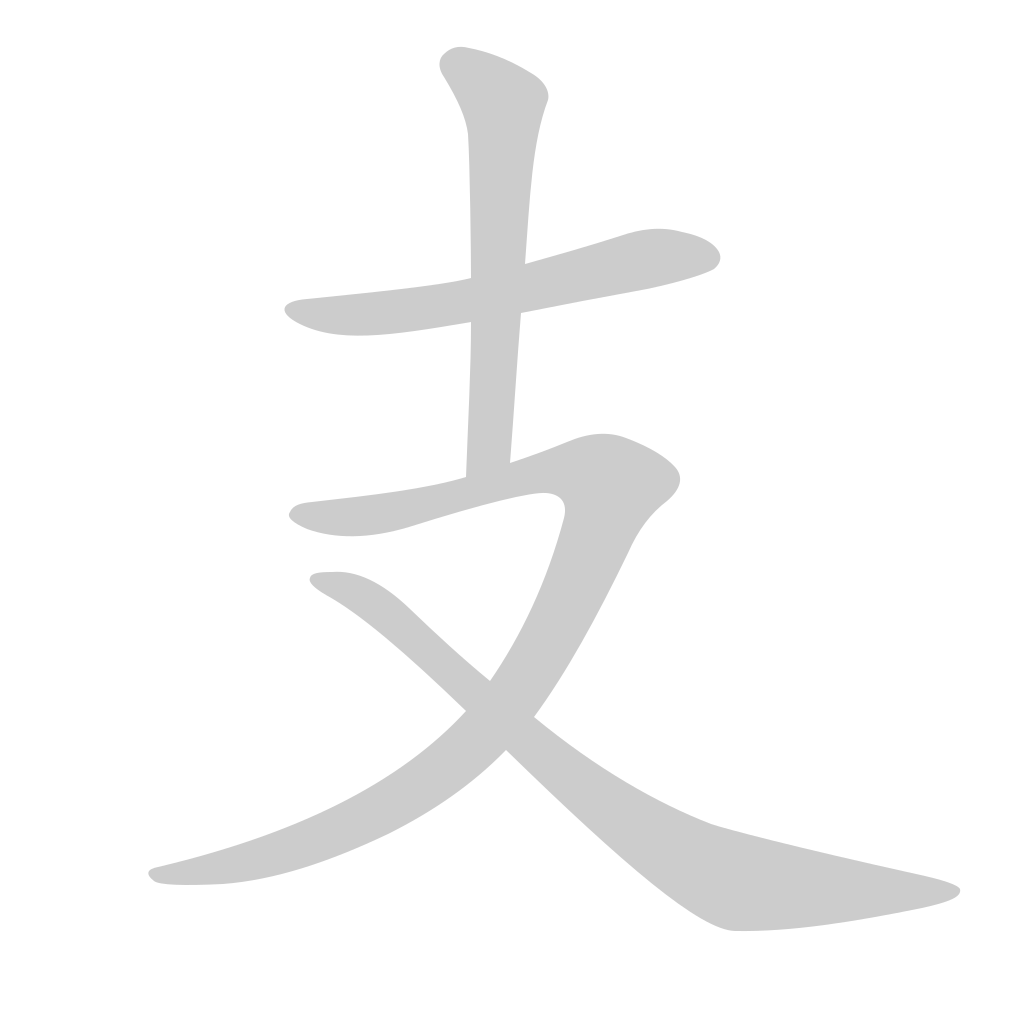
| 368 | 支 | 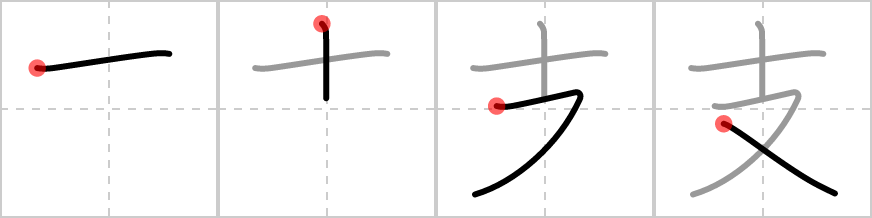 | 4 | Jisho · AnimCJK |
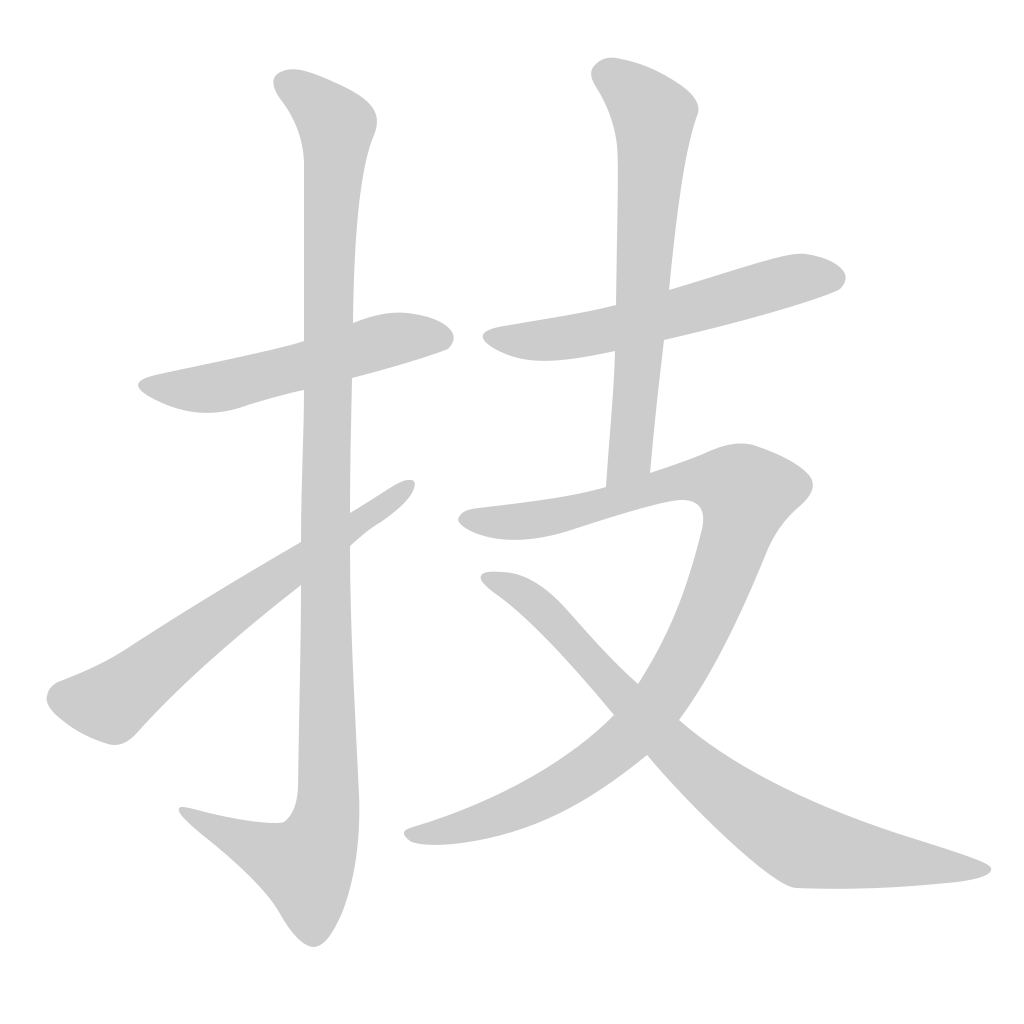
| 369 | 技 |  | 7 | Jisho · AnimCJK |
| 370 | 術 |  | 11 | Jisho · AnimCJK |
| 371 | 街 |  | 12 | Jisho · AnimCJK |
| 372 | 封 |  | 9 | Jisho · AnimCJK |
| 373 | 筒 |  | 12 | Jisho · AnimCJK |
These PNGs are generated from KanjiVG using
kanjivg-to-png, so each image shows the character being built stroke by stroke in panels.
Per-Kanji Stroke Notes
362 — 反 (opposite / reverse) — 4 strokes
- Structure: cliff-like top + hand-like lower part
- Watch: short top stroke first, then long left-falling stroke, then the lower right stroke, then the final sweeping hand stroke
- Common error: making the lower part look like 爪 or writing the last sweep too early
363 — 対 (opposite / pair) — 7 strokes
- Structure: simplified modern form with left component and final 寸-like right side
- Watch: finish the left portion before the right-side 寸
- Common error: compressing the right side too much and losing the final dot balance
364 — 村 (village) — 7 strokes
- Structure: 木 + 寸
- Watch: write the left 木 fully before moving to the right-side 寸
- Common error: writing 寸 too close to 木 and collapsing the two-part structure
365 — 付 (attach / hand over) — 5 strokes
- Structure: 亻 + 寸
- Watch: the person radical is written first in its compact left-side form
- Common error: making the right side too large so it overpowers the narrow 亻
366 — 団 (group) — 6 strokes
- Structure: enclosure + inner component
- Watch: outer enclosure begins first, but the closing stroke comes after the inside is written
- Common error: closing the box too early before adding the inner strokes
367 — 寸 (sun measure) — 3 strokes
- Structure: horizontal / vertical-hook / dot
- Watch: keep the final dot clearly separate from the main vertical-hook stroke
- Common error: turning the final dot into a drag or attaching it to the vertical line
368 — 支 (branch / support) — 4 strokes
- Structure: top cross-like stroke cluster over hand/action bottom
- Watch: compact top first, then lower action stroke sequence
- Common error: confusing it with 又-based characters and flattening the middle crossing point
369 — 技 (skill) — 7 strokes
- Structure: 扌 + 支
- Watch: write the left hand radical first, then the right-side 支 cleanly
- Common error: crowding 支 after a wide 扌
370 — 術 (technique / means) — 11 strokes
- Structure: 行 enclosure-path form + inner/right component
- Watch: keep the left and right rails of 行 distinct while inserting the center component in the correct order
- Common error: tangling the middle strokes or making 行 look like a single box
371 — 街 (street / town) — 12 strokes
- Structure: 行 + 圭
- Watch: treat it as a road radical wrapped around a stacked right-side form
- Common error: uneven spacing between the two verticals of 行 and the right-side 圭 block
372 — 封 (seal / enclose) — 9 strokes
- Structure: earth-mound style left side + 寸
- Watch: the left stacked component is completed before the right-hand 寸-like finish
- Common error: assuming the left side is literally 圭 and misbalancing the lower section
373 — 筒 (tube / cylinder) — 12 strokes
- Structure: 竹冠 + 同
- Watch: the bamboo crown comes first in its standard six-stroke pattern, then the lower 同 block
- Common error: writing an oversimplified top and losing the symmetry of the bamboo radical
Stroke Patterns in This Lesson
Shared right component: 寸
村, 付, and 封 all end with a 寸-like right-side finish. Practice keeping that compact final dot distinct.
Enclosure/path forms
団 uses a full enclosure, while 術 and 街 use 行 as a path-frame radical. All three punish premature closing strokes.
Hand-related writing motion
反, 支, 技 all involve dynamic lower strokes that feel hand-like. These are easy to distort if you rush the last sweep.
Compact daily-use shapes
寸, 付, 村 are simple but need proportion control. Their difficulty is spacing, not complexity.
Sources
- KanjiVG — github.com/KanjiVG/kanjivg | License: CC-BY-SA 3.0 | Source SVG data
- kanjivg-to-png — github.com/nicdgonzalez/kanjivg-to-png | Step-by-step panel PNG generator used for this file
- AnimCJK — github.com/parsimonhi/animCJK | Animated SVG reference
- Jisho.org — jisho.org | Quick kanji lookup and stroke references
- Kakijun — kakijun.jp | Japanese stroke-order reference site