KIC Lesson 49 Kanji Reference
Table of Contents
- # Quick Reference
-
# Per-Kanji Entries
- ## 697 — 委 (committee, entrust to, leave to) — 8 strokes
- ## 698 — 央 (center, middle) — 5 strokes
- ## 699 — 企 (undertake, scheme, design) — 6 strokes
- ## 700 — 季 (seasons) — 8 strokes
- ## 701 — 歳 (year-end, age, occasion) — 13 strokes
- ## 702 — 史 (history, chronicle) — 5 strokes
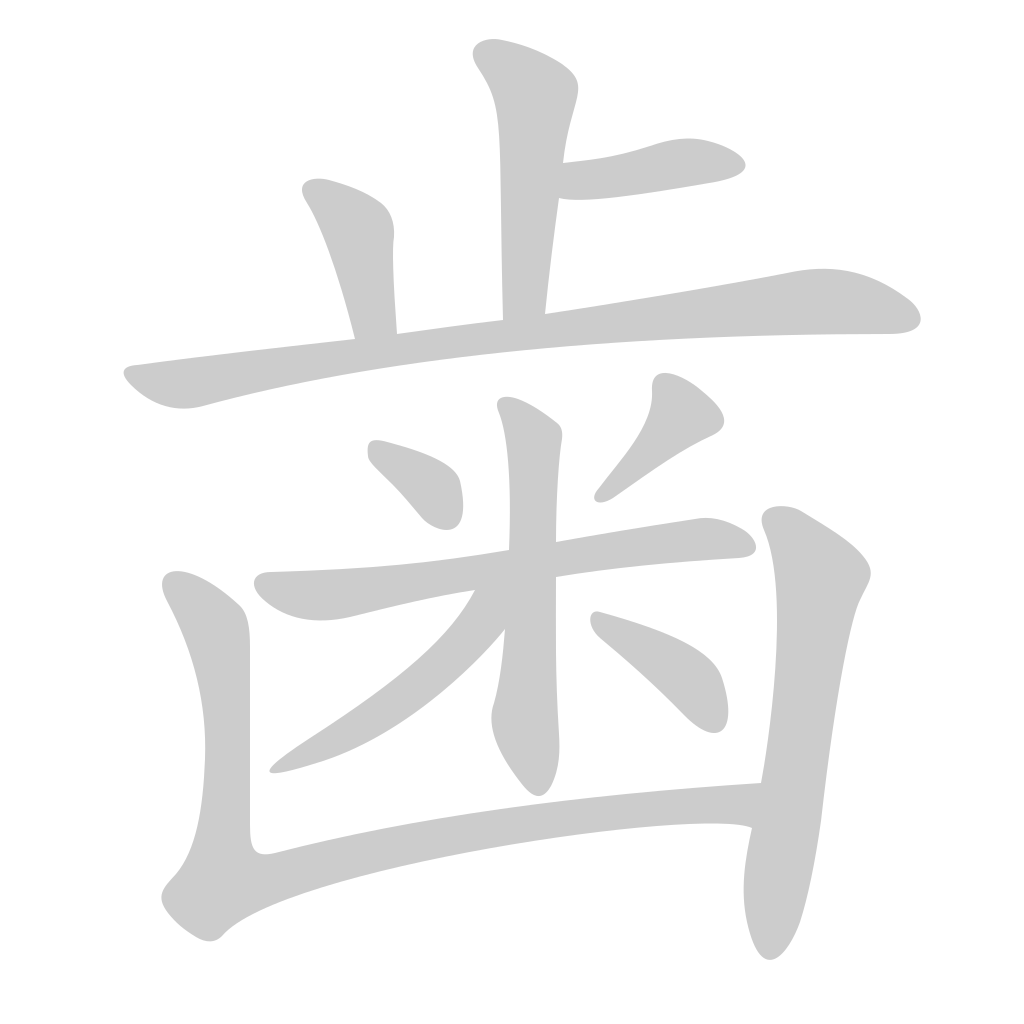
- ## 703 — 歯 (tooth, cog) — 12 strokes
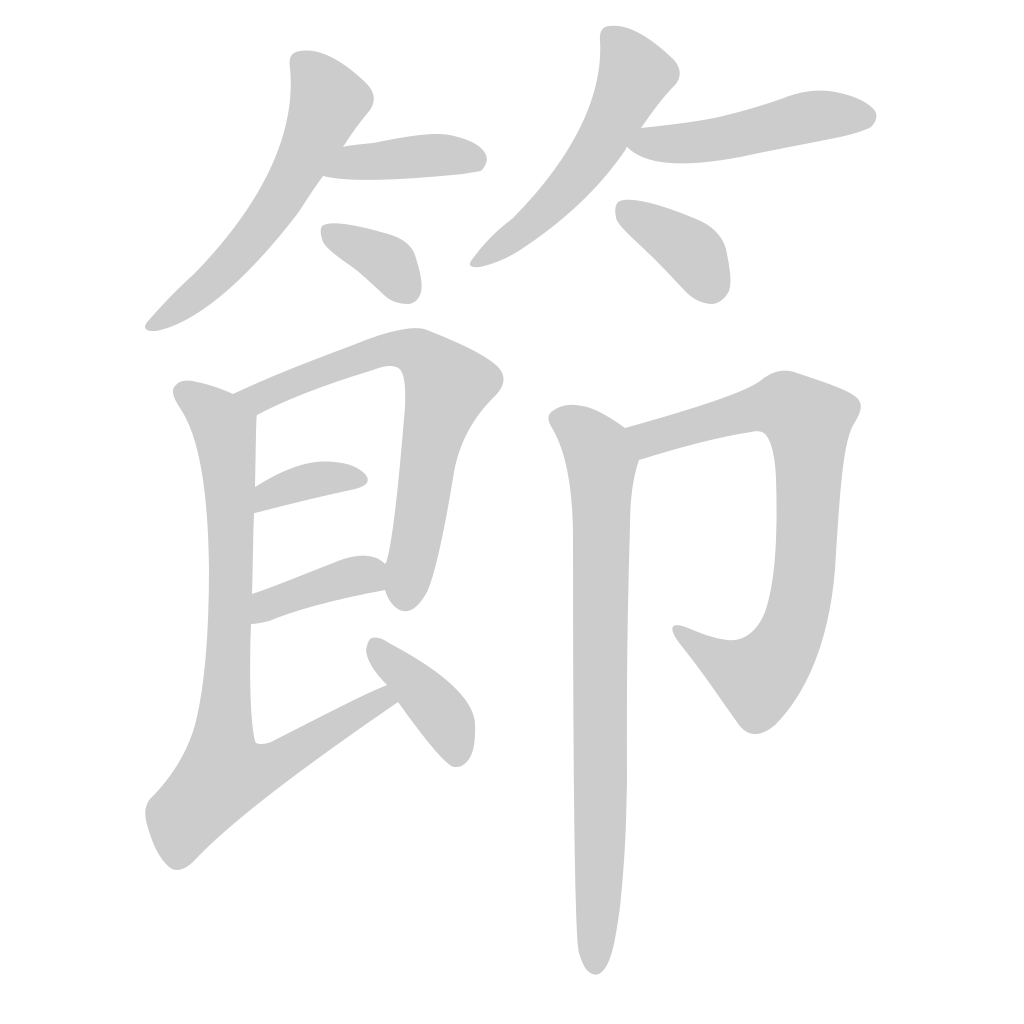
- ## 704 — 節 (node, season, period) — 13 strokes
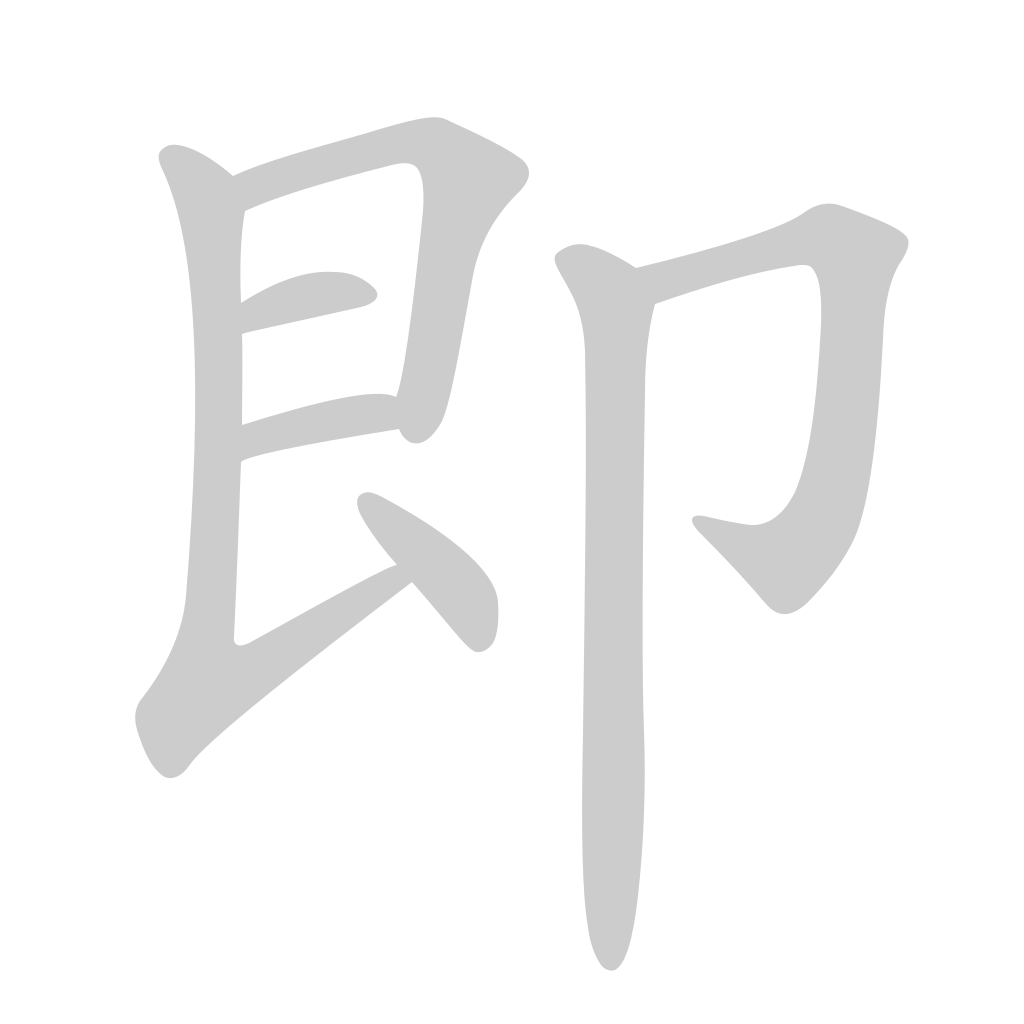
- ## 705 — 即 (instant, namely, as is) — 7 strokes
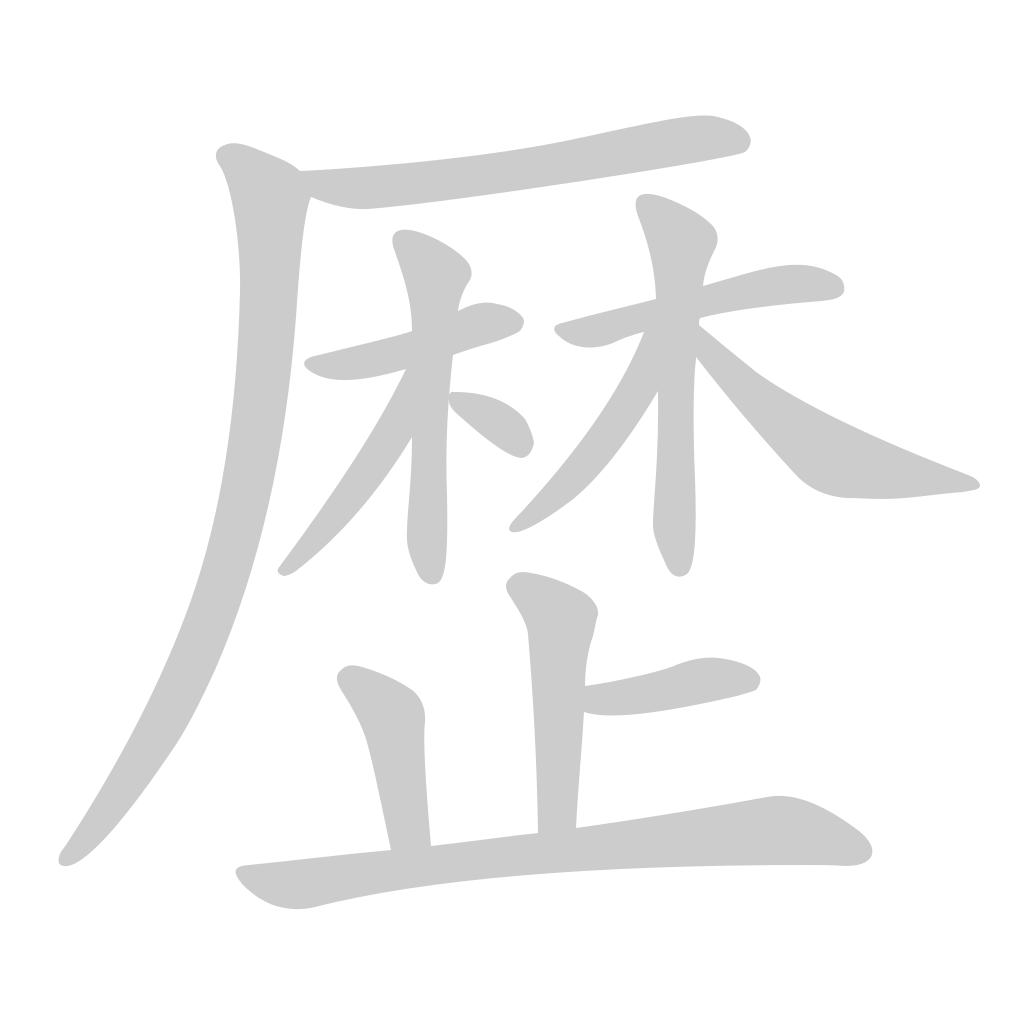
- ## 706 — 歴 (curriculum, continuation, passage of time) — 14 strokes
- # Stroke & Component Patterns in This Lesson
- # Phonetic Series Summary (also in the workbook, repeated here for reference)
- # Sources
Lesson 49 — Characters 697–706: 委 央 企 季 歳 史 歯 節 即 歴 Companion to Workbook. The workbook handles articles, vocabulary, study aids, and self-test. This file is the structural deep-dive — radicals, functional components (meaning/sound/form), stroke order, and shared-component patterns.
Quick Reference
| # | Kanji | Stroke Order | Strokes | Radical | Links |
|---|---|---|---|---|---|
| 697 | 委 |  | 8 | ⼥ (woman) | Jisho · AnimCJK |
| 698 | 央 | 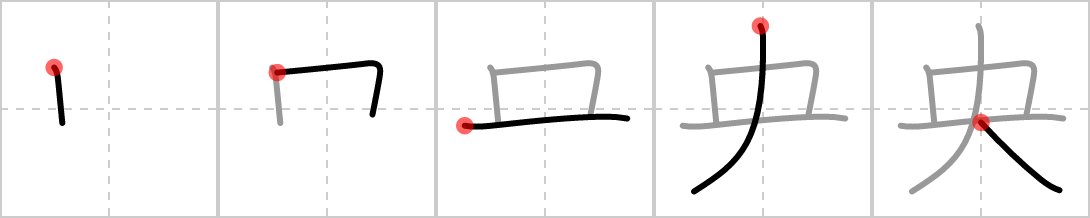 | 5 | ⼤ (large) | Jisho · AnimCJK |
| 699 | 企 |  | 6 | ⼈ (person) | Jisho · AnimCJK |
| 700 | 季 |  | 8 | ⼦ (child) | Jisho · AnimCJK |
| 701 | 歳 |  | 13 | ⽌ (to stop) | Jisho · AnimCJK |
| 702 | 史 | 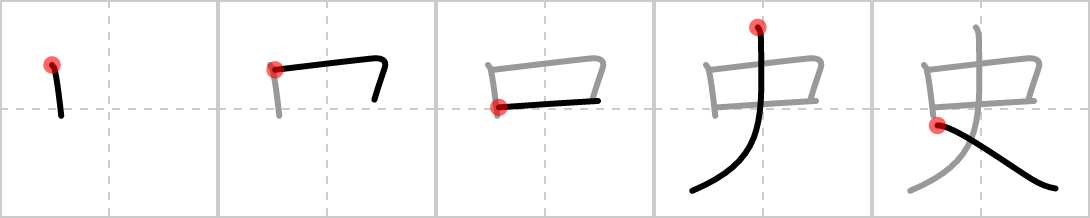 | 5 | ⼝ (mouth) | Jisho · AnimCJK |
| 703 | 歯 |  | 12 | ⽌ (tooth) | Jisho · AnimCJK |
| 704 | 節 |  | 13 | ⽵ (bamboo) | Jisho · AnimCJK |
| 705 | 即 |  | 7 | ⼙ (stamp) | Jisho · AnimCJK |
| 706 | 歴 |  | 14 | ⽌ (to stop) | Jisho · AnimCJK |
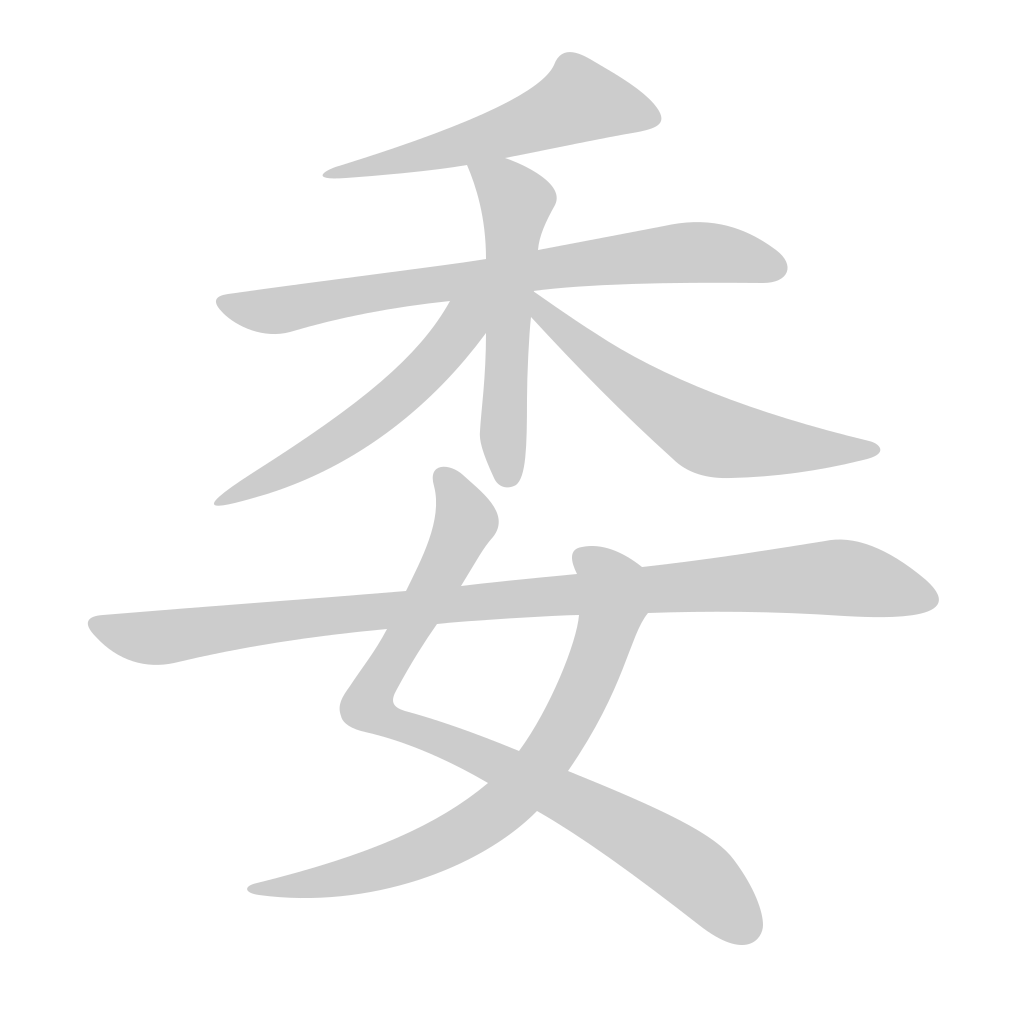
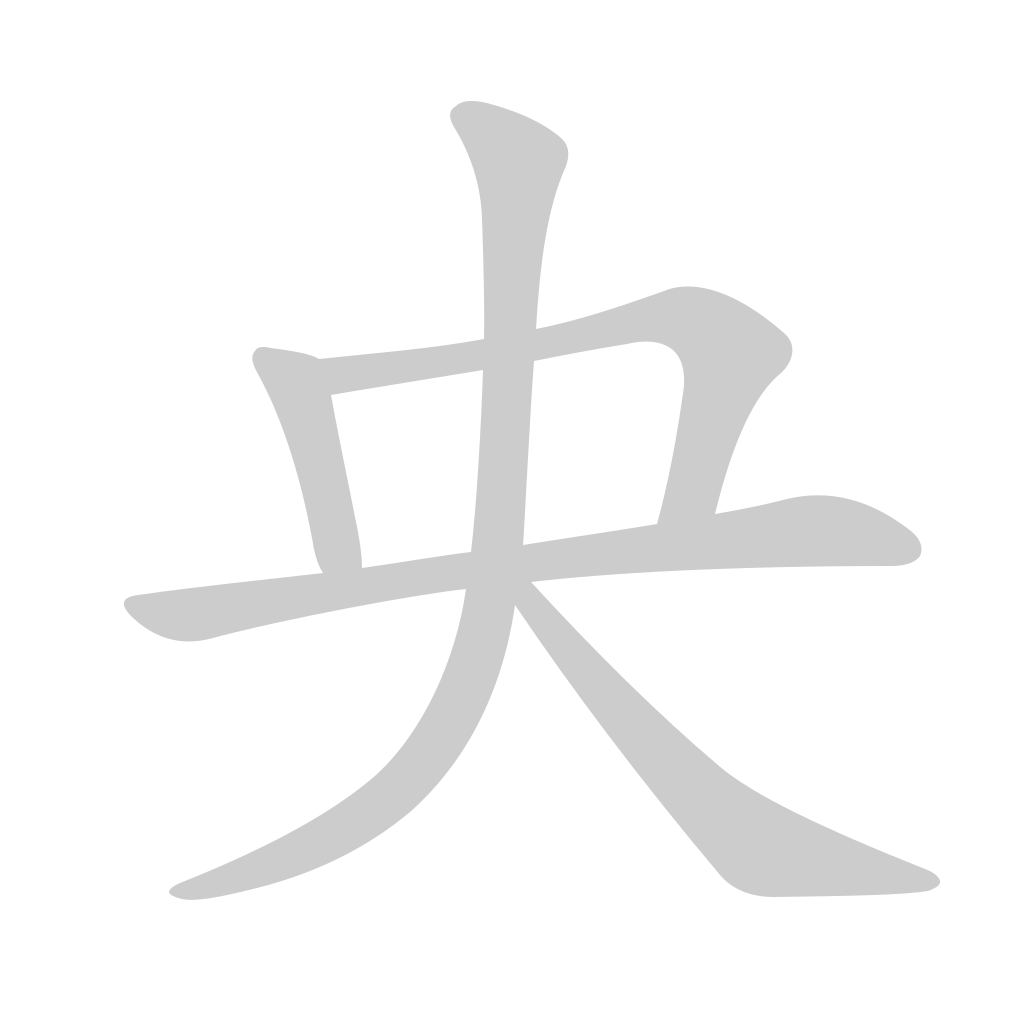
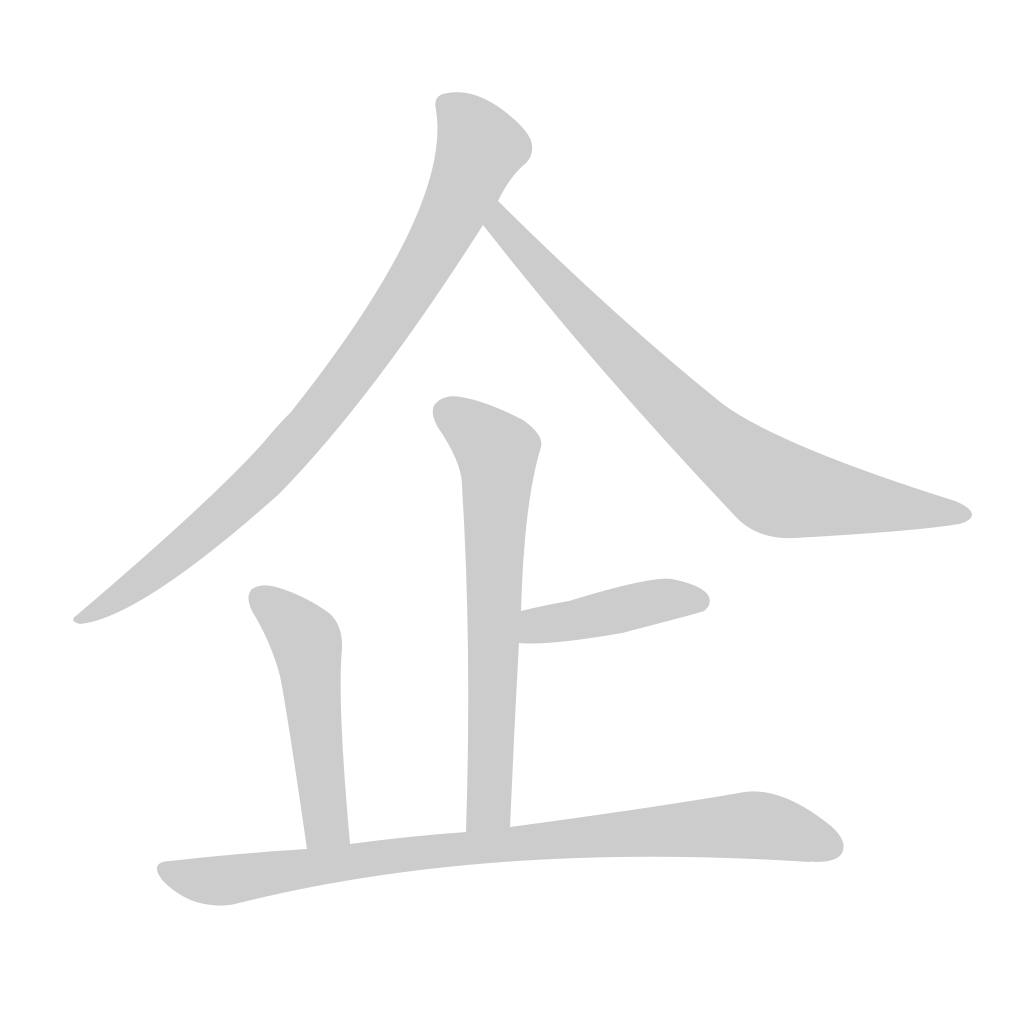
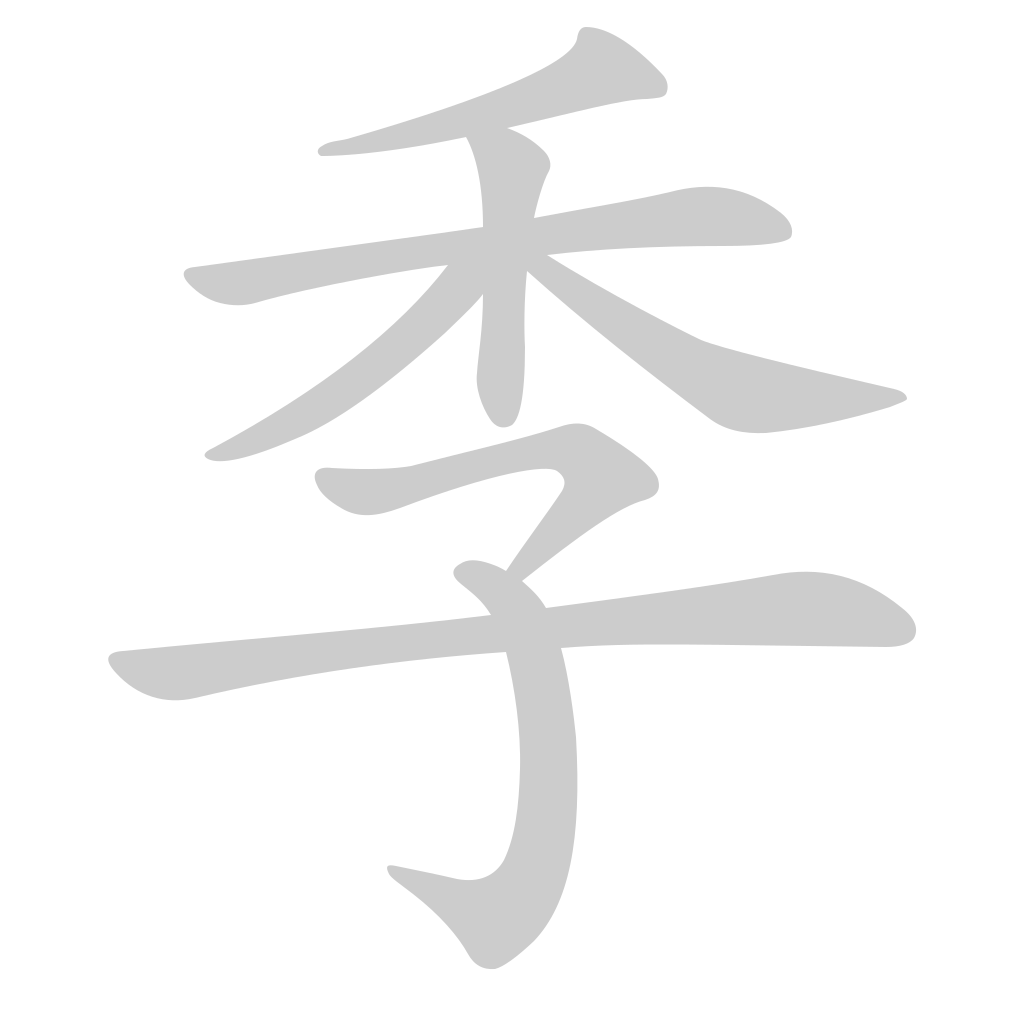
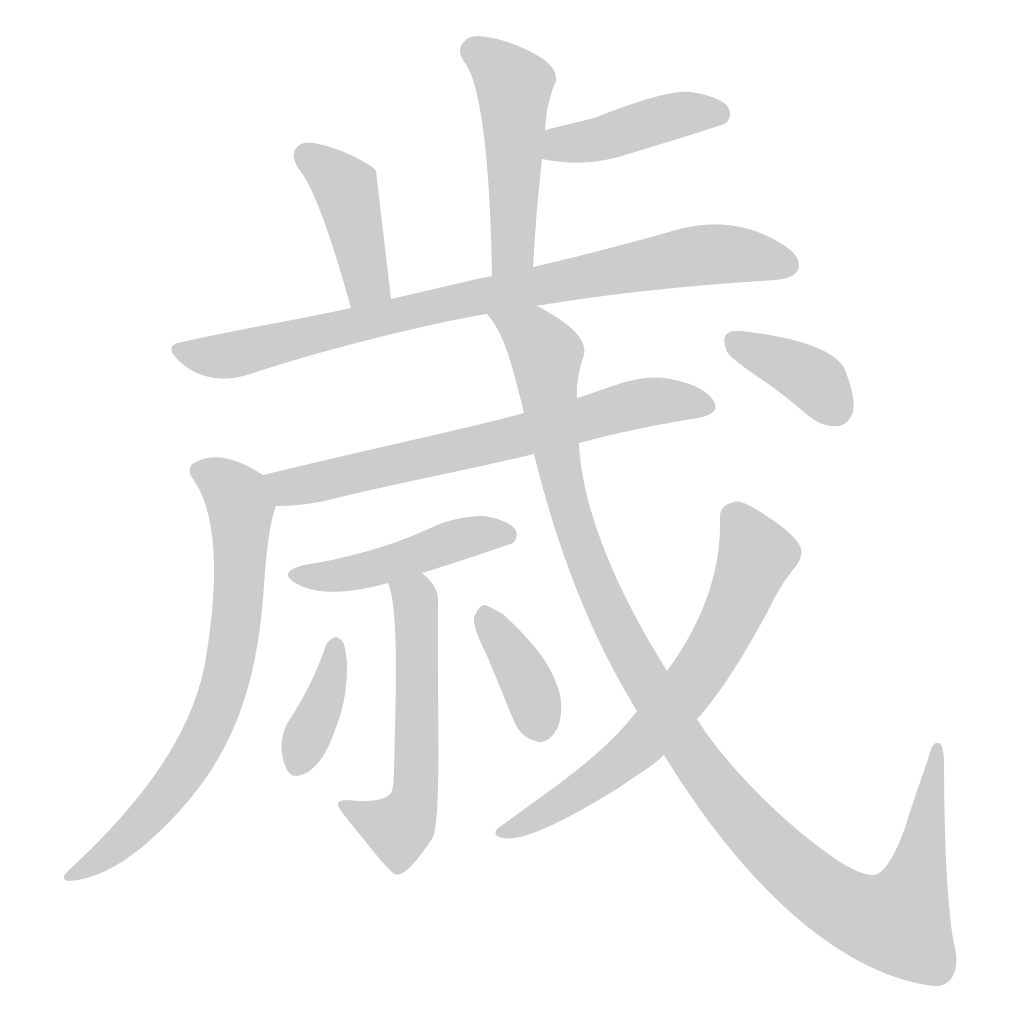
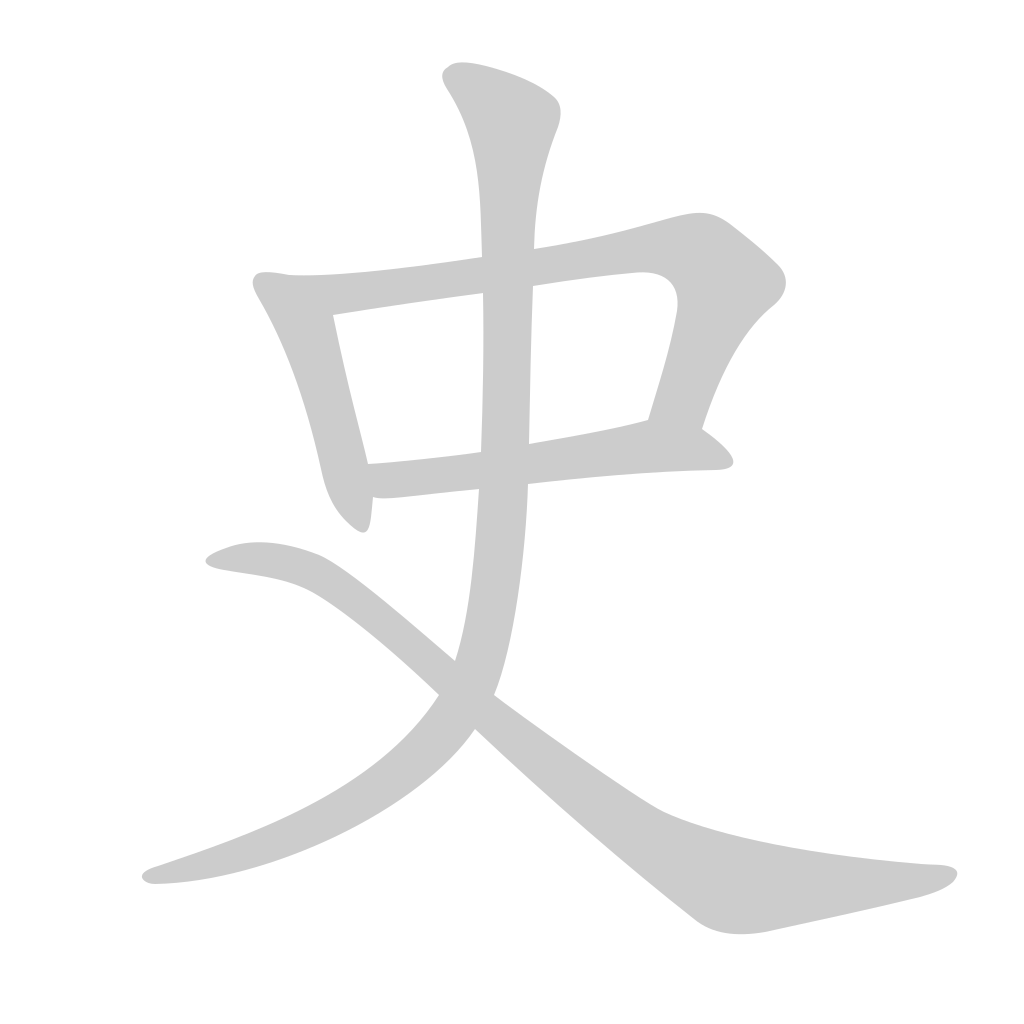
PNGs are generated from KanjiVG using
kanjivg-to-png, so each image shows the character being built stroke by stroke in panels. AnimCJK links open animated versions in a browser.
Per-Kanji Entries
697 — 委 (committee, entrust to, leave to) — 8 strokes
Radical: ⼥ (おんな — "woman") · 8 strokes total
Components & function — 形声 / 会意 / 象形 / 指事 etc.; list components and their roles (meaning / sound / form)
- component breakdown bullet 1
- component breakdown bullet 2
Stroke order
- Structure: describe component order
- Watch: key stroke-order pitfall
- Common error: what learners typically get wrong
698 — 央 (center, middle) — 5 strokes
Radical: ⼤ (だい — "large, big") · 5 strokes total
Components & function — 会意 (compound ideograph)
- 大 (large) — semantic base suggesting expanse
- 冂 (enclosure) — additional strokes at top forming a cover/boundary
- 一 (horizontal line at bottom) — base line
Originally depicted a person with arms outstretched (大) constrained at top and bottom, suggesting "center" or "middle" — the point between extremes. Modern meaning: center, middle (中央 "center").
Stroke order
- Structure: Vertical center stroke first (from 冂), then outer strokes, then the 大 component strokes, finally bottom horizontal line
- Watch: The top stroke (冂) must enclose the vertical line before writing the diagonal strokes of 大
- Common error: Writing 大 first, then adding the top enclosure (violates the principle of writing enclosures before their contents)
699 — 企 (undertake, scheme, design) — 6 strokes
Radical: ⼈ (ひとやね — "person ") · かんむり · 6 strokes total
Components & function — 会意 (compound ideograph)
- 人 (person, in かんむり form ⼈) — top component
- 止 (stop, foot) — bottom component representing standing/action
The character combines "person" above with "standing" (止, originally a footprint), suggesting "a person standing at the start of something" → undertake, begin. Modern usage: 企業 (enterprise), 企画 (plan), 企てる (scheme/attempt).
Stroke order
- Structure: Top component ⼈ (2 strokes) first, then bottom component 止 (4 strokes)
- Watch: The ⼈ radical must be written with proper spacing to accommodate the 止 beneath; don't compress it
- Common error: Writing the 止 component with incorrect stroke order (must be left vertical, top horizontal, right vertical, bottom horizontal)
700 — 季 (seasons) — 8 strokes
Radical: ⼦ (こ — "child, son") · 8 strokes total
Components & function — 形声 (phono-semantic compound)
- 禾 (grain/rice plant) — semantic component suggesting growth, cycles (crops grow in seasons)
- 子 (child) — phonetic component carrying キ reading
The grain component (禾) points to agricultural cycles; the character means "season" (四季 "four seasons," 季節 "season"). The child component 子 is primarily phonetic here, though "child" and "seasons" both relate to stages/cycles.
Stroke order
- Structure: Top component 禾 (5 strokes) first, then bottom component 子 (3 strokes)
- Watch: The 禾 radical's sweeping diagonal stroke must be balanced and not extend too far left
- Common error: Making the 子 component too large relative to 禾 (the 禾 should dominate visually)
701 — 歳 (year-end, age, occasion) — 13 strokes
Radical: ⽌ (とめる — "to stop") · 13 strokes total
Components & function — 会意兼形声 (compound ideograph with phonetic element)
- 止 (stop, footprint) — left component (structural base)
- 戉 (ancient axe, halberd) — right component, originally depicting a weapon used in harvest ceremonies
The character originally represented the completion of the agricultural year (harvest festival with ceremonial axe), hence "year" (歳). Modern usage: ~歳 (years old), 歳末 (year-end), お歳暮 (year-end gift). The ⽌ radical here is structural, not semantic.
Stroke order
- Structure: Left component 止 (4 strokes) first, then right component 戉 (9 strokes: 一, ノ, 丿, top 口, bottom strokes)
- Watch: The right side is complex — write the top horizontal first, then the slanting lines, then the 口 box, finally the bottom strokes
- Common error: Rushing the right side (戉) and losing its structure; count 13 total strokes carefully
702 — 史 (history, chronicle) — 5 strokes
Radical: ⼝ (くち — "mouth") · 5 strokes total
Components & function — 会意 (compound ideograph)
- 口 (mouth) — bottom component (radical)
- 一 (one) — top horizontal line
- 乚 (bent hook) — curved element on top
Originally depicted a hand (乚) holding a writing brush above a mouth/container (口), representing a scribe or historian recording events. Modern meaning: history, chronicle (歴史 "history," 日本史 "Japanese history"). The "mouth" (口) suggests oral tradition → written record.
Stroke order
- Structure: Top stroke 一 first, then the bent hook 乚, finally bottom component 口 (3 strokes)
- Watch: The curved stroke must cleanly connect to the horizontal line at top
- Common error: Writing 口 first (violates top-to-bottom principle)
703 — 歯 (tooth, cog) — 12 strokes
Radical: ⽌ (は — "tooth") · 12 strokes total
Components & function — 象形 (pictograph) with structural elements
- 止 (stop, foot) — top-left component (structural, not semantic here)
- 米 (rice) — central component (6 strokes)
- 凵 (container, open box) — bottom component
The character is a stylized pictograph of teeth (the 米 component suggests the ridged/segmented appearance of a row of teeth). The ⽌ radical is used for dictionary filing but doesn't contribute "stop" meaning. Modern usage: 歯 (tooth), 虫歯 (cavity), 歯車 (gear).
Stroke order
- Structure: Top-left 止 (4 strokes) first, then central 米 (6 strokes), finally bottom 凵 (2 strokes)
- Watch: The 米 component must fit within the space defined by 止 above and 凵 below — don't make it too large
- Common error: Getting the stroke count of 米 wrong (it's 6: 丶, 丿, ㇒, 丶, 丿, ㇏)
704 — 節 (node, season, period) — 13 strokes
Radical: ⽵ (たけかんむり — "bamboo") · かんむり · 13 strokes total
Components & function — 形声 (phono-semantic compound)
- 竹 (bamboo, in たけかんむり form ⺮) — semantic component suggesting segmented structure (bamboo has nodes/joints)
- 即 (instant, prompt) — phonetic component carrying セツ reading (with vowel shift from ソク)
The bamboo component (⺮) points to the physical structure of bamboo stems with their characteristic joints (節), while the phonetic component 即 provides the セツ reading. Modern usage: 季節 (season — seasonal nodes), 節約 (economize), 調節 (adjust), 関節 (joint in body).
Stroke order
- Structure: Top component ⺮ (6 strokes) first, then bottom component 即 (7 strokes)
- Watch: The bamboo radical ⺮ has two clusters of three strokes each; write left cluster first (ノ, ㇒, ㇒), then right cluster (ノ, ㇒, ㇒)
- Common error: Getting lost in the bottom component 即 (it's 7 strokes: left side ⺈ then right side 卩); practice writing 即 separately first
705 — 即 (instant, namely, as is) — 7 strokes
Radical: ⼙ (ふしづくり — "stamp, seal") · つくり · 7 strokes total
Components & function — 会意 (compound ideograph)
- ⺈ (kneeling person) — left component, depicting someone in position to eat
- 卩 (seal, kneeling person variant) — right component (the radical)
The character originally depicted a person kneeling to eat food (immediate consumption), yielding the meaning "instant, immediate" (即座に "immediately," 即興 "improvisation"). The "seal" radical 卩 suggests the finality/decisiveness of a stamp — something done immediately without delay.
Stroke order
- Structure: Left component ⺈ (5 strokes: ㇒, ㇂, left ㇒, ㇐, right ㇒) first, then right component 卩 (2 strokes: | then 丿)
- Watch: The left side ⺈ is complex — practice it separately; the top three strokes must form a clear roof shape
- Common error: Writing the right side 卩 first (violates left-to-right principle)
706 — 歴 (curriculum, continuation, passage of time) — 14 strokes
Radical: ⽌ (とめる — "to stop") · 14 strokes total
Components & function — 形声 (phono-semantic compound)
- 止 (stop, footprint) — left component (structural base)
- 厂 (cliff, lean-to) — top-right enclosure
- 林 (forest, grove — two 木) — component inside the 厂 enclosure
The character suggests "passing through" (止 as footprint/movement) many points (林 as multiple trees/stops), yielding "passage of time, curriculum" (歴史 "history," 学歴 "educational history," 経歴 "career history"). The 厂 encloses the 林, creating a sense of a structured path through many nodes.
Stroke order
- Structure: Left component 止 (4 strokes) first, then the 厂 enclosure (1 stroke), then the two 木 inside (each 4 strokes, left 木 first then right 木)
- Watch: The two 木 components inside the 厂 must be written left-then-right, and each 木 must be properly balanced (horizontal, vertical, left slash, right slash per tree)
- Common error: Writing the right 木 before the left 木, or writing both 木 before the 厂 enclosure (enclosures come before their contents)
Stroke & Component Patterns in This Lesson
The ⽌ Radical Cluster (歳, 歯, 歴)
Three kanji share the ⽌ radical (とめる "to stop"), but for structural rather than semantic reasons:
- 歳 (止 + 戉) — 13 strokes. The 戉 (ancient axe) dominates the right side; 止 is a structural base.
- 歯 (止 + 米 + 凵) — 12 strokes. The 米 (rice) in the center creates the segmented "teeth" appearance; 止 is top-left.
- 歴 (止 + 厂 + 林) — 14 strokes. The 林 (two trees) enclosed by 厂 suggests "passing through many points"; 止 is left base.
Stroke-order trap: In all three, the 止 component (4 strokes) must be written before moving to the right-side or enclosed components. Don't jump to the visually dominant right side first.
The 禾 Grain Component (委, 季)
Two kanji share the 禾 (grain/rice plant) component:
- 委 (禾 + 女) — 8 strokes. 禾 suggests completion/abundance; 女 adds "entrusting."
- 季 (禾 + 子) — 8 strokes. 禾 suggests agricultural cycles (seasons); 子 is phonetic for キ.
Visual similarity: Both are 8-stroke kanji with 禾 on top. Distinguish by the bottom: 女 (3 strokes, horizontal-then-diagonals) vs 子 (3 strokes, horizontal-hook-then-horizontal).
Enclosures: 央, 節, 歴
Three kanji use enclosure components (write the enclosure before the contents):
- 央 — 冂 enclosure (2 strokes) wraps the center vertical line before the 大 strokes are added.
- 節 — ⺮ bamboo radical (6 strokes) on top, then 即 (7 strokes) below. The bamboo itself is two clusters of three.
- 歴 — 厂 enclosure (1 stroke, top-right cliff) must be written before the 林 (two 木) inside.
Common error: Writing the contents first, then adding the enclosure. This violates the stroke-order principle of "enclosure before contents."
Phonetic Series Summary (also in the workbook, repeated here for reference)
| Sound Component | Reading | Kanji in this lesson | Notes |
|---|---|---|---|
| 即 (prompt action) | ソク | 即, 節* | 即 (ソク "instant") appears as the phonetic in 節 (セツ "node"), though the vowel shifts from -oku to -etsu. Both share the sense of a decisive point in time or structure. |
Lesson highlight: This chapter clusters around temporal measurement (季節 "season," ~歳 "years old," 歴史 "history") and institutional organization (委員会 "committee," 中央 "center," 企業 "enterprise"). Many compounds pair lesson kanji: 季節 (season), 歴史 (history). The 止 radical appears three times (歳, 歯, 歴) but with unrelated meanings — "stop" in the radical name is misleading; these kanji share the component for structural reasons (歳 ← 止+戉, 歯 ← 止+米, 歴 ← 止+林), not semantic consistency.
Sources
- KanjiVG — github.com/KanjiVG/kanjivg | License: CC-BY-SA 3.0
- kanjivg-to-png — github.com/nicdgonzalez/kanjivg-to-png
- AnimCJK — github.com/parsimonhi/animCJK | License: Arphic Public License
- Jisho.org — jisho.org | Uses KanjiVG data for stroke order diagrams.
- Outlier Linguistics — outlier-linguistics.com | The Outlier Kanji Dictionary is the gold standard for rigorous functional component analysis.