KIC Lesson 48 Kanji Reference
Table of Contents
- # Quick Reference
-
# Per-Kanji Entries
- ## 685 — 袋 (sack, bag, pouch) — 11 strokes
- ## 686 — 製 (made in..., manufacture) — 14 strokes
- ## 687 — 制 (system, law, rule) — 8 strokes
- ## 688 — 誕 (nativity, be born, declension) — 15 strokes
- ## 689 — 延 (prolong, stretching) — 8 strokes
- ## 690 — 期 (period, time, date) — 12 strokes
- ## 691 — 基 (fundamentals, radical (chem), counter for machines) — 11 strokes
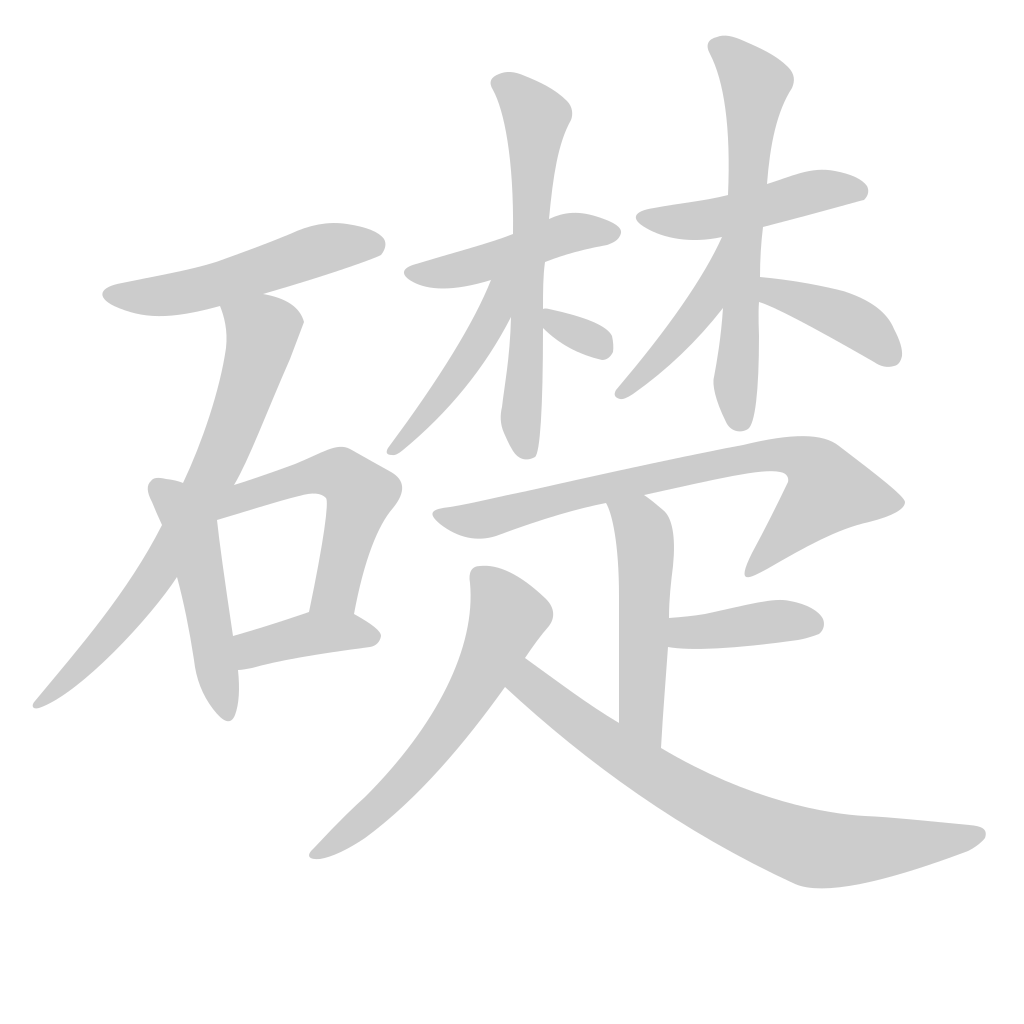
- ## 692 — 礎 (cornerstone, foundation stone) — 18 strokes
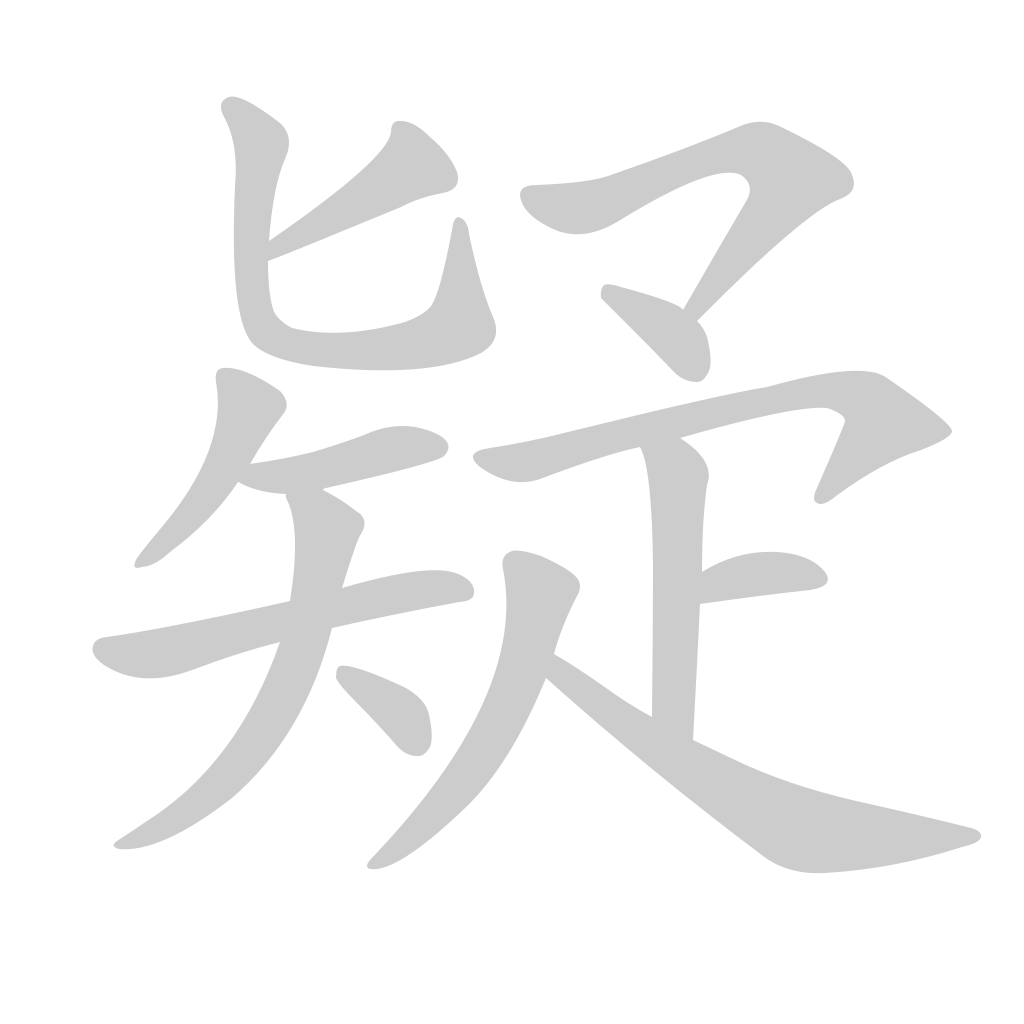
- ## 693 — 疑 (doubt, distrust, be suspicious) — 14 strokes
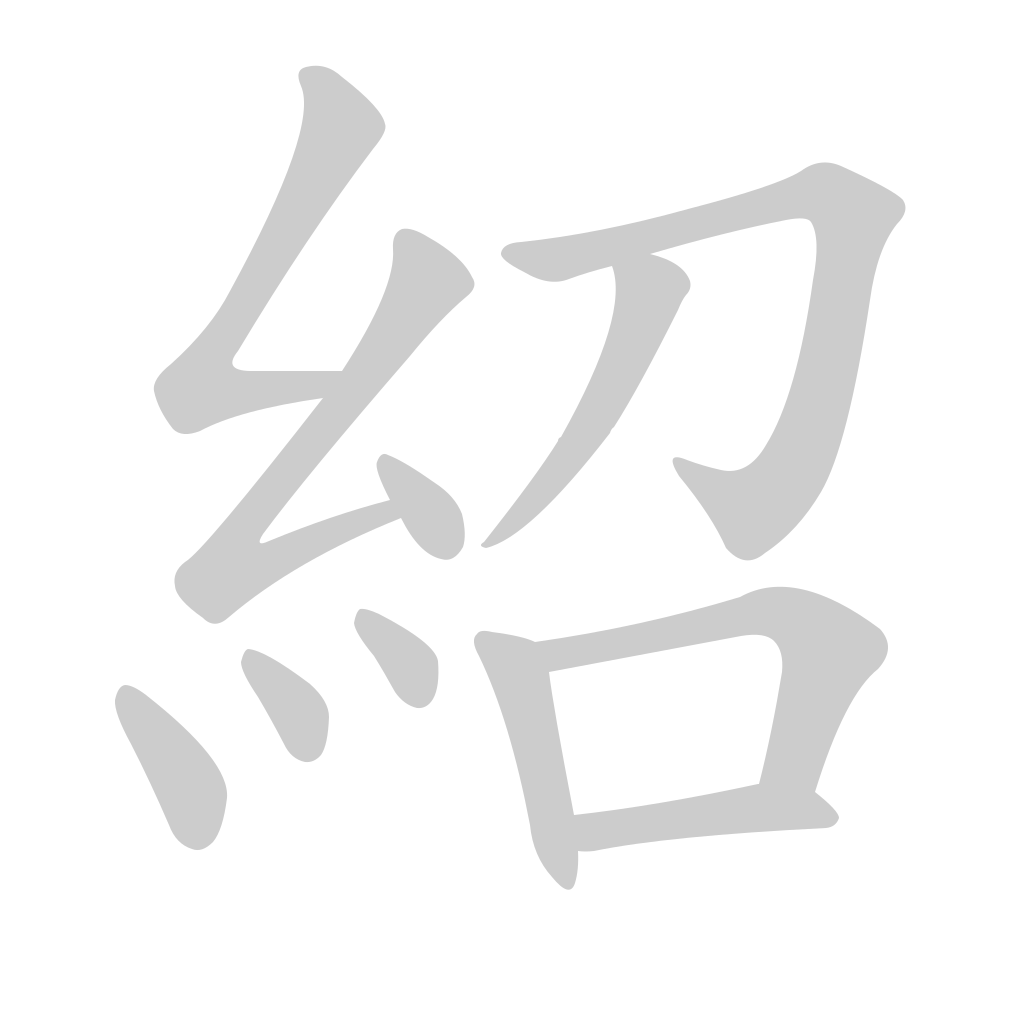
- ## 694 — 紹 (introduce, inherit, help) — 11 strokes
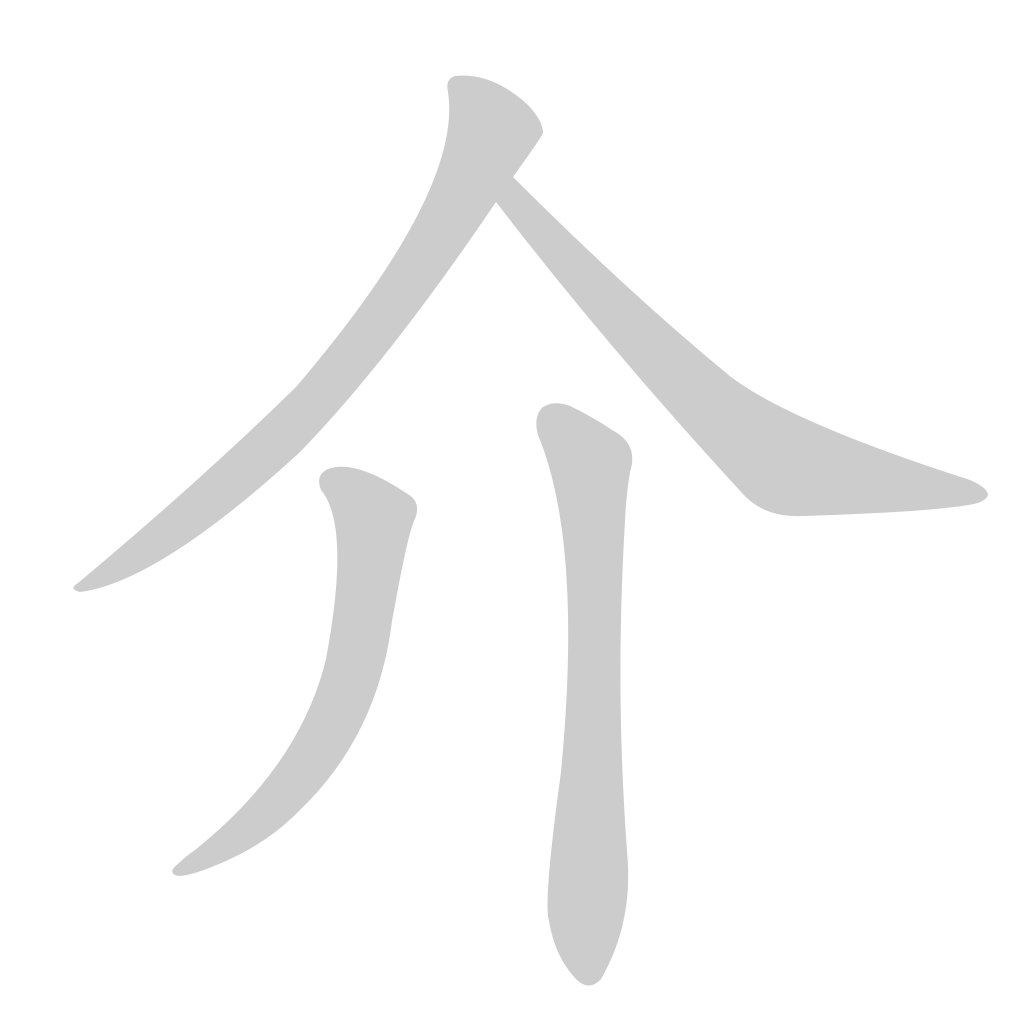
- ## 695 — 介 (jammed in, shellfish, mediate) — 4 strokes
- ## 696 — 招 (beckon, invite, summon) — 8 strokes
- # Stroke & Component Patterns in This Lesson
- # Phonetic Series Summary (also in the workbook, repeated here for reference)
- # Sources
Lesson 48 — Characters 685–696: 袋 製 制 誕 延 期 基 礎 疑 紹 介 招 Companion to Workbook. The workbook handles articles, vocabulary, study aids, and self-test. This file is the structural deep-dive — radicals, functional components (meaning/sound/form), stroke order, and shared-component patterns.
Quick Reference
| # | Kanji | Stroke Order | Strokes | Radical | Links |
|---|---|---|---|---|---|
| 685 | 袋 |  | 11 | ⾐ (clothing) | Jisho · AnimCJK |
| 686 | 製 |  | 14 | ⾐ (clothing) | Jisho · AnimCJK |
| 687 | 制 |  | 8 | ⼑ (knife) | Jisho · AnimCJK |
| 688 | 誕 |  | 15 | ⾔ (words) | Jisho · AnimCJK |
| 689 | 延 |  | 8 | ⼵ (to move) | Jisho · AnimCJK |
| 690 | 期 |  | 12 | ⽉ (moon) | Jisho · AnimCJK |
| 691 | 基 |  | 11 | ⼟ (earth) | Jisho · AnimCJK |
| 692 | 礎 |  | 18 | ⽯ (stone) | Jisho · AnimCJK |
| 693 | 疑 |  | 14 | ⽦ (bolt of cloth) | Jisho · AnimCJK |
| 694 | 紹 |  | 11 | ⽷ (thread) | Jisho · AnimCJK |
| 695 | 介 | 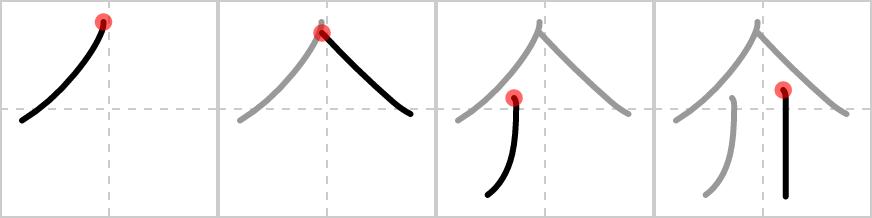 | 4 | ⼈ (person) | Jisho · AnimCJK |
| 696 | 招 |  | 8 | ⼿ (hand) | Jisho · AnimCJK |
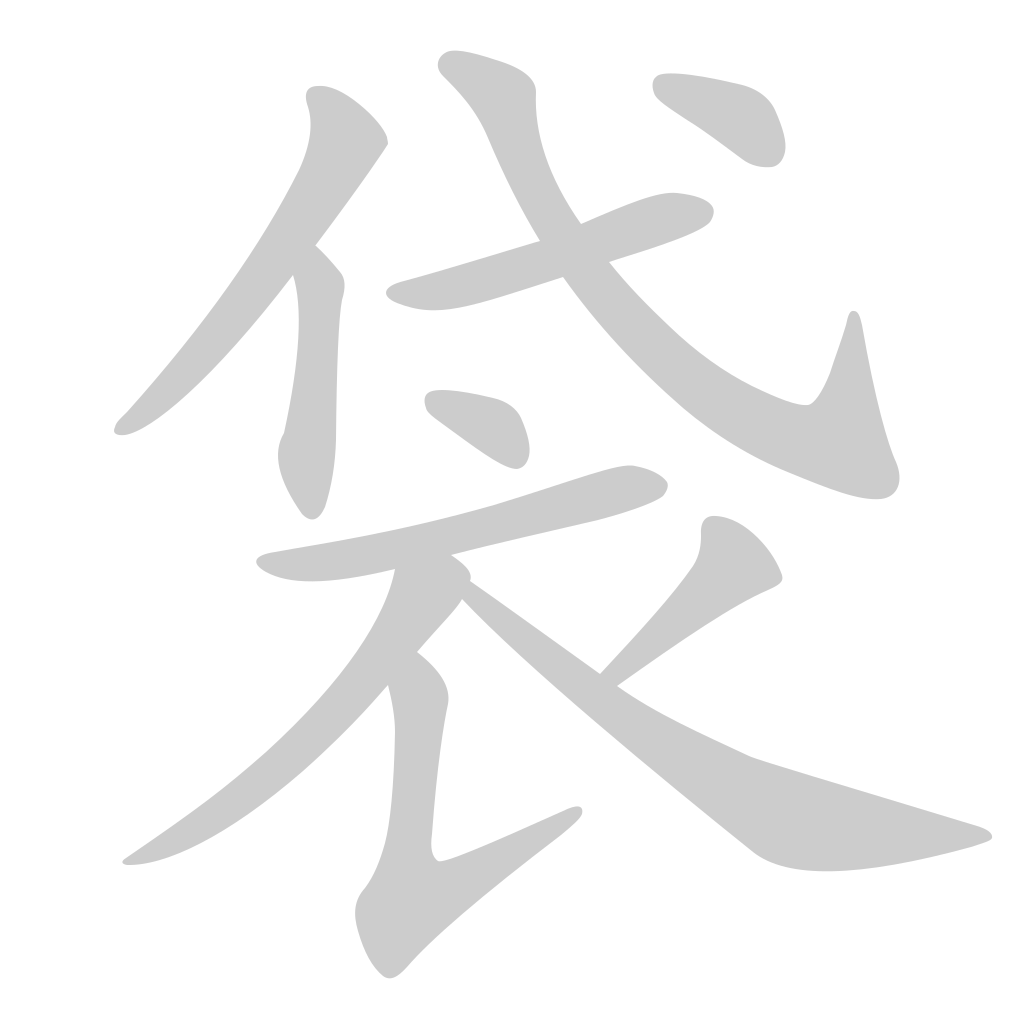
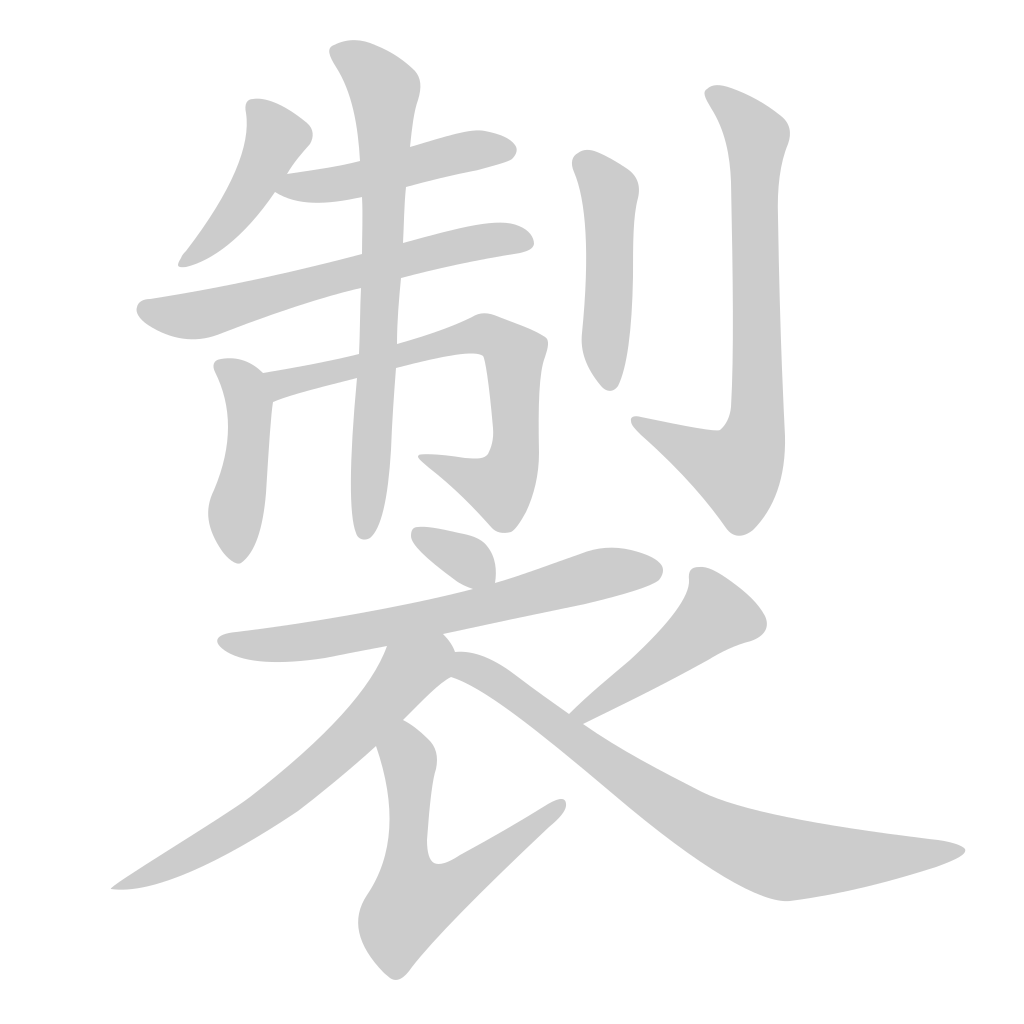
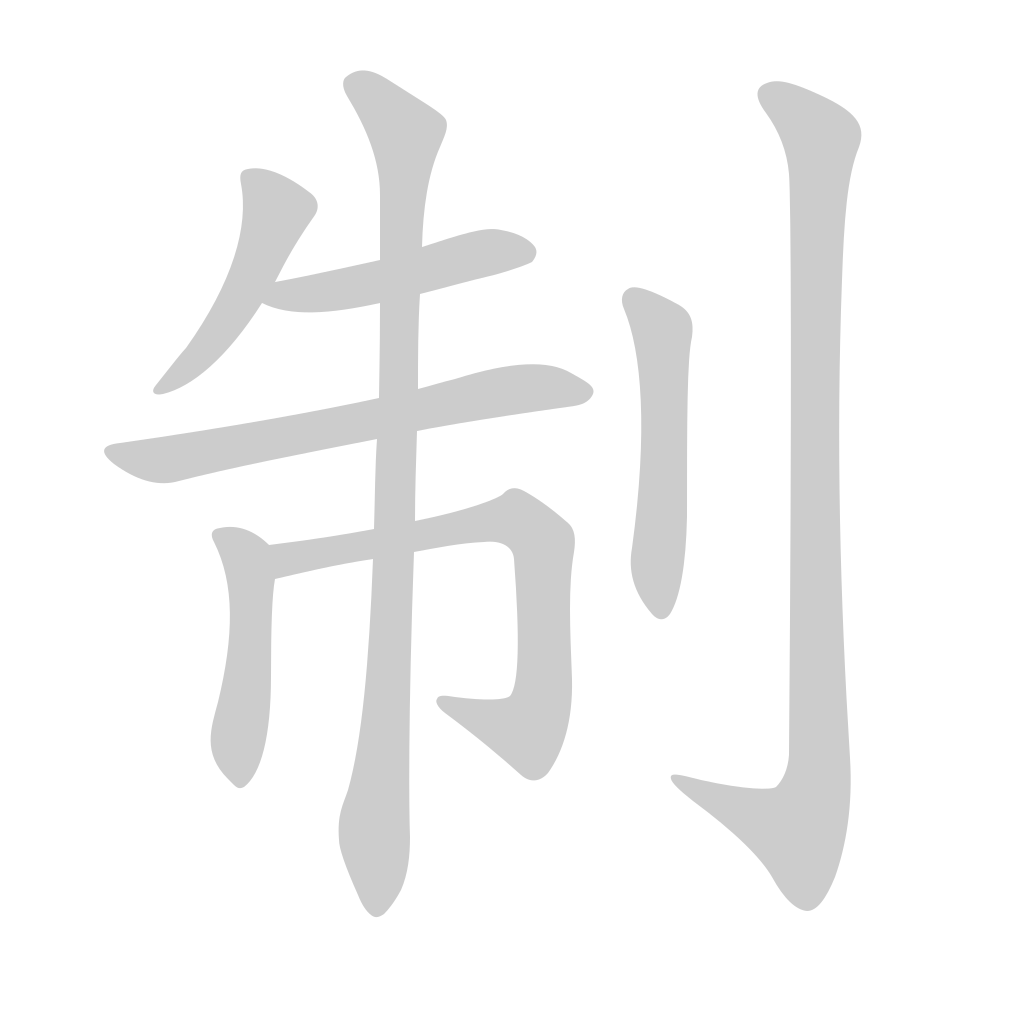
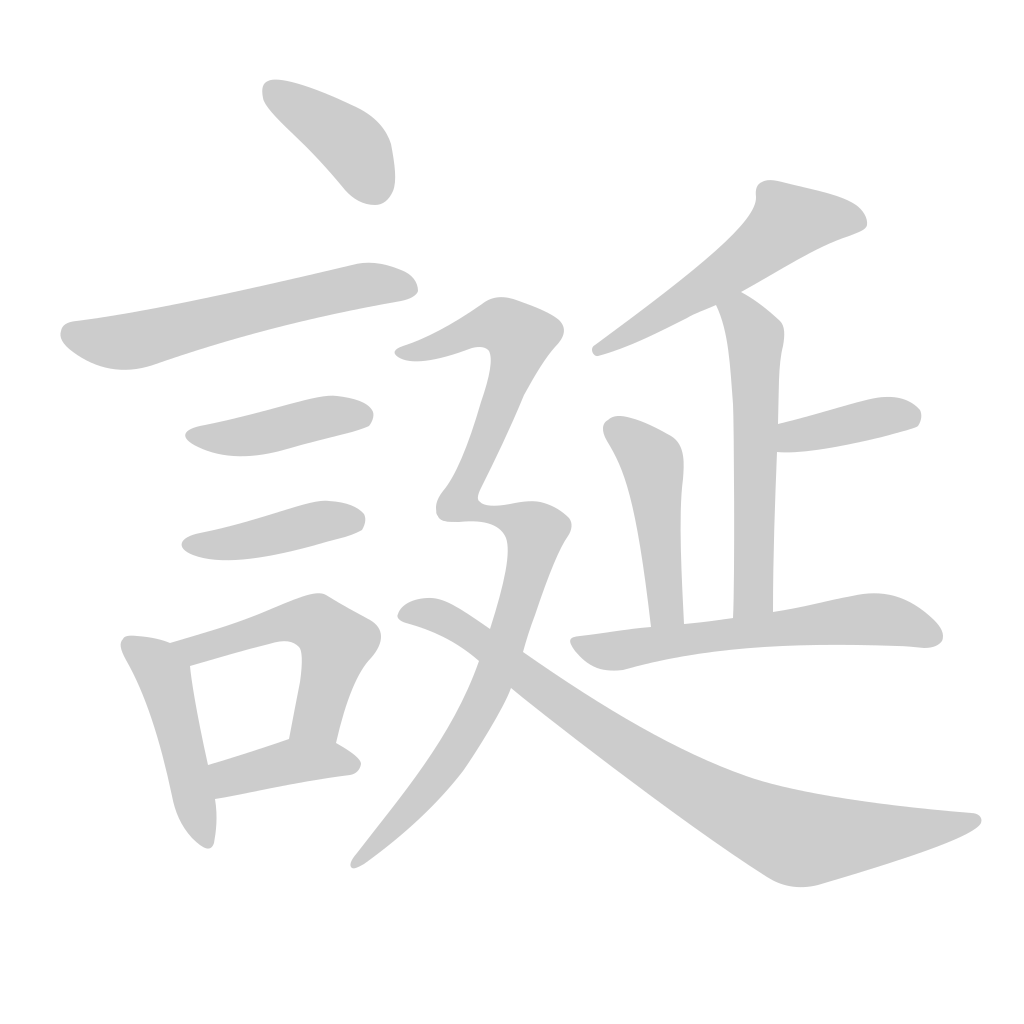
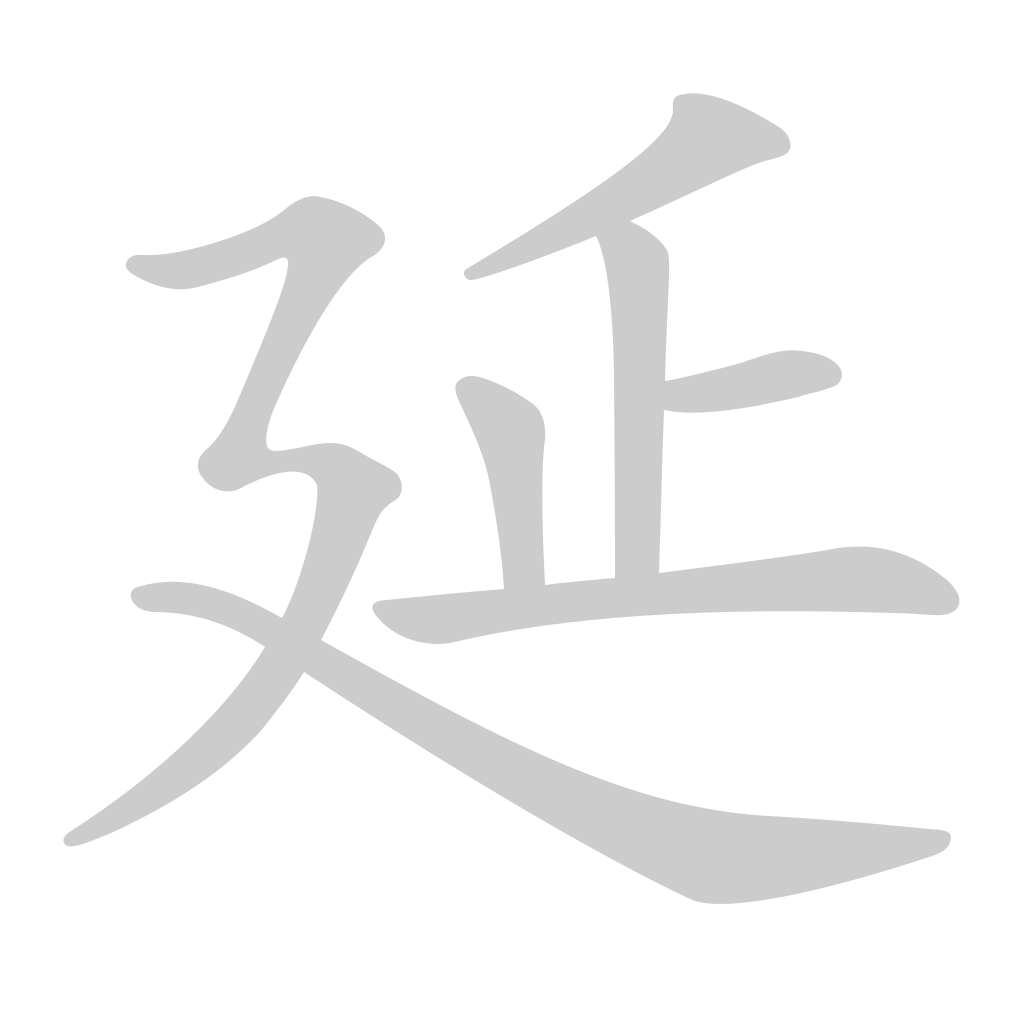
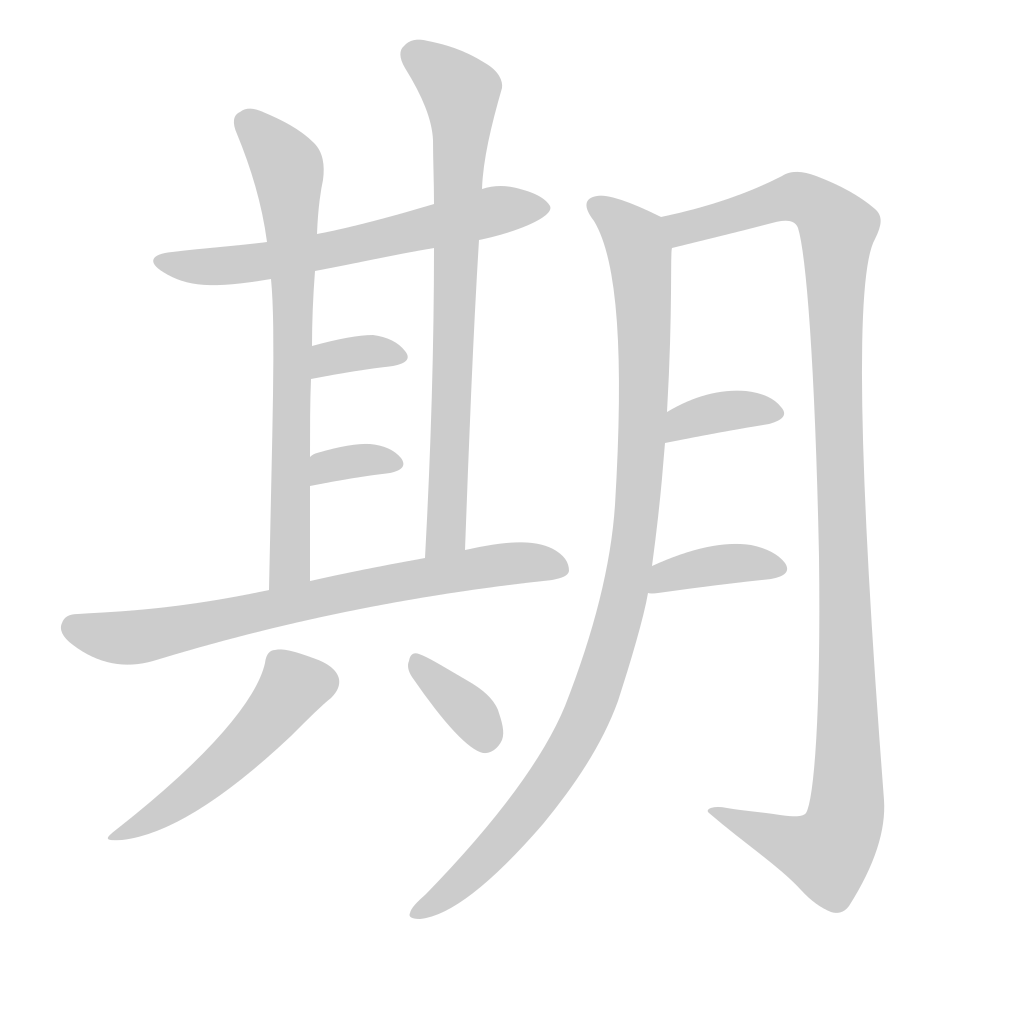
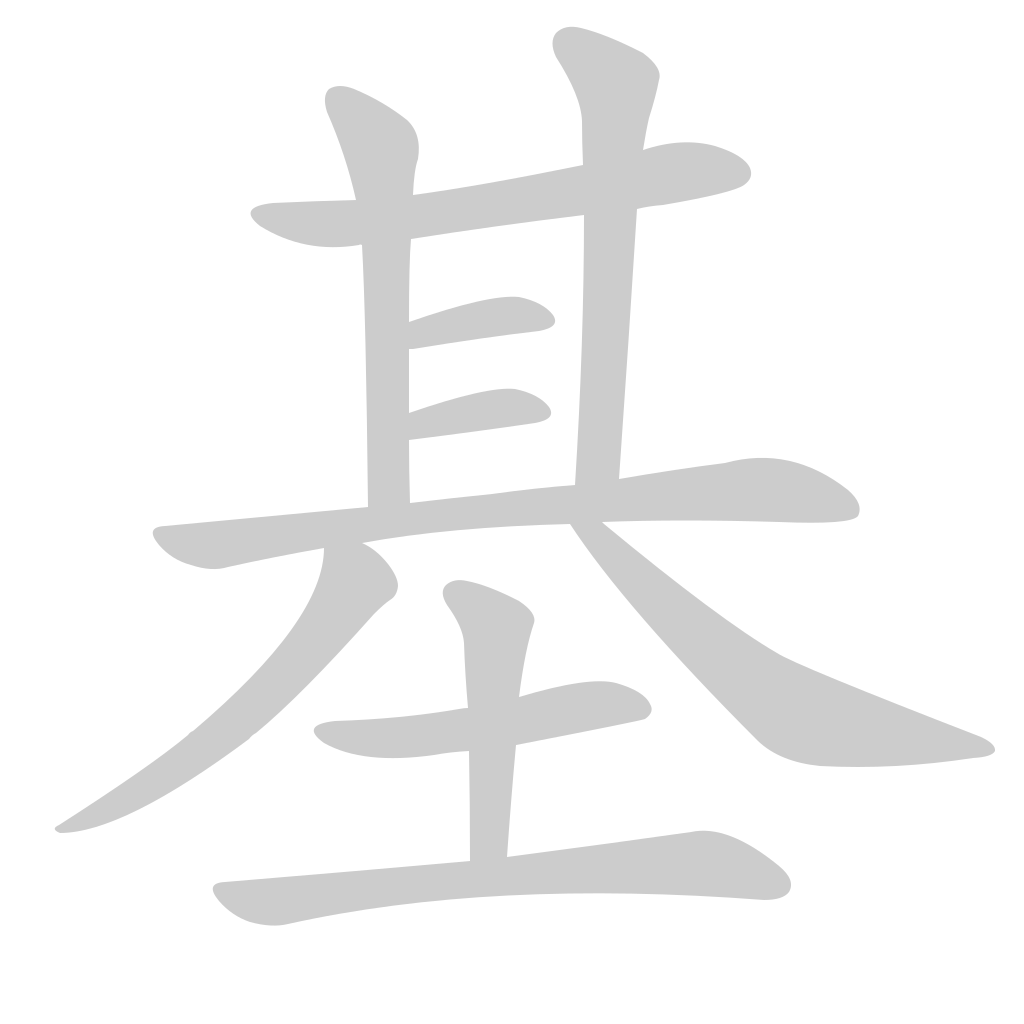
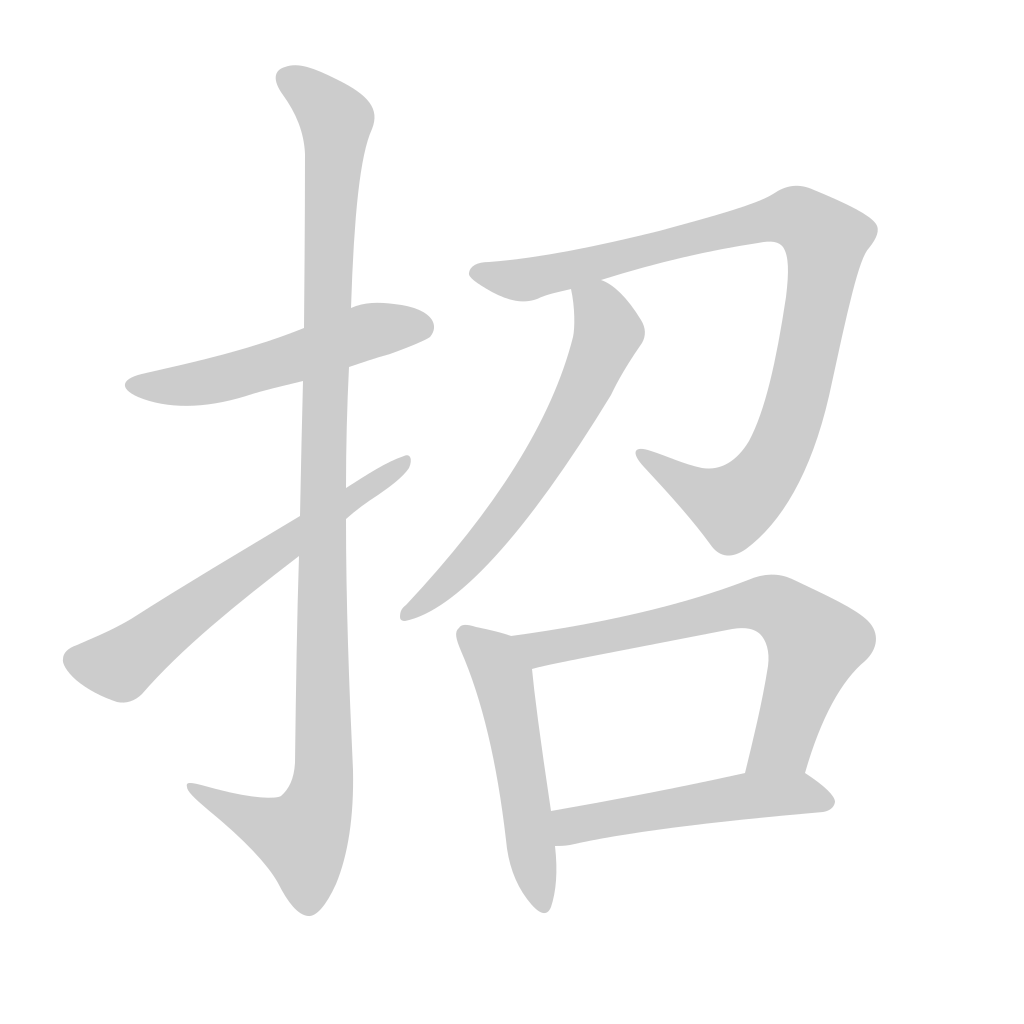
PNGs are generated from KanjiVG using
kanjivg-to-png, so each image shows the character being built stroke by stroke in panels. AnimCJK links open animated versions in a browser.
Per-Kanji Entries
685 — 袋 (sack, bag, pouch) — 11 strokes
Radical: ⾐ (ころも — "clothing") · 11 strokes total
Components & function — 形声 (phonosemantic)
- 代 (sound, top): 代【タイ・ダイ】→ 袋【タイ・ダイ】 ✓ — exact phonetic match
- 衣 (semantic, bottom): clothing/cloth → bags are flexible cloth containers
- The 衣 radical at the bottom is the canonical "clothing/material" semantic component, distinguishing 袋 from purely abstract 代 derivatives.
Stroke order
- Structure: top 代 (5 strokes — 亻 + 弋) → bottom 衣 (6 strokes)
- Watch: 代 first, completely, before starting 衣 below. The 衣 starts with the small dot at the top, then the horizontal, then the rest.
- Common error: writing 衣 as 𠆢+α — 衣 has 6 strokes including the curving sweep at the bottom-right; don't shortchange it.
686 — 製 (made in..., manufacture) — 14 strokes
Radical: ⾐ (ころも — "clothing") · 14 strokes total
Components & function — 形声 / 会意 (phonosemantic + ideographic)
- 制 (sound + meaning, top): 制【セイ】→ 製【セイ】 ✓ — and historically 制 ALSO carries the "regulate / make-by-cutting" meaning
- 衣 (semantic, bottom): clothing — the original word literally meant "to make clothes" before generalising to "manufacture"
- This is a layered phonosemantic where the upper component does double duty (sound + meaning), and the lower 衣 anchors the original concrete sense.
- Pair with 制: 製 IS 制 + 衣. Whenever you see 製, mentally factor it as "制 (system/cutting) + 衣 (clothes)" — the etymology is unusually transparent.
Stroke order
- Structure: top 制 (8 strokes) → bottom 衣 (6 strokes)
- Watch: complete 制 fully (including its right-side 刂) before starting 衣 below. 製 is one of the few characters where the top component is itself a complete kanji — write it as you would write 制 alone.
- Common error: putting 衣 first or interleaving — strict top-to-bottom only.
687 — 制 (system, law, rule) — 8 strokes
Radical: ⼑ (りっとう — "knife, sword") · つくり · 8 strokes total
Components & function — 会意 (compound ideograph)
- Left side (5 strokes): historically a tree that hasn't reached full form (未-like, with an extra horizontal)
- 刂 (right, knife/sword): cutting, regulating
- "Cutting an unfinished tree" → "regulating, controlling, establishing rules, system". The 刂 gives the concrete action; what's left is what gets regulated.
- Reading: セイ is conventional. 制 itself is the phonetic root for 製【セイ】 (Lesson 48 #686) — recognise it on sight.
Stroke order
- Structure: left component (5 strokes) → right 刂 (3 strokes — vertical, hook, then short stroke)
- Watch: the left side is NOT exactly 未 (not yet) or 末 (end) — there's an extra horizontal. Top-down: short slash, two horizontals, vertical, then the bottom horizontal that extends right.
- Common error: confusing the left with 未 or 末 — count the horizontals carefully.
688 — 誕 (nativity, be born, declension) — 15 strokes
Radical: ⾔ (ごんべん — "words, to speak, say") · へん · 15 strokes total
Components & function — 形声 (phonosemantic, with sound shift)
- 言 (semantic, left): speech / formal utterance — historically "to declare, proclaim a birth"
- 延 (sound, right): the phonetic series gives a reading shift エン → タン (irregular but recurring; same shift seen in some other 延-derived kanji)
- "Words declaring (a birth)" → "nativity, be born". The 言 anchors the announcement-of-birth sense.
- The reading タン doesn't match 延's modern エン on the surface — this is a known historical phonetic shift. Treat the reading as conventional rather than predictable.
Stroke order
- Structure: left 言 (7 strokes) → right 延 (8 strokes — 廴 wraps around 止 + 丿)
- Watch: 言 first — short top stroke, broad horizontal, three short horizontals, 口 at the bottom. Then 延 on the right: top dot, horizontals, 止-like component, and finally the 廴 sweep that wraps to the right.
- Common error: drawing 廴 first or merging it with the inner strokes of 延 — the 廴 swooping bottom-right is always the LAST stroke of 延.
689 — 延 (prolong, stretching) — 8 strokes
Radical: ⼵ (えんにょう — "to move, stretch") · にょう · 8 strokes total
Components & function — 会意 (compound ideograph)
- 廴 (radical, えんにょう): a long stride / extending motion
- 止 (foot, inner): stopping or arriving
- 丿 (corruption of an early body part)
- "A foot moving along an extending path" → "to prolong, stretch out, postpone". The 廴 supplies the extension motion; what's inside is what's being moved/extended.
- Reading: エン is conventional. 延 itself acts as a sound component for 誕 (with shift エン→タン).
Stroke order
- Structure: top dot → horizontal → inner strokes (止-derived) → 廴 sweeping out at the bottom-right
- Watch: standard にょう pattern — write everything inside FIRST, then 廴 wraps around as the final stroke. Never start with 廴.
- Common error: inserting 廴 in the middle of the inside strokes — keep 廴 strictly last.
690 — 期 (period, time, date) — 12 strokes
Radical: ⽉ (つき — "moon, month, period") · 12 strokes total
Components & function — 形声 (phonosemantic)
- 其 (sound, left): 其【キ】→ 期【キ】 ✓ — exact phonetic match
- 月 (semantic, right): moon → time period (the moon's cycle is the natural unit of "month/period")
- Pair with 基 (Lesson 48 #691): both share 其【キ】. 期 has 月 (time); 基 has 土 (foundation). Same sound, different stage of meaning.
Stroke order
- Structure: left 其 (8 strokes — 廾 cap, 目 frame, 八 base) → right 月 (4 strokes)
- Watch: 其 left side first, completely; then 月 on the right. The 月 is just 4 strokes (left vertical, top-and-right corner, two inner horizontals).
- Common error: switching the order so 月 comes first — Japanese left-to-right convention puts 其 first.
691 — 基 (fundamentals, radical (chem), counter for machines) — 11 strokes
Radical: ⼟ (つち — "earth") · 11 strokes total
Components & function — 形声 (phonosemantic)
- 其 (sound, top): 其【キ】→ 基【キ】 ✓ — exact phonetic match (same as 期)
- 土 (semantic, bottom): earth, ground → foundation, basis
- Pair with 期 (Lesson 48 #690): both share 其【キ】. 期 has 月 (time); 基 has 土 (foundation/earth). Same sound, different concrete domain.
Stroke order
- Structure: top 其 (8 strokes) → bottom 土 (3 strokes)
- Watch: 其 fully on top first, then 土 below. 土's three strokes are: short horizontal, vertical, longer bottom horizontal.
- Common error: writing 土 as 士 (warrior — same shape but second horizontal is longer than the first; 土's BOTTOM is longer).
692 — 礎 (cornerstone, foundation stone) — 18 strokes
Radical: ⽯ (いしへん — "stone") · へん · 18 strokes total
Components & function — 形声 (phonosemantic)
- 石 (semantic, left): stone, rock — foundation stones laid at the corner of a building
- 楚 (sound, right): 楚【ソ】→ 礎【ソ】 ✓ — exact phonetic match (rare component, but the series is reliable)
- The 石 anchors "stone"; the 楚 supplies the sound. Combined: "the foundation stone laid at the cornerstone of a structure".
- Pair with 基: 基礎 (きそ) is the standard compound — 基 = abstract foundation, 礎 = concrete cornerstone. Together: "the foundational basis".
Stroke order
- Structure: left 石 (5 strokes) → right 楚 (13 strokes — 林 over 疋)
- Watch: 石 first (top horizontal, slash, 口). Then 楚: top 林 (8 strokes — two 木 side by side), then 疋 (5 strokes) at the bottom.
- Common error: this is a high-stroke kanji (18 total). Pace yourself; don't rush 林 — each 木 needs its full 4 strokes.
693 — 疑 (doubt, distrust, be suspicious) — 14 strokes
Radical: ⽦ (ひき — "bolt of cloth") · 14 strokes total
Components & function — 会意 (compound ideograph) (structure debated)
- 㠯 (top-left): historically a person turning back at a crossroads
- 矢 (top-right): arrow
- 龰 / 疋 (bottom): foot
- The composite picture: a hesitant person at a junction, with arrow and foot — uncertain which way to go → "doubt, suspicion, hesitation"
- ⚠️ The radical is 疋 (bolt of cloth, ひき) but this is a dictionary filing convention rather than a meaning component — 疋 here is functioning as the "foot" element, not as cloth.
- Reading ギ is conventional; no clean phonetic series.
Stroke order
- Structure: top-left component (small 㠯-like shape, 4 strokes) → top-right 矢 (5 strokes) → bottom 疋 (5 strokes)
- Watch: top-left first (small angled strokes), THEN top-right 矢, THEN bottom. The reading order is roughly top-left → top-right → bottom, NOT strict left-to-right across.
- Common error: starting with 矢 — 疑's true first strokes are the small top-left component. Refer to the stroke-order PNG carefully.
694 — 紹 (introduce, inherit, help) — 11 strokes
Radical: ⽷ (いとへん — "thread") · へん · 11 strokes total
Components & function — 形声 (phonosemantic)
- 糸 (semantic, left): thread → connecting/binding/linking
- 召 (sound, right): 召【ショウ】→ 紹【ショウ】 ✓ — exact phonetic match
- "A thread that summons-and-links" → "to introduce, present, connect people". The 糸 emphasises the relational-binding sense; the 召 contributes both the sound and the calling/inviting nuance.
- Pair with 招 (Lesson 48 #696): both share 召【ショウ】. 紹 has 糸 (thread → link); 招 has 扌 (hand → beckon). Same sound, different mechanism.
Stroke order
- Structure: left 糸 (6 strokes) → right 召 (5 strokes — 刀 over 口)
- Watch: 糸 first — top-down: small slash, two angled cross-strokes, then the bottom three small strokes. Then 召: 刀 (knife) on top, 口 below.
- Common error: confusing 召's top with 𠂉 alone — 召 has a full 刀 (knife) shape, with the curving stroke that wraps right.
695 — 介 (jammed in, shellfish, mediate) — 4 strokes
Radical: ⼈ (ひとやね — "person ") · かんむり · 4 strokes total
Components & function — 象形 (pictographic) / 会意
- 𠆢 (top): roof/cover or a person
- 八 (bottom-derived, two short strokes): the body/shellfish split
- Composite picture: a person (or shellfish shape) wedged between two things → "jammed in, mediating, intervening". The "shellfish" sense comes from the visual resemblance to a bivalve.
- Reading カイ is conventional. 介 is itself a phonetic root in some characters (e.g. 界 — different kanji).
- Visual confusion alert: 介 (4 strokes) vs 界 (9 strokes — different character entirely, has 田 + 介 below).
Stroke order
- Structure: just 4 strokes — 𠆢 (2: slash + slash) → two short strokes below (one slanting left-down, one slanting right-down)
- Watch: the bottom two strokes are angled outward like 八, NOT vertical. They start higher than they end.
- Common error: extending the bottom strokes too low so they look like full 八 — keep them short and contained under the 𠆢.
696 — 招 (beckon, invite, summon) — 8 strokes
Radical: ⼿ (てへん — "hand") · へん · 8 strokes total
Components & function — 形声 (phonosemantic)
- 扌 (semantic, left): hand → physical action of beckoning/inviting
- 召 (sound + meaning, right): 召【ショウ】→ 招【ショウ】 ✓ — and 召 itself means "to summon, call" (the 刀 = knife/cutting + 口 = mouth/voice → calling)
- "Hand-summoning" → "to invite, beckon, summon (someone over)". Both components contribute to meaning, but 召 supplies the sound.
- Pair with 紹 (Lesson 48 #694): both share 召【ショウ】. 招 has 扌 (hand → beckon); 紹 has 糸 (thread → introduce). Active beckoning vs relational linking.
Stroke order
- Structure: left 扌 (3 strokes — short horizontal, vertical with hook, then a small dot) → right 召 (5 strokes — 刀 over 口)
- Watch: 扌 first. Then 召: 刀 (2 strokes — slash, then horizontal with hook curving right) on top, 口 (3 strokes) below.
- Common error: 扌's first stroke is short, NOT a full horizontal — it's the angled top mark. Distinct from 才 (talent) which has a longer top horizontal.
Stroke & Component Patterns in This Lesson
其 cluster — 期 基
Two of twelve kanji share 其【キ】as their sound component. The right-side / bottom component changes the meaning:
| Kanji | 其 position | Other component | Meaning |
|---|---|---|---|
| 期 | left | 月 (right) — moon/time | period, time-span |
| 基 | top | 土 (bottom) — earth | foundation, basis |
The 其 itself (8 strokes) is dense — drill it once and both kanji become routine.
召 cluster — 紹 招
Two more share 召【ショウ】(itself meaning "summon, call"). The semantic-radical position differs but both place 召 on the right:
| Kanji | Radical | Mechanism |
|---|---|---|
| 紹 | 糸 (thread) on left | introduce/connect via a relational link |
| 招 | 扌 (hand) on left | invite/beckon via a physical gesture |
Practice 召 (5 strokes — 刀 over 口) once; both kanji's right side is then identical.
制 → 製 (the layered phonetic)
製 is literally 制 + 衣 (clothing). 制 supplies BOTH the sound (セイ) AND a meaning component (regulate/cut). When you write 製, mentally factor it as "write 制, then add 衣 underneath". This is one of the most transparent phonosemantic constructions in the joyo set — exploit it.
衣 cluster — 袋 製
Both have 衣 as the bottom (semantic) component. 衣 is 6 strokes — top dot, broad horizontal, then the four-stroke body. It's a recurrent radical for "cloth/clothing/material" kanji.
にょう trap — 延
延 is the only にょう-radical kanji in this lesson (廴 = えんにょう). The rule: write everything INSIDE 廴 first, then 廴 wraps as the FINAL stroke. Same rule as 巡 from Lesson 44 (辶 = しんにょう). Don't lead with the wrap.
Phonetic Series Summary (also in the workbook, repeated here for reference)
| Sound Component | Reading | In This Lesson | Other Common Kanji |
|---|---|---|---|
| 其 | キ | 期, 基 | 棋 (chess), 旗 (flag) |
| 召 | ショウ | 紹, 招 | 沼 (swamp), 昭 (clear/bright) |
| 制 | セイ | 制, 製 | (制 is itself the phonetic in 製) |
| 楚 | ソ | 礎 | (rare component) |
| 代 | タイ / ダイ | 袋 | 代 itself, 貸 (lend), 袋's reading exact |
💡 Lesson highlight: Three clean phonetic pairs in eleven kanji — exceptional density. 期 & 基 both share 其【キ】; 紹 & 招 both share 召【ショウ】; and 製 is literally 制 with 衣 underneath, sharing both glyph and reading セイ.
Etymological decompositions are simplified for study purposes. For rigorous functional analysis, see the Outlier Kanji Dictionary (iOS/Android via Pleco). Free sources used: Wiktionary JP, Kanji Alive, on'yomi cross-referencing via WWWJDIC.
Sources
- KanjiVG — github.com/KanjiVG/kanjivg | License: CC-BY-SA 3.0
- kanjivg-to-png — github.com/nicdgonzalez/kanjivg-to-png
- AnimCJK — github.com/parsimonhi/animCJK | License: Arphic Public License
- Jisho.org — jisho.org | Uses KanjiVG data for stroke order diagrams.
- Outlier Linguistics — outlier-linguistics.com | The Outlier Kanji Dictionary is the gold standard for rigorous functional component analysis.