KIC Lesson 45 Stroke Order
Table of Contents
- # Quick Reference
-
# Per-Kanji Stroke Notes
- ## 653 — 慢 (arrogant / slow) — 14 strokes
- ## 654 — 情 (feeling) — 11 strokes
- ## 655 — 慣 (habit) — 14 strokes
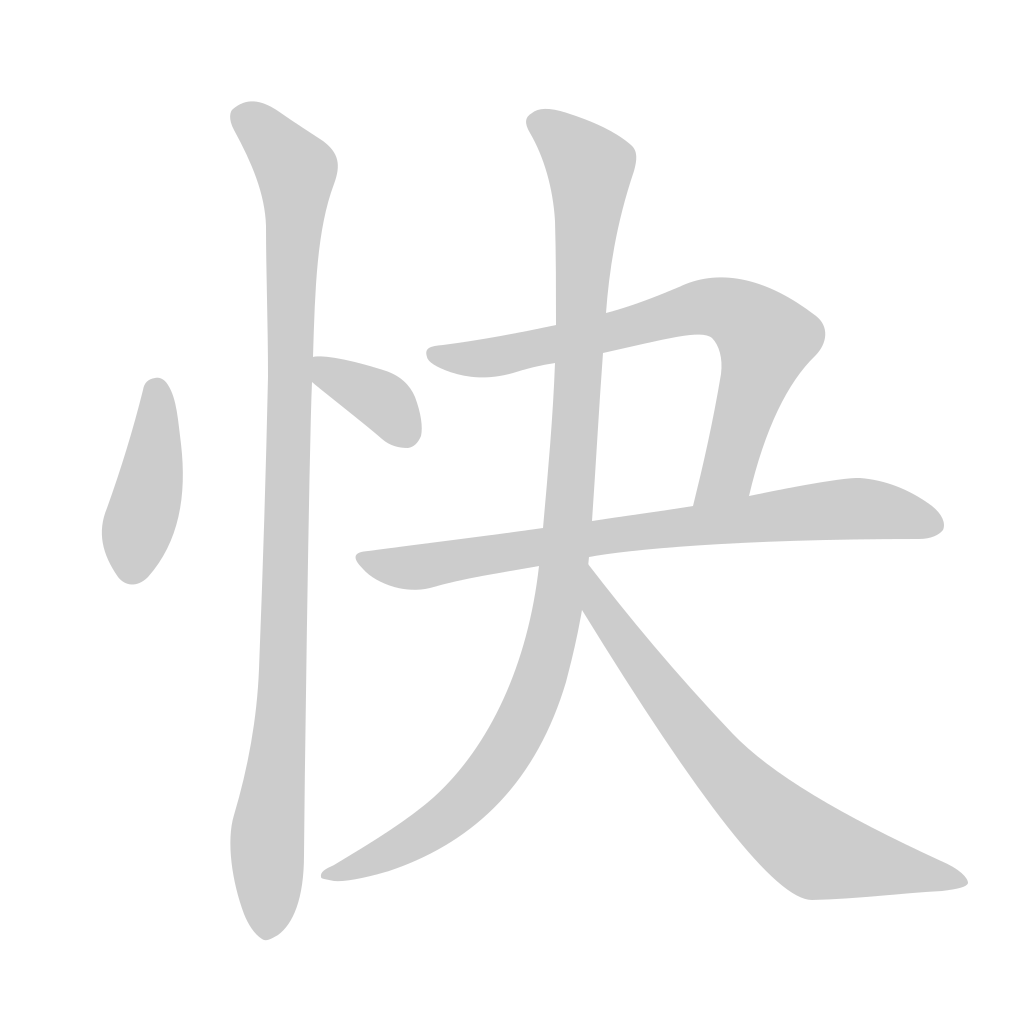
- ## 656 — 快 (pleasant) — 7 strokes
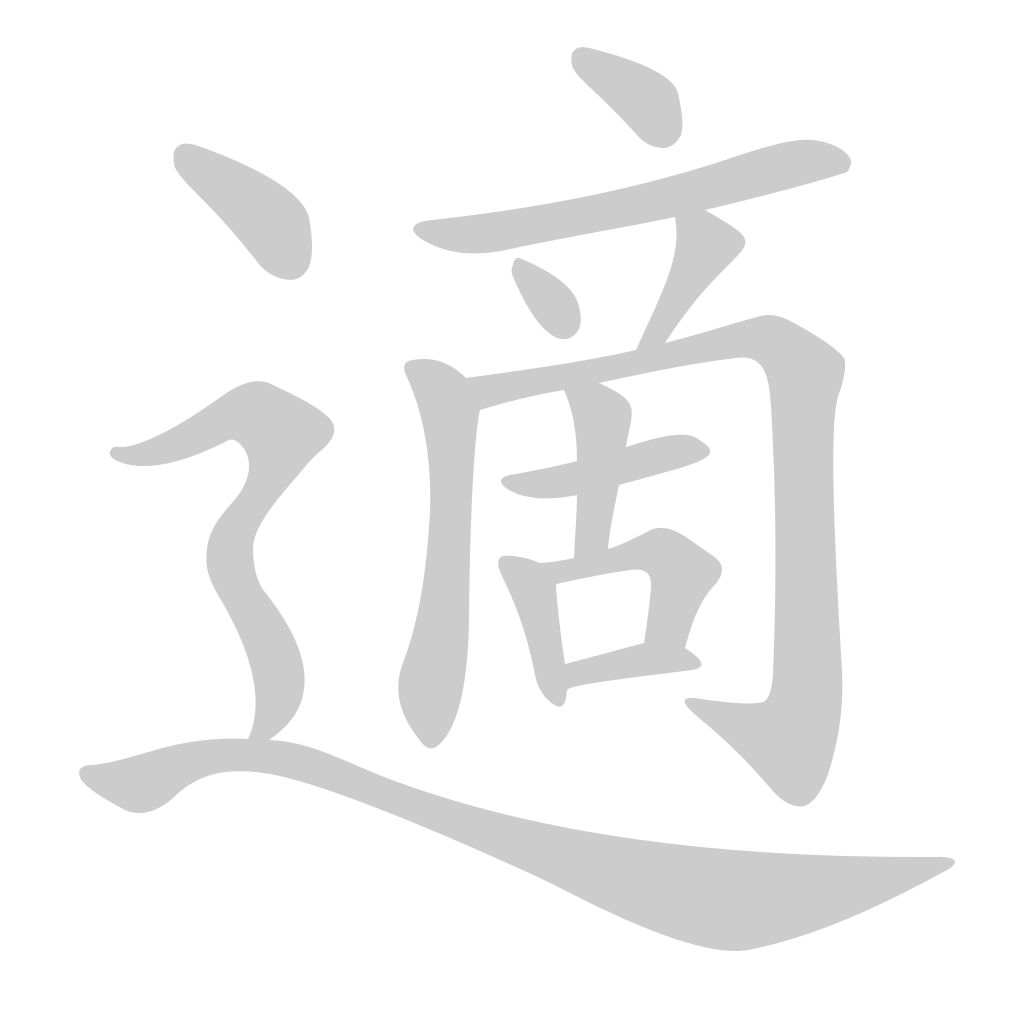
- ## 657 — 適 (suitable) — 14 strokes
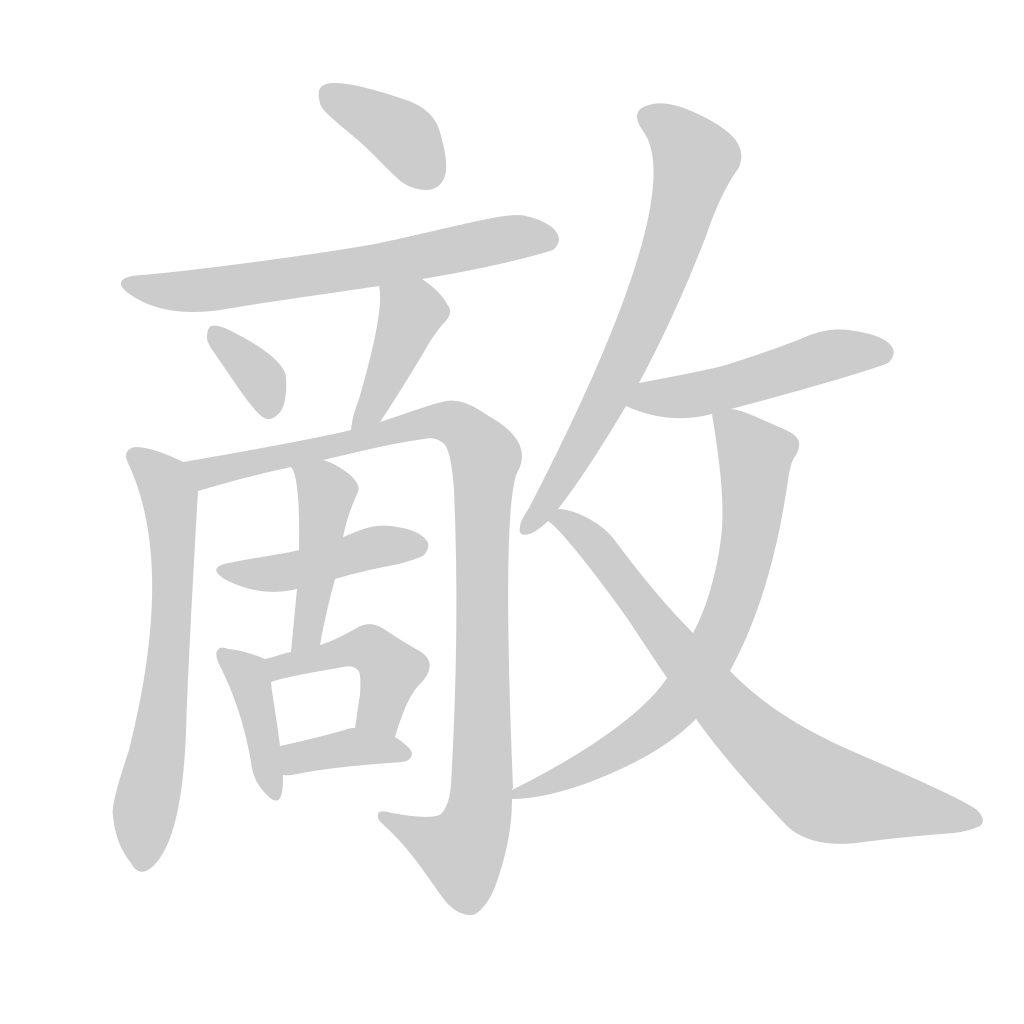
- ## 658 — 敵 (enemy) — 15 strokes
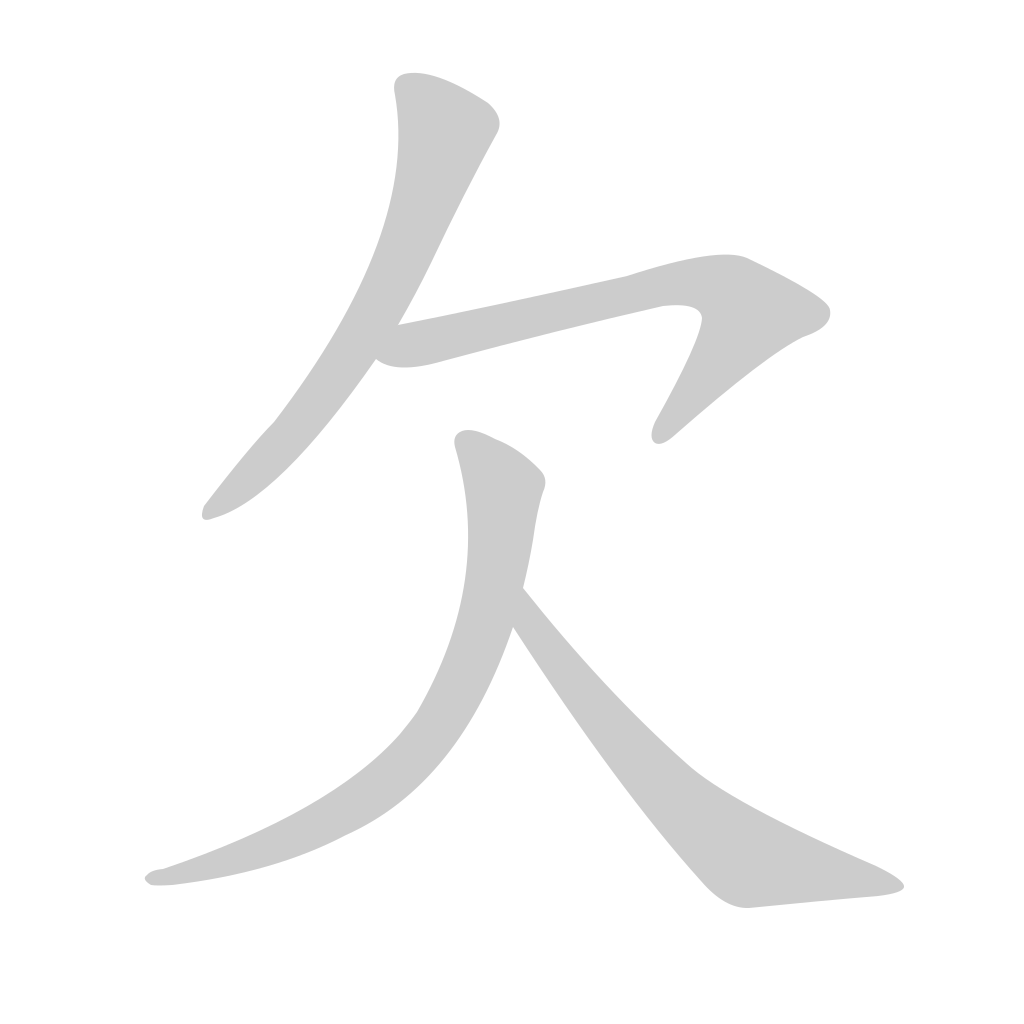
- ## 659 — 欠 (lack / yawn) — 4 strokes
- ## 660 — 次 (next) — 6 strokes
- ## 661 — 姿 (figure) — 9 strokes
- ## 662 — 冷 (cold) — 7 strokes
- # Stroke Patterns in This Lesson
- # Sources
Lesson 45 — Characters 653–662: 慢 情 慣 快 適 敵 欠 次 姿 冷 Companion file to Workbook
Quick Reference
| # | Kanji | Stroke Order | Strokes | Links |
|---|---|---|---|---|
| 653 | 慢 |  | 14 | Jisho · AnimCJK |
| 654 | 情 |  | 11 | Jisho · AnimCJK |
| 655 | 慣 |  | 14 | Jisho · AnimCJK |
| 656 | 快 |  | 7 | Jisho · AnimCJK |
| 657 | 適 |  | 14 | Jisho · AnimCJK |
| 658 | 敵 |  | 15 | Jisho · AnimCJK |
| 659 | 欠 | 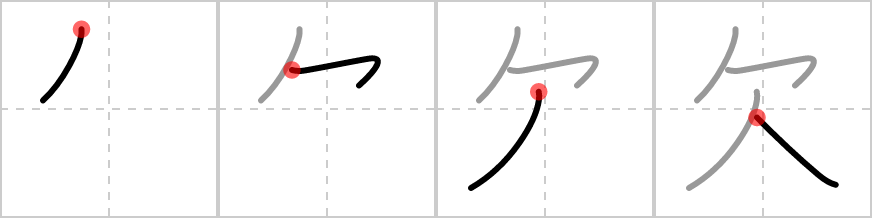 | 4 | Jisho · AnimCJK |
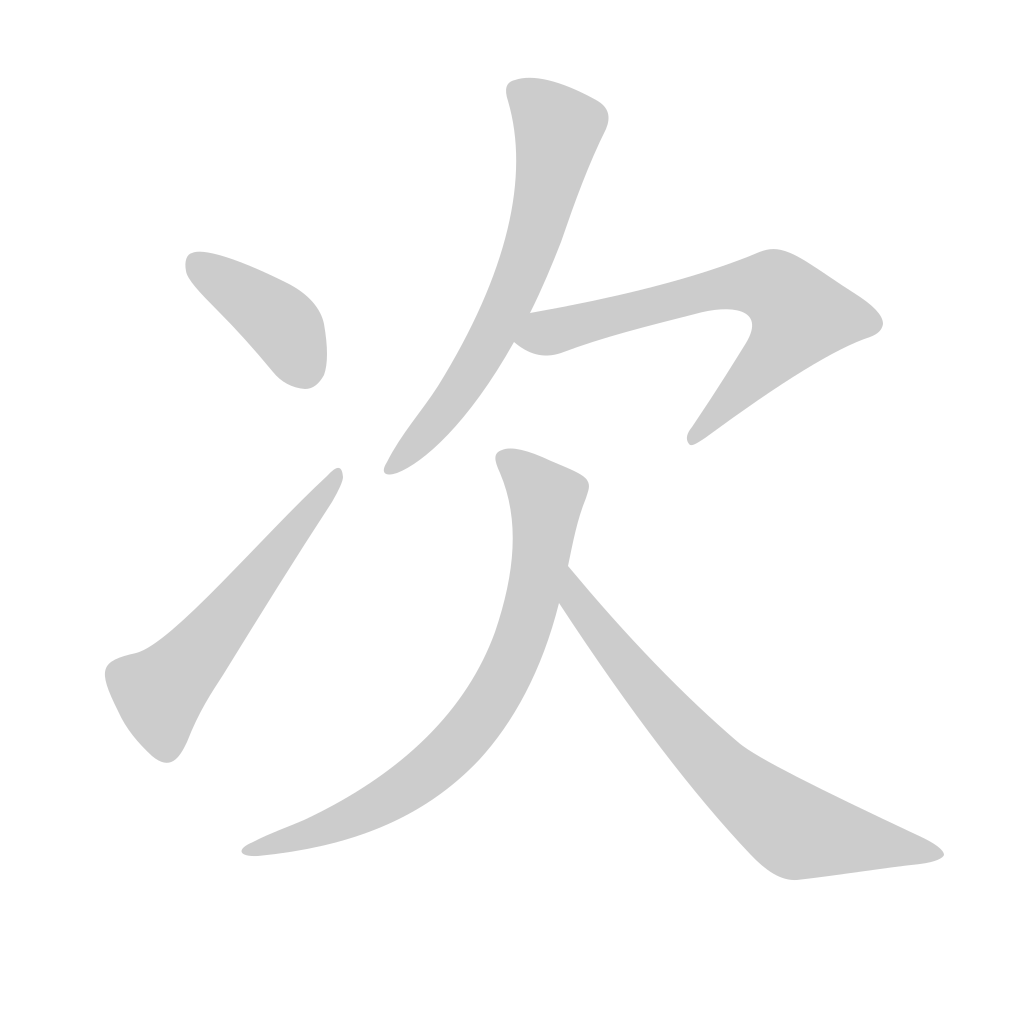
| 660 | 次 |  | 6 | Jisho · AnimCJK |
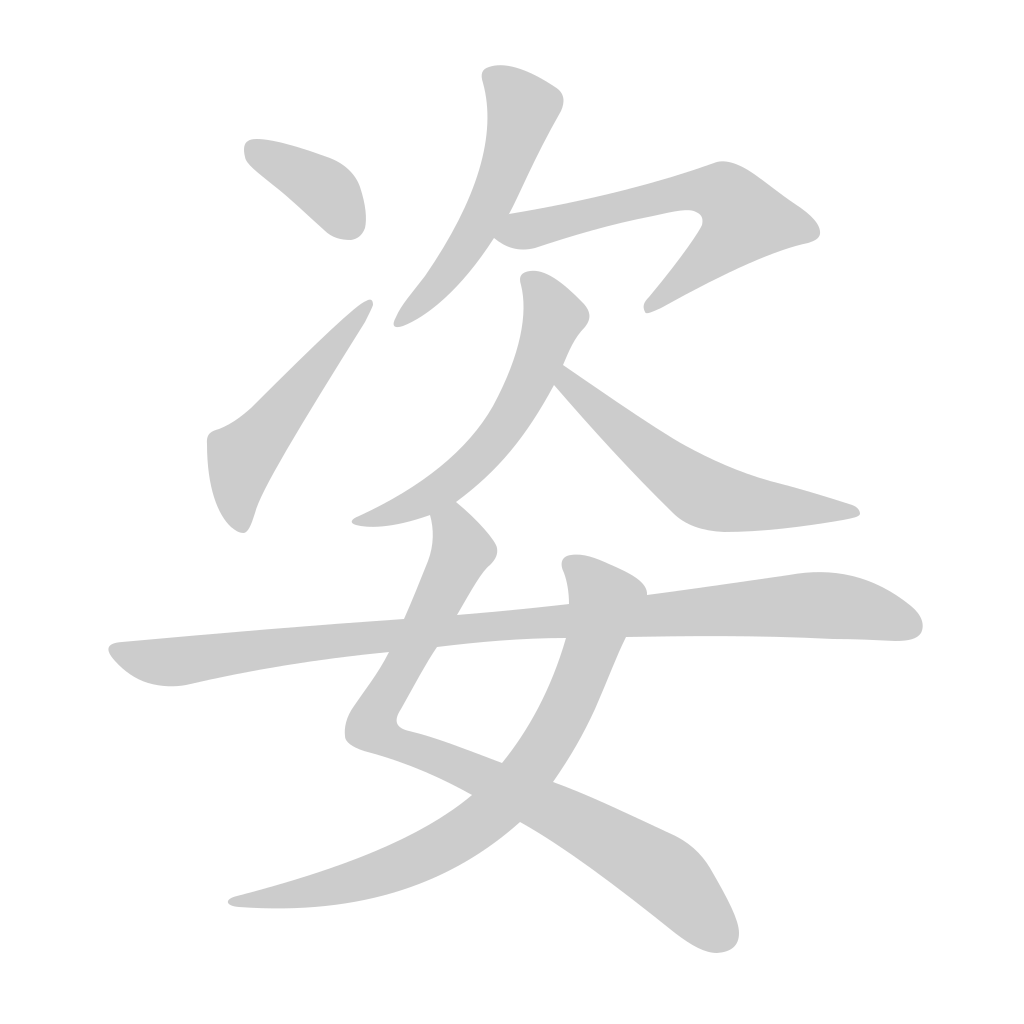
| 661 | 姿 |  | 9 | Jisho · AnimCJK |
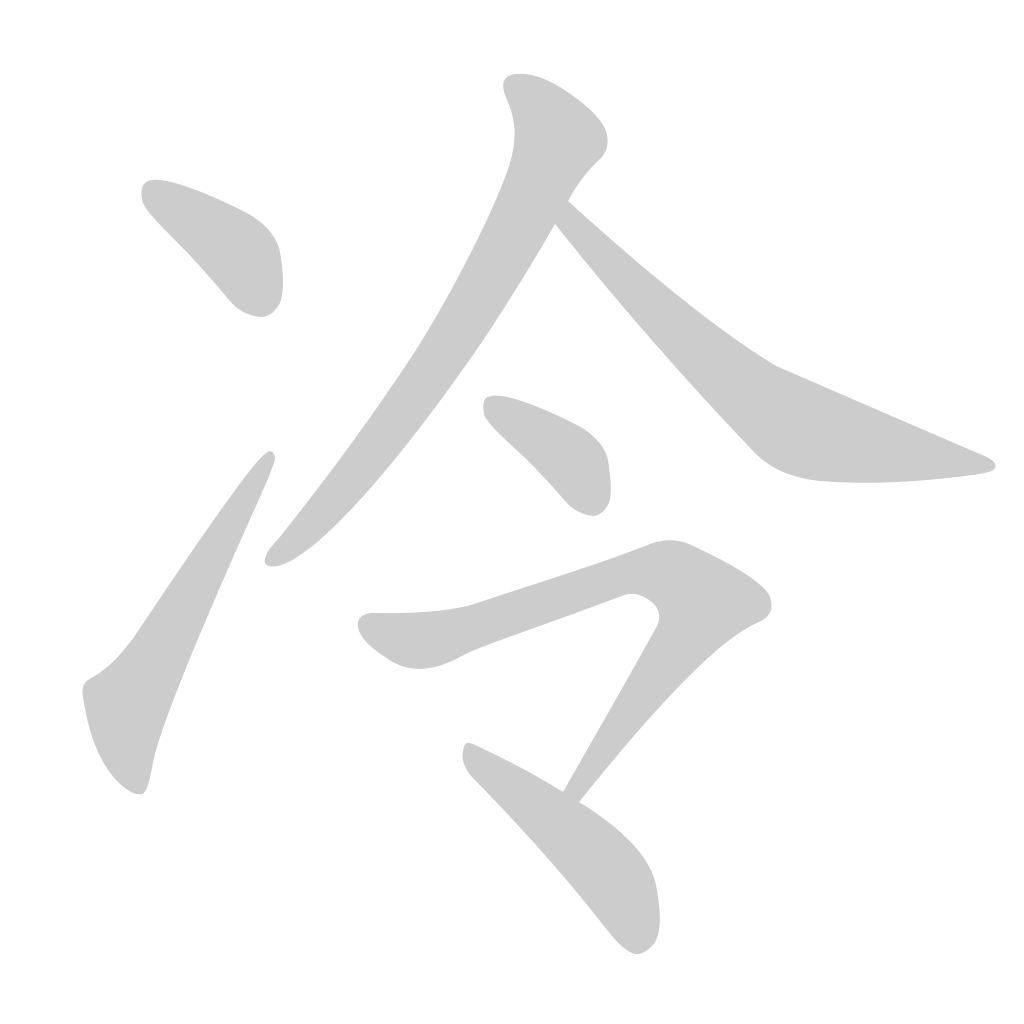
| 662 | 冷 |  | 7 | Jisho · AnimCJK |
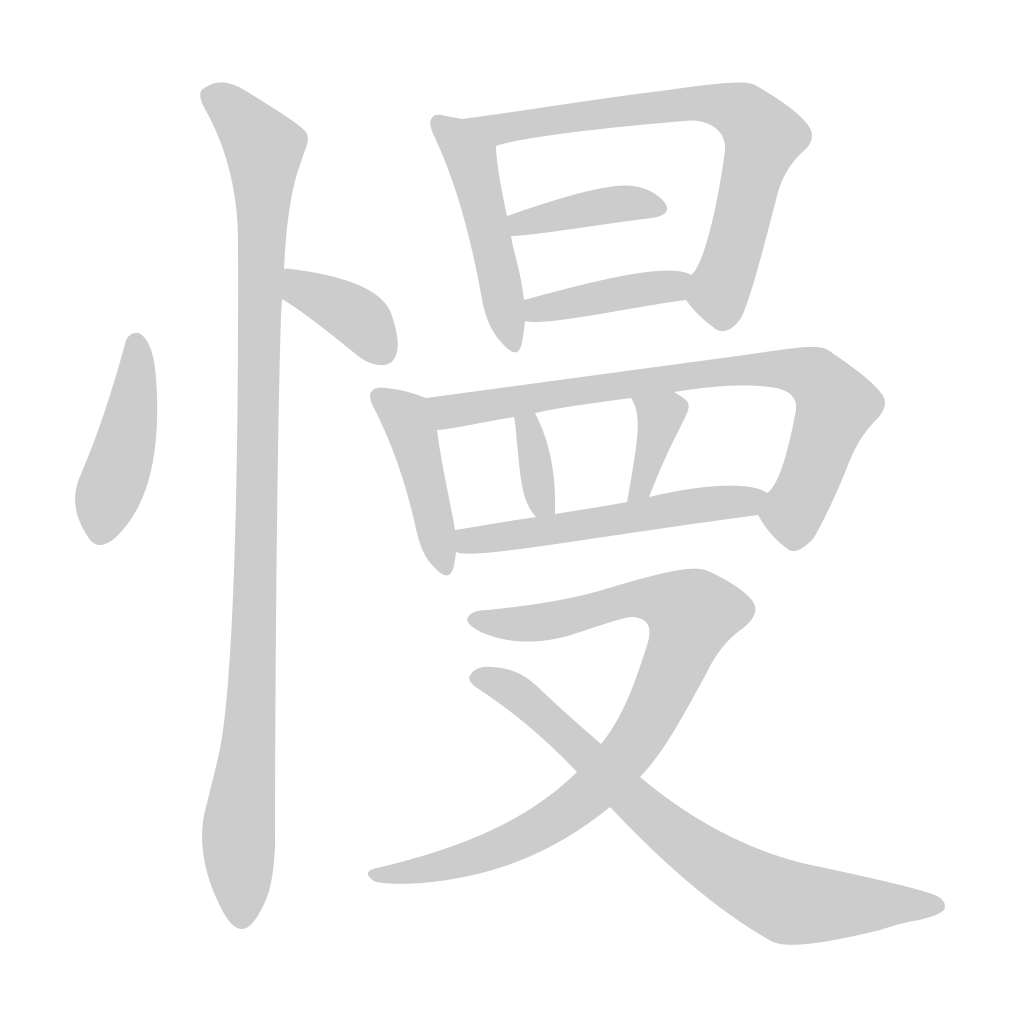
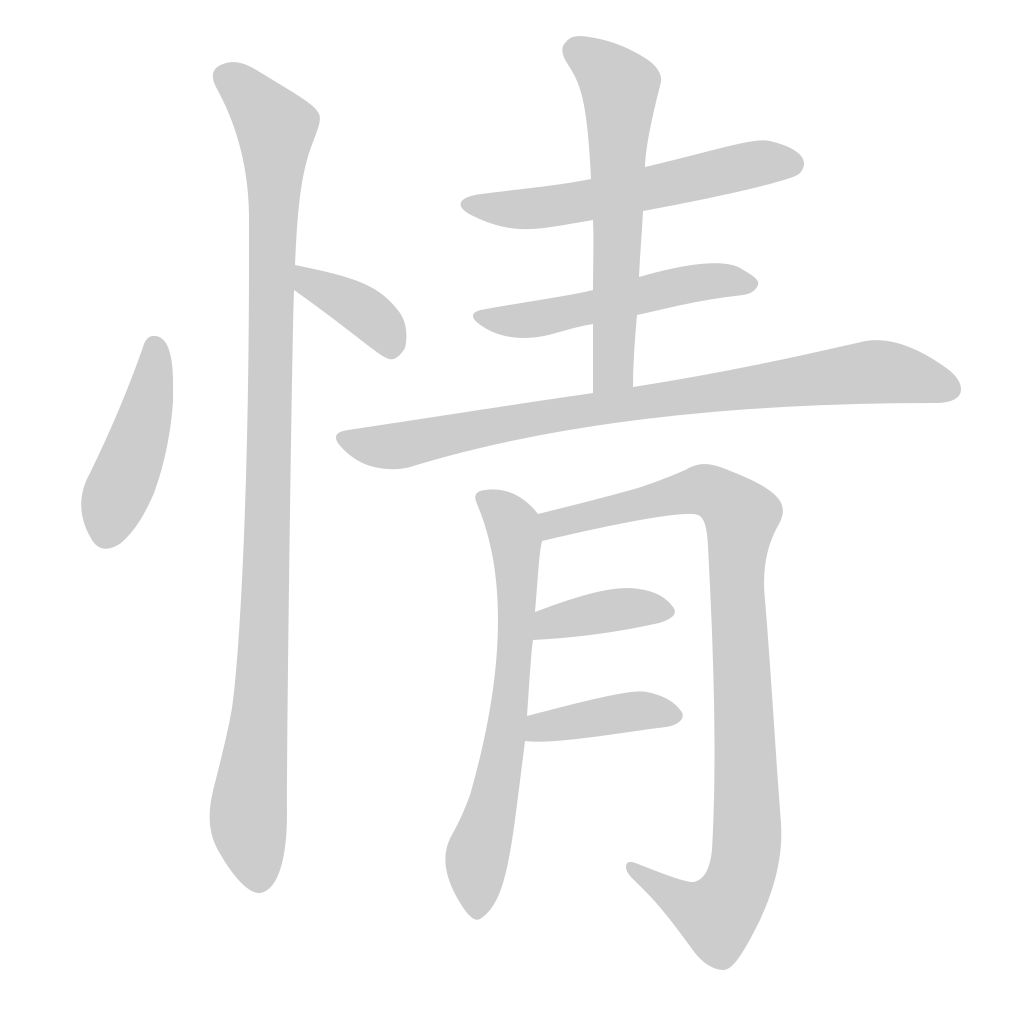
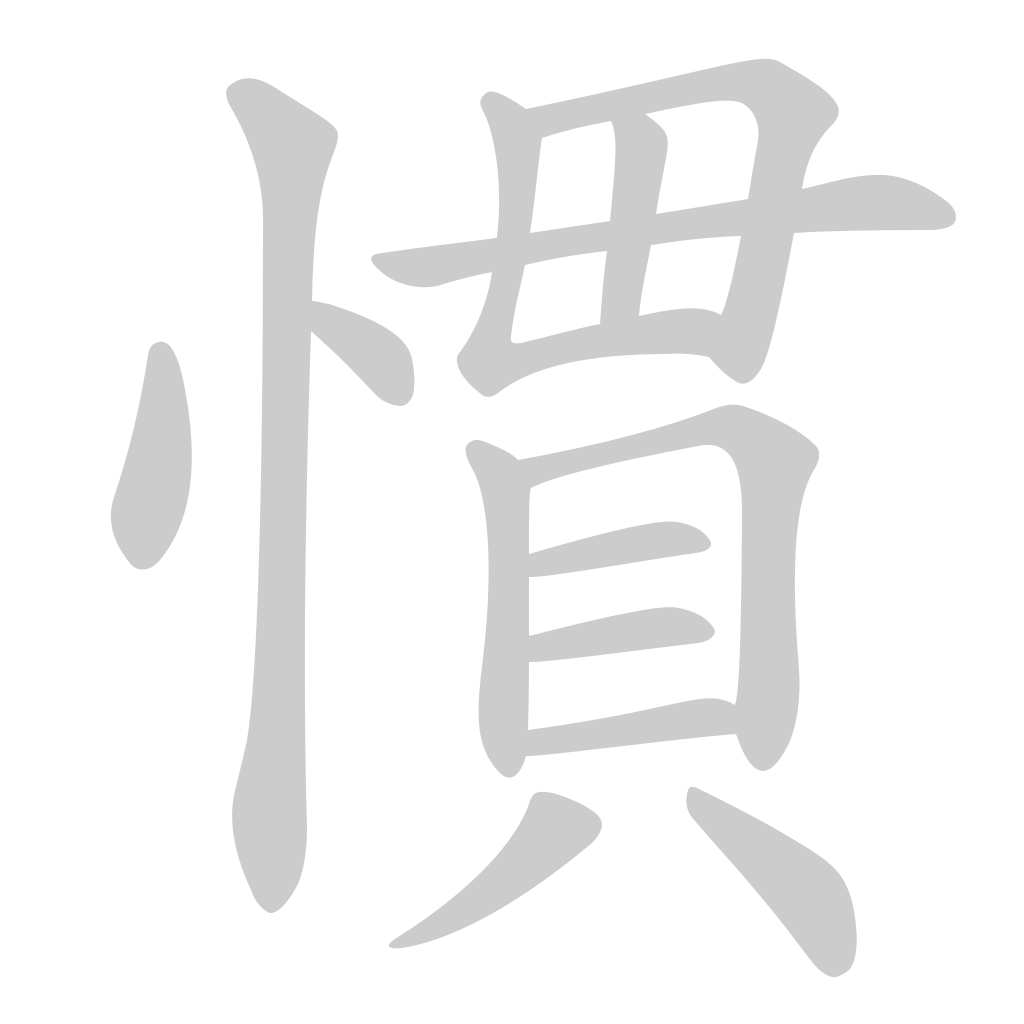
These PNGs are generated from KanjiVG using
kanjivg-to-png, so each image shows the character being built stroke by stroke in panels.
Per-Kanji Stroke Notes
653 — 慢 (arrogant / slow) — 14 strokes
- Structure: 忄 (3) on the left + 曼 (11) on the right.
- Watch: 忄 first (left dot, right dot, vertical). Then 曼: 日 on top, the broad 罒 frame in the middle, then 又 at the bottom.
- Pair drill: Write 慢 and 漫 (Lesson 44) side by side — same right-side 曼, only the radical differs.
654 — 情 (feeling) — 11 strokes
- Structure: 忄 + 青 (8 strokes: 龶 + 月).
- Watch: 青's top is 龶 (three horizontals + vertical, 4 strokes), bottom is 月 (4 strokes — a thin moon shape).
- Common error: Writing the bottom as 円 — it's 月, not the round-bottomed 円.
655 — 慣 (habit) — 14 strokes
- Structure: 忄 + 貫 (11 strokes).
- Watch: 貫's top is 毋-like (bowl shape, 4 strokes), then 目 (5 strokes), then 八 / a wide base (2 strokes).
- Common error: Mistreating the top of 貫 as 母 — it's similar but the inner stroke pattern differs.
656 — 快 (pleasant) — 7 strokes
- Structure: 忄 + 夬 (4 strokes — small but tricky).
- Watch: 忄 first. Then 夬: a horizontal slash with downward hook (the 一+丿 shape on top), then a long vertical with sideways tail.
- Common error: Mistaking 夬 for 央 — 央 is symmetric, 夬 is asymmetric (tail goes right).
657 — 適 (suitable) — 14 strokes
- Structure: 啇 (11 strokes) inside 辶 (3 strokes — written last).
- Watch: Write 啇 fully first (top 立-like cap, then 冂 and inner strokes, then 口 at the bottom). 辶 always wraps around last (dot, then the swooping body).
- Pair drill: 適 and 敵 share 啇 entirely on the right — drill them together.
658 — 敵 (enemy) — 15 strokes
- Structure: 啇 (11) on the left + 攵 (4) on the right.
- Watch: 啇 same as in 適. Then 攵 on the right: short slash, then horizontal-vertical-sweep combination.
- Common error: 攵 has 4 strokes but novices often treat it as 3 — the order is: short slash, horizontal, slash, sweep.
659 — 欠 (lack / yawn) — 4 strokes
- Structure: A simple compact shape — 𠂊 (bowing person) on top + 人 below.
- Watch: First the angled top (a single stroke that turns), then the second hook stroke, then the slash and final sweep below.
- Common error: Treating 欠 as a 5-stroke kanji — it's strictly 4.
660 — 次 (next) — 6 strokes
- Structure: 冫 (2 strokes — two slashes on the left) + 欠 (4).
- Watch: Both 冫 strokes first (top dot, then lower slash), then 欠 to the right.
- Common error: Drawing 冫 with 3 dots like 氵 — it's only 2 strokes.
661 — 姿 (figure) — 9 strokes
- Structure: 次 (6) on top + 女 (3) on the bottom.
- Watch: All of 次 first (in the order described above), then 女 below: the diagonal sweep, the horizontal, and the long final stroke that crosses through.
- Common error: Putting 女 on the side rather than the bottom — 姿 is a vertically stacked kanji.
662 — 冷 (cold) — 7 strokes
- Structure: 冫 (2) on the left + 令 (5) on the right.
- Watch: 冫 first (two strokes — note again, not three like 氵). Then 令: 𠆢-like cap on top (2 strokes), then a small angled stroke and a vertical with hook below.
- Common error: Writing 冷 with 氵 (water radical) — it's 冫 (ice). The difference matters semantically as well: 氵 = liquid water, 冫 = frozen / chilled.
Stroke Patterns in This Lesson
The 忄 cluster — 慢 情 慣 快
Four of ten kanji begin with 忄 (3 strokes: left dot, right dot, vertical). Always: 忄 first, then the right-side phonetic. The right side fully determines reading and meaning:
| Kanji | Right side | Reading driver |
|---|---|---|
| 慢 | 曼 | 曼【マン】 → 慢【マン】 |
| 情 | 青 | 青【セイ】 → 情【ジョウ/セイ】 |
| 慣 | 貫 | 貫【カン】 → 慣【カン】 |
| 快 | 夬 | 夬【カイ】 → 快【カイ】 |
Practice 忄 in isolation a dozen times — it makes all four kanji feel routine.
The 啇 pair — 適 敵
Both kanji are 啇 + a different "going / striking" radical. The 啇 itself is dense (11 strokes) — drill it in isolation, then add 辶 (for 適) or 攵 (for 敵). Practice 適 and 敵 together: they reinforce each other.
The 冫 pair — 次 冷
Both use 冫 (ice radical, 2 strokes — distinct from 氵 water radical, 3 strokes). 次 has 冫 on the left of 欠; 冷 has 冫 on the left of 令. The 冫 vs 氵 distinction is one of the most commonly missed points in stroke-order practice.
The yawn family — 欠 次 姿
欠 (yawn / lack) is a building block: 次 contains it (冫+欠), and 姿 contains 次 (次+女). So building up 姿 is also building up 欠 and 次. Practice in this order: 欠 → 次 → 姿.
Sources
- KanjiVG — Stroke-order SVG source. CC-BY-SA 3.0. https://github.com/KanjiVG/kanjivg
- AnimCJK — Animated SVG (browser viewing). Arphic Public License. https://github.com/parsimonhi/animCJK
- Jisho — Reading and meaning verification. https://jisho.org
- Kakijun — Stroke-order reference. https://kakijun.jp