KIC Lesson 44 Kanji Reference
Table of Contents
- # Quick Reference
-
# Per-Kanji Entries
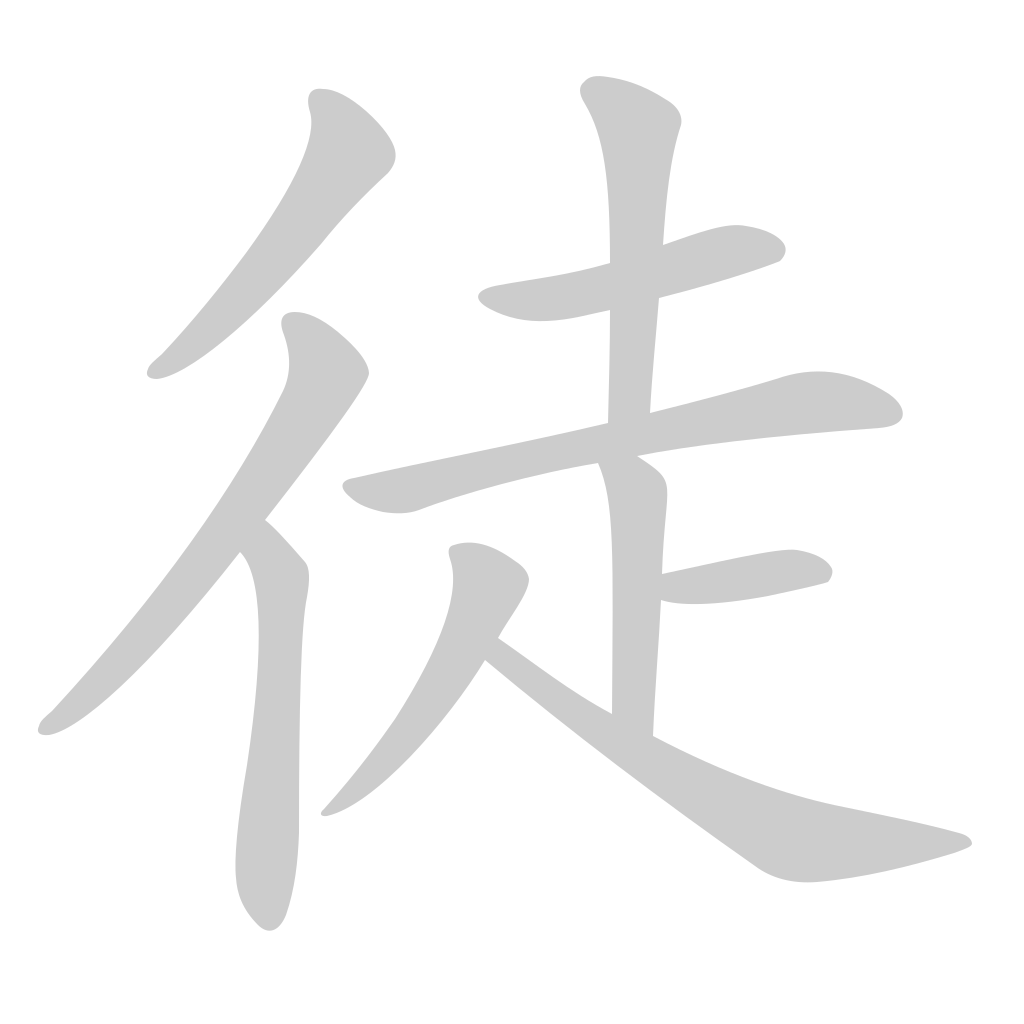
- ## 641 — 徒 (on foot, junior, emptiness) — 10 strokes
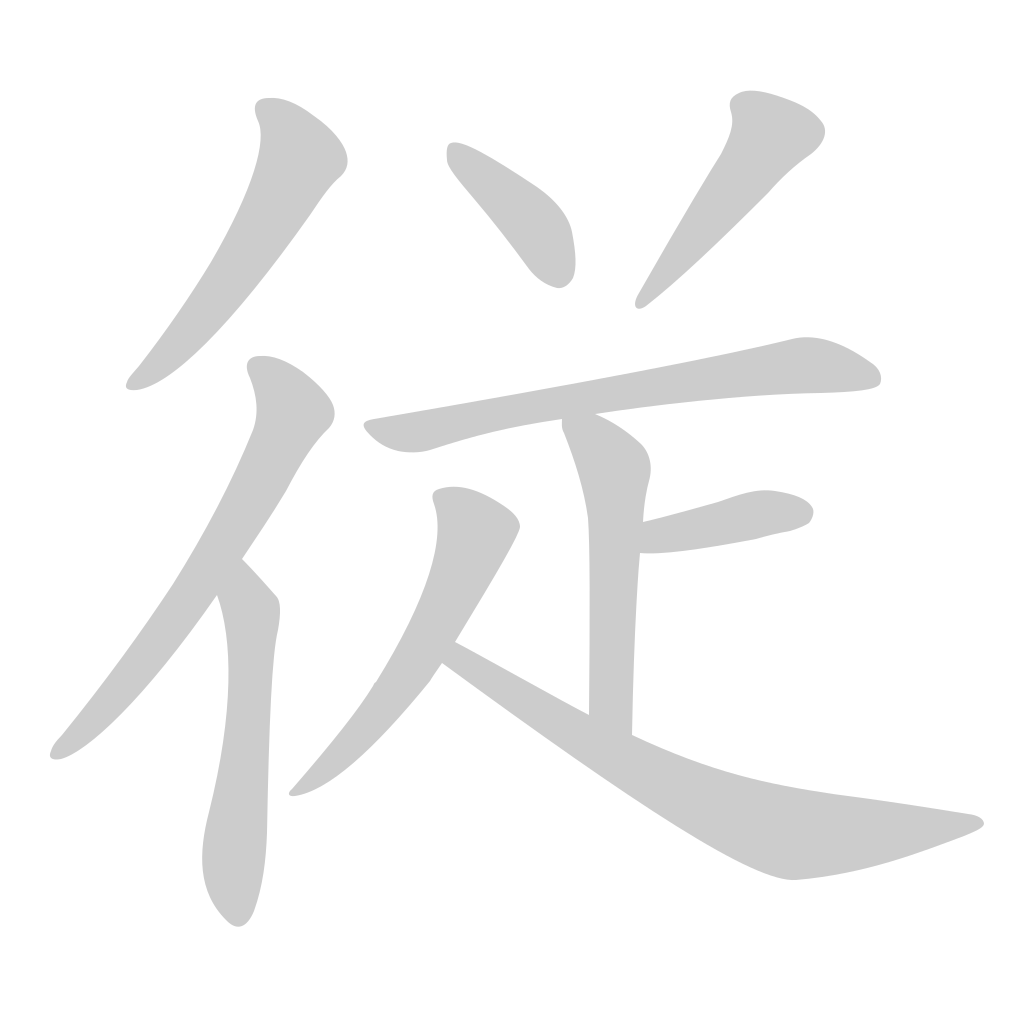
- ## 642 — 従 (accompany, obey, submit to) — 10 strokes
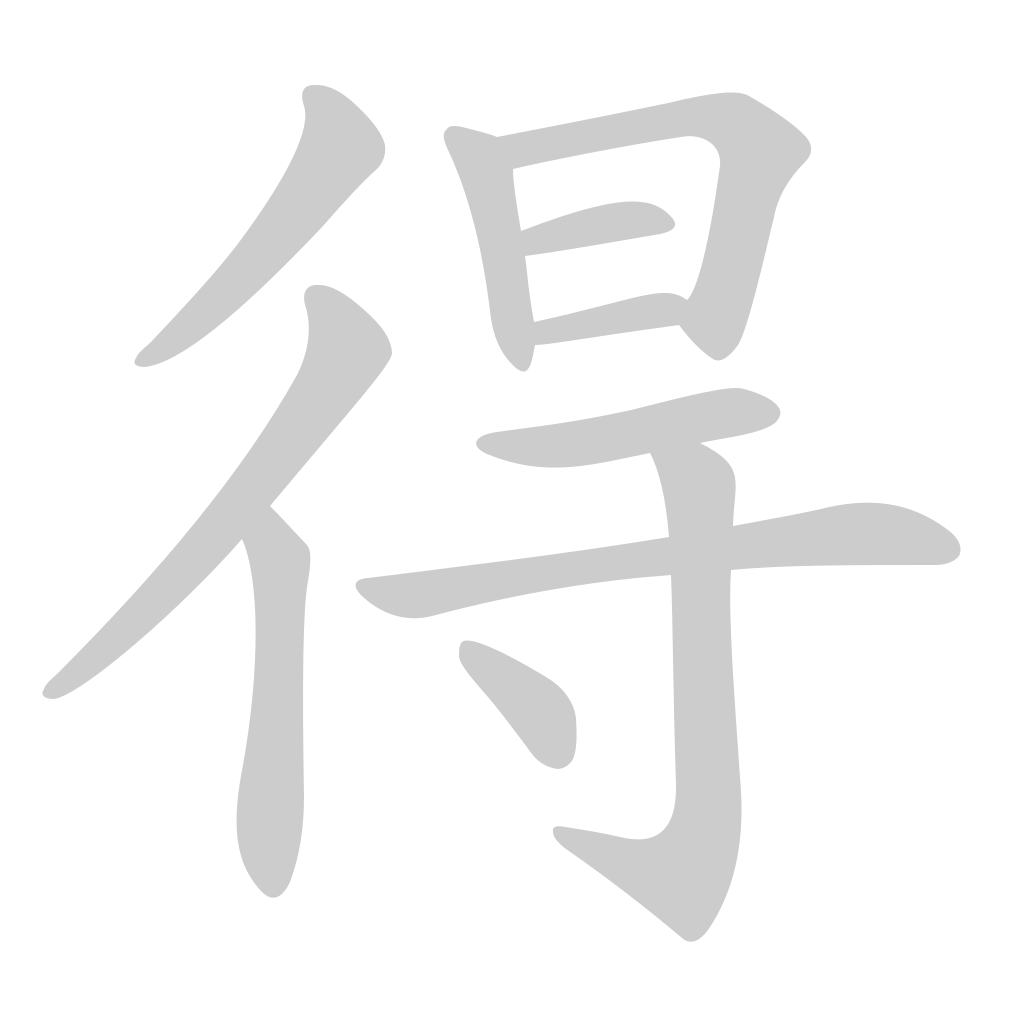
- ## 643 — 得 (gain, get, find) — 11 strokes
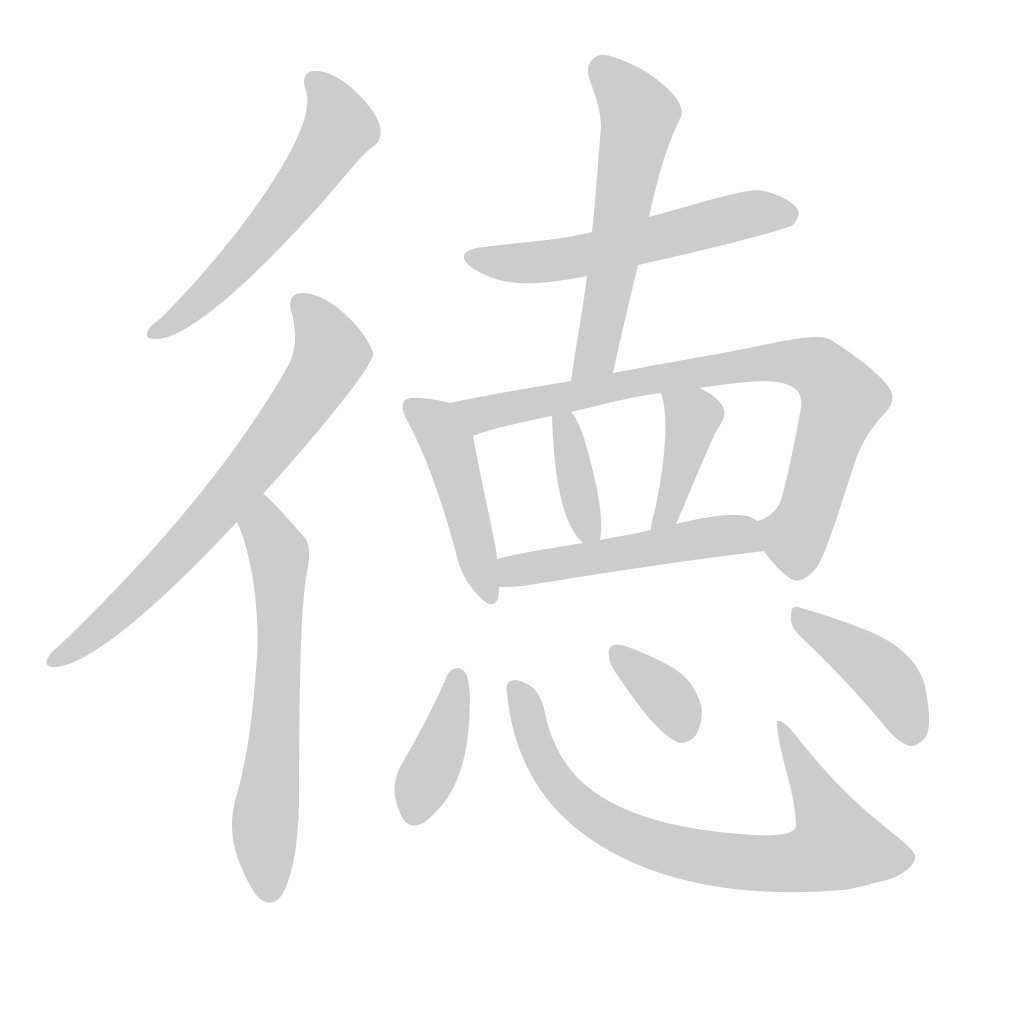
- ## 644 — 徳 (benevolence, virtue, goodness) — 14 strokes
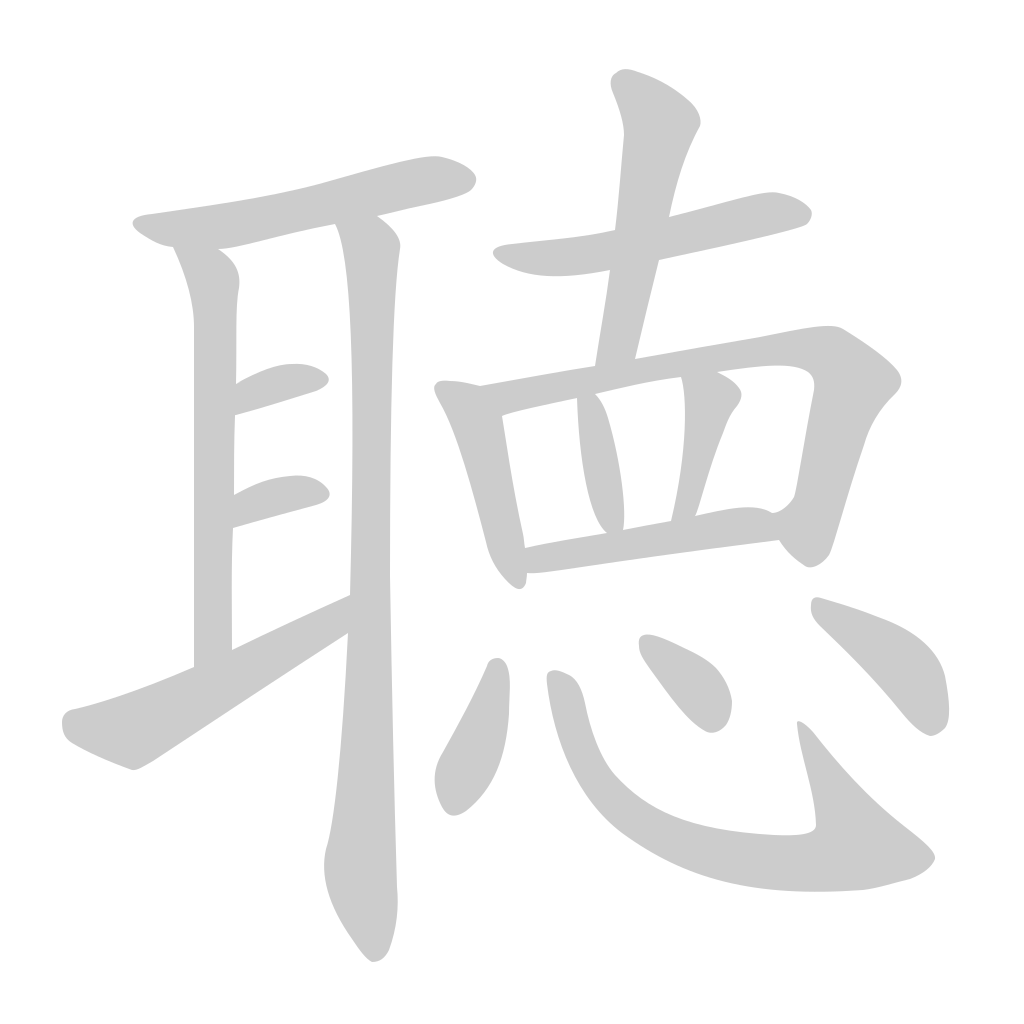
- ## 645 — 聴 (listen, headstrong, naughty) — 17 strokes
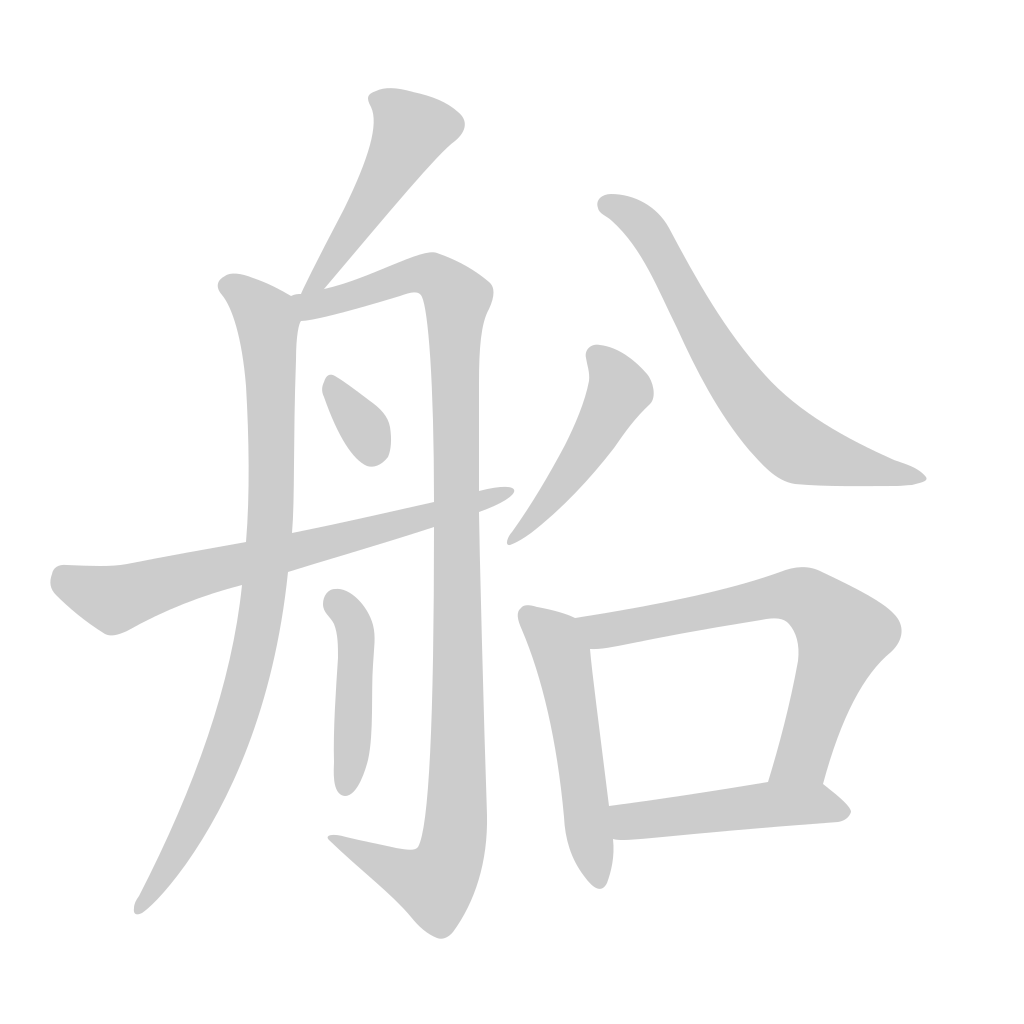
- ## 646 — 船 (ship, boat) — 11 strokes
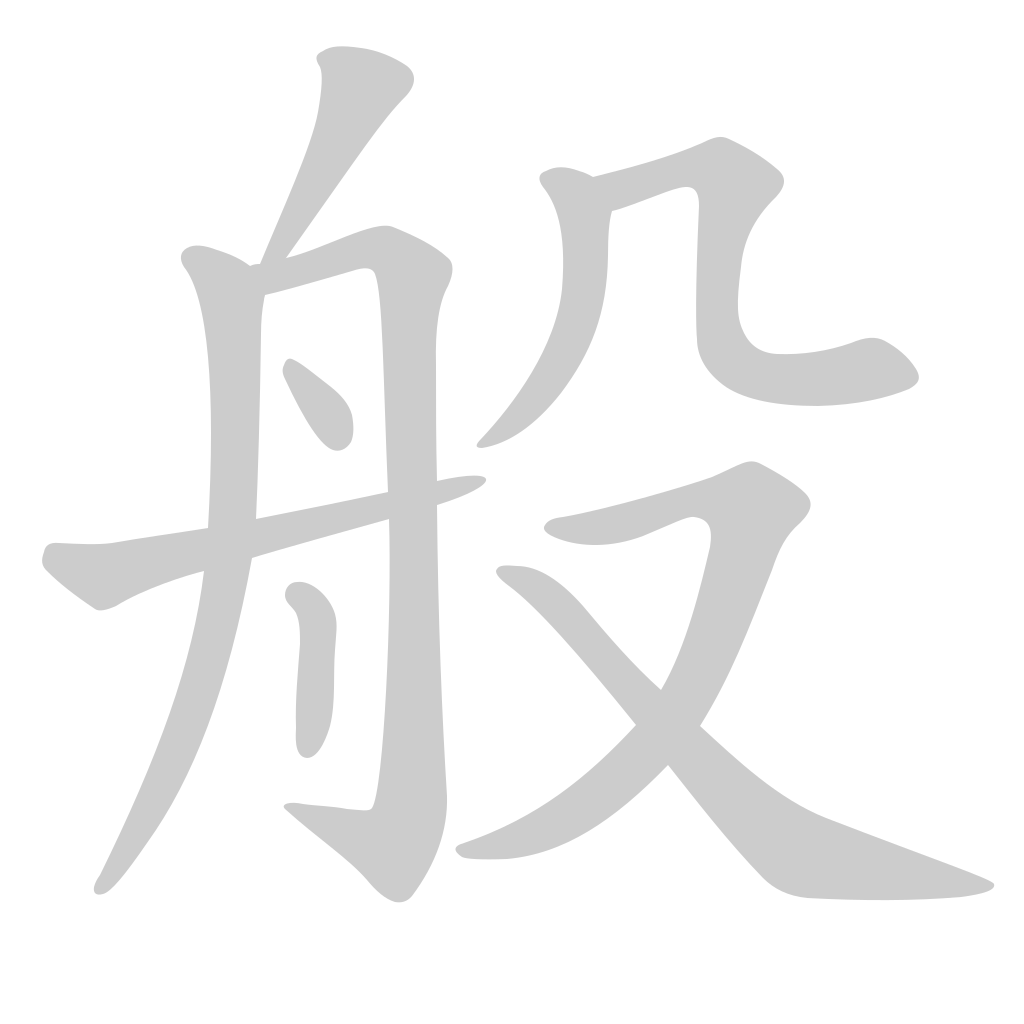
- ## 647 — 般 (carrier, carry, all) — 10 strokes
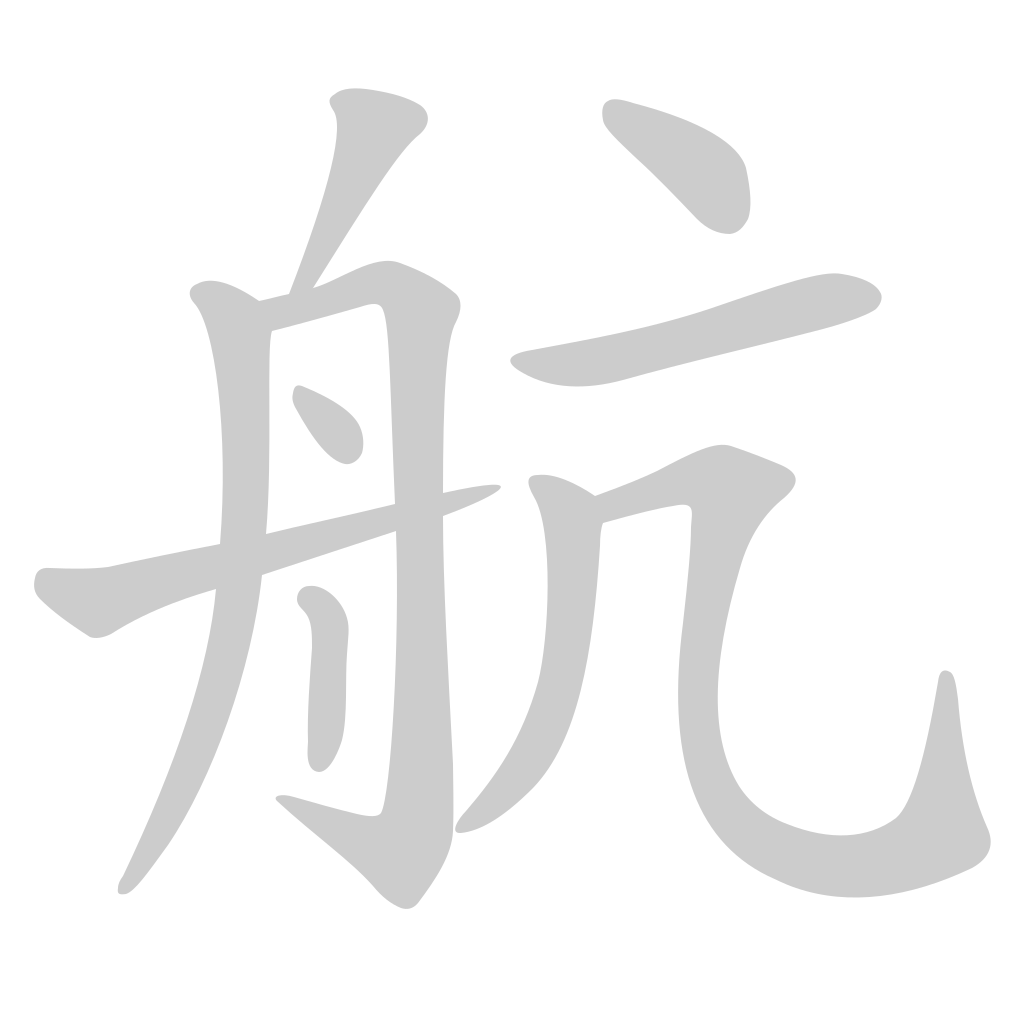
- ## 648 — 航 (navigate, sail, cruise) — 10 strokes
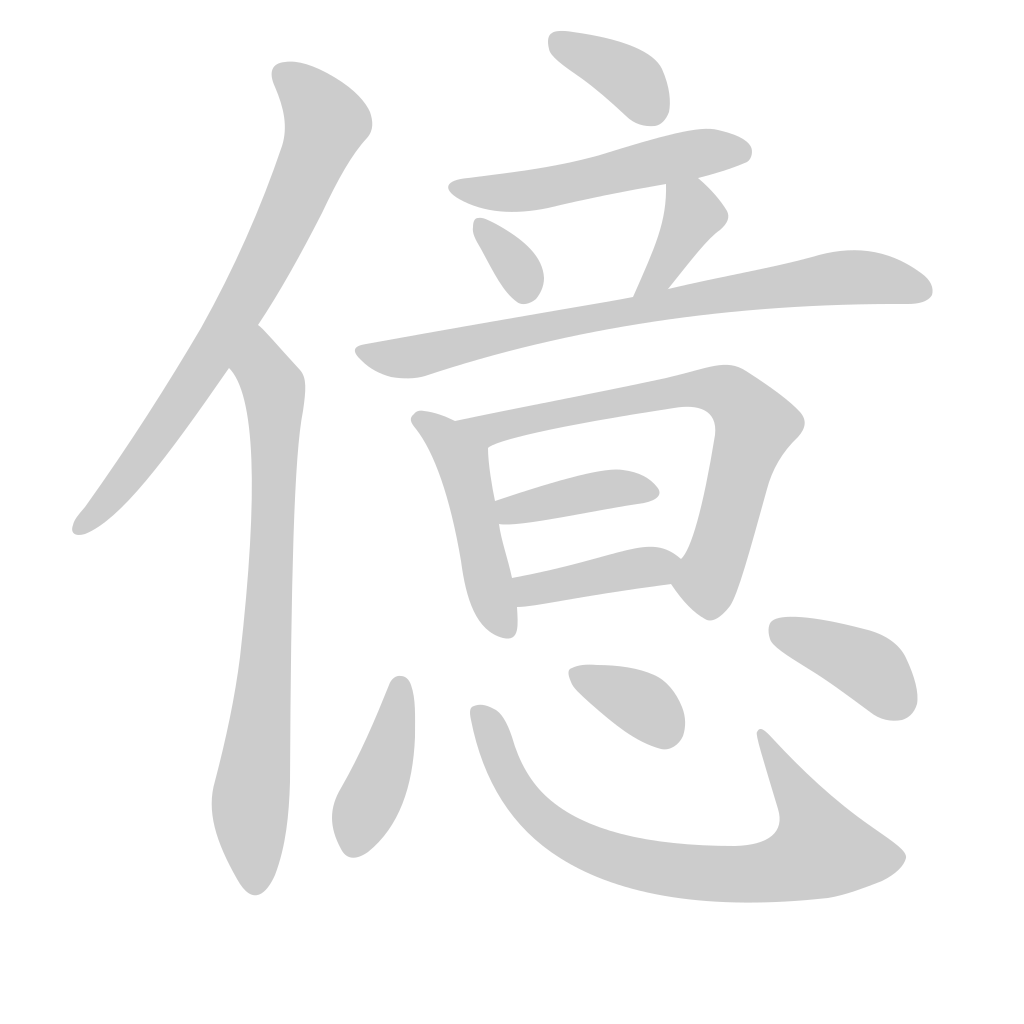
- ## 649 — 億 (hundred million, 10**8) — 15 strokes
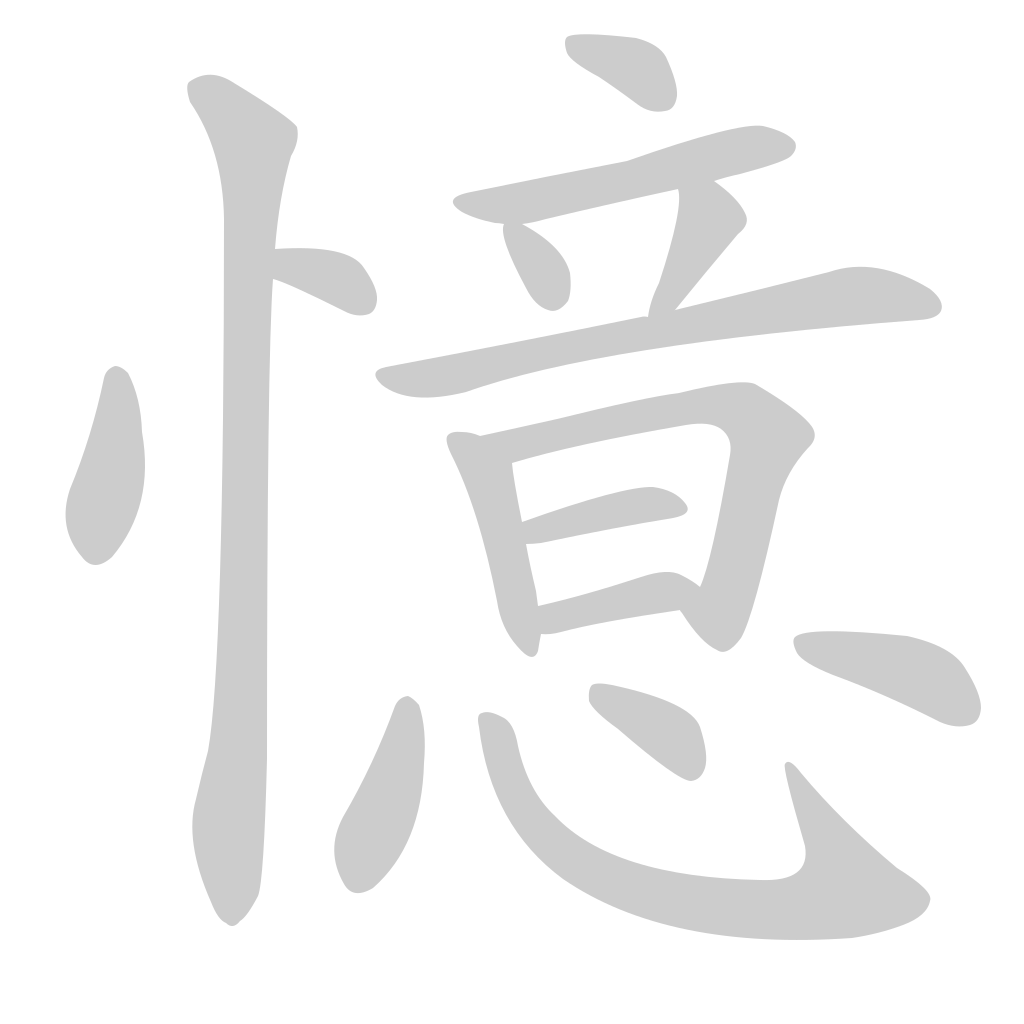
- ## 650 — 憶 (recollection, think, remember) — 16 strokes
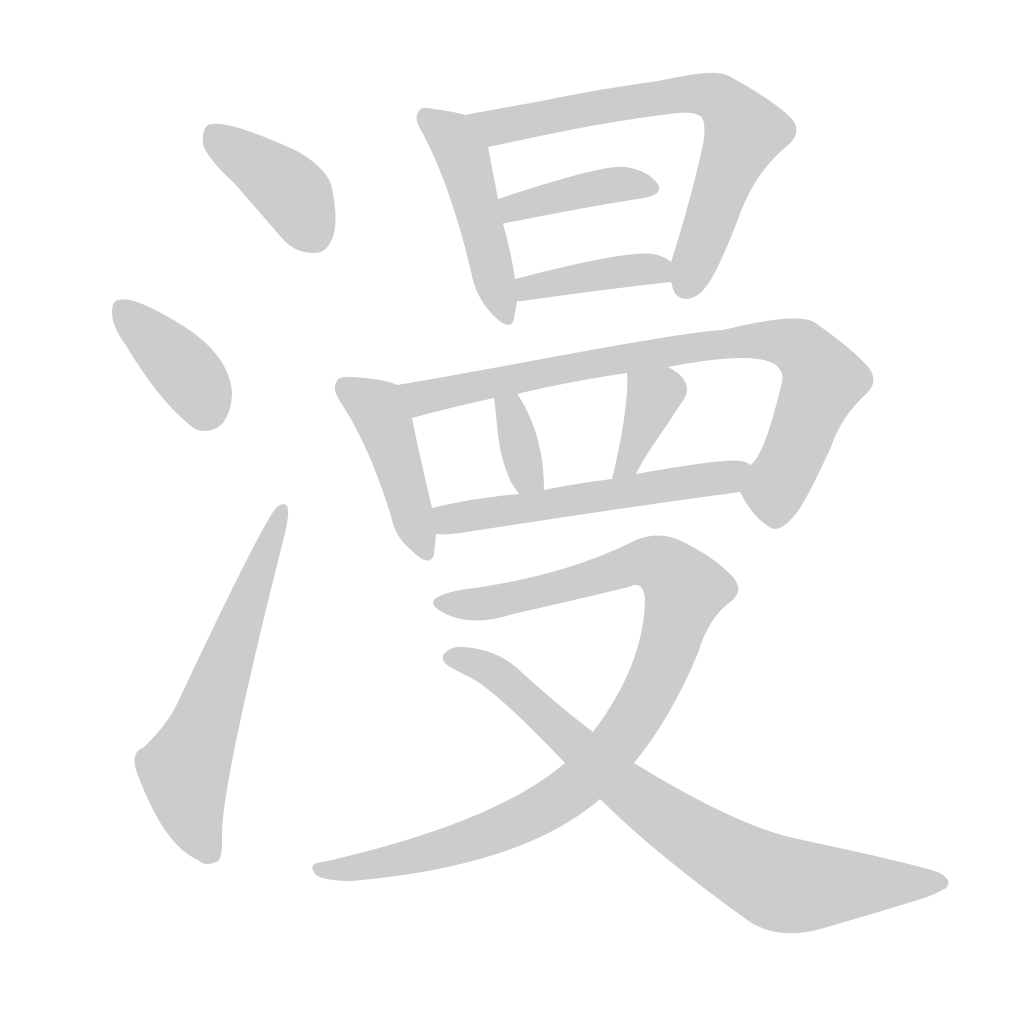
- ## 651 — 漫 (cartoon, involuntarily, unrestrained) — 14 strokes
- ## 652 — 巡 (patrol, go around, circumference) — 6 strokes
- # Stroke & Component Patterns in This Lesson
- # Similar-Looking Kanji (Outside This Lesson)
- # Phonetic Series Summary (also in the workbook, repeated here for reference)
- # Sources
Lesson 44 — Characters 641–652: 徒 従 得 徳 聴 船 般 航 億 憶 漫 巡 Companion to Workbook. The workbook handles articles, vocabulary, study aids, and self-test. This file is the structural deep-dive — radicals, functional components (meaning/sound/form), stroke order, and shared-component patterns.
Quick Reference
| # | Kanji | Stroke Order | Strokes | Radical | Links |
|---|---|---|---|---|---|
| 641 | 徒 |  | 10 | ⼻ (step) | Jisho · AnimCJK |
| 642 | 従 |  | 10 | ⼻ (step) | Jisho · AnimCJK |
| 643 | 得 |  | 11 | ⼻ (step) | Jisho · AnimCJK |
| 644 | 徳 |  | 14 | ⼻ (step) | Jisho · AnimCJK |
| 645 | 聴 |  | 17 | ⽿ (ear) | Jisho · AnimCJK |
| 646 | 船 |  | 11 | ⾈ (ship) | Jisho · AnimCJK |
| 647 | 般 |  | 10 | ⾈ (ship) | Jisho · AnimCJK |
| 648 | 航 |  | 10 | ⾈ (ship) | Jisho · AnimCJK |
| 649 | 億 |  | 15 | ⼈ (person) | Jisho · AnimCJK |
| 650 | 憶 |  | 16 | ⼼ (heart) | Jisho · AnimCJK |
| 651 | 漫 |  | 14 | ⽔ (water) | Jisho · AnimCJK |
| 652 | 巡 |  | 6 | ⼮ (winding river) | Jisho · AnimCJK |

PNGs are generated from KanjiVG using
kanjivg-to-png, so each image shows the character being built stroke by stroke in panels. AnimCJK links open animated versions in a browser.
Per-Kanji Entries
641 — 徒 (on foot, junior, emptiness) — 10 strokes
Radical: ⼻ (ぎょうにんべん — "step, stride, street, to go") · へん · 10 strokes total
Components & function — 形声 (phonosemantic)
- 左 彳 (going) together with the bottom-right foot 龰/止 supplies the meaning: going on foot. 右上 土 supplies the sound — 土【ト】→ 徒【ト】 ✓ exact phonetic match.
- Semantic spread: "on foot / without conveyance" branches two ways — "in vain, futile" (徒労 — effort with nothing to ride on) and "people walking with you" → follower, pupil (生徒, 教徒). Both trace back to the same walking picture.
Stroke order
- Structure: left 彳 (3 strokes) → right side top-to-bottom: 土 (3 strokes), then the 龰/止-like foot below
- Watch: 彳 always goes first (short slash, second slash, vertical). Complete 土 fully before starting the lower foot component.
- Common error: treating the right-bottom as a generic "person on legs" — it's a foot/止 motif, not 人.
642 — 従 (accompany, obey, submit to) — 10 strokes
Radical: ⼻ (ぎょうにんべん — "step, stride, street, to go") · へん · 10 strokes total
Components & function — 会意 (compound ideograph, with phonetic borrowing)
- 左 彳 (going) + 右上 从 (two people in line) + 右下 龰 (foot). The picture is literal: one person walking behind another along a road → follow, obey. The reading ジュウ aligns with 从【ジュウ】, so 从 doubles as the sound-carrier.
- Note: the third reading ジュ (従三位 じゅさんみ) survives only in classical court-rank vocabulary — a learned exception, not predictable from structure. Visually, the right side is what separates 従 from 徒: 从 (people) vs 土 (earth).
Stroke order
- Structure: left 彳 (3 strokes) → top right 从 (two 2-stroke figures, left then right) → bottom right foot 龰
- Watch: write 从 as two compact person-shapes — left figure complete before the right one — then finish the foot below. Keep the pairs distinct or the stroke count drifts.
- Common error: mixing 従 with 徒 — the right side is the giveaway: 从 (people) for 従, 土 for 徒.
643 — 得 (gain, get, find) — 11 strokes
Radical: ⼻ (ぎょうにんべん — "step, stride, street, to go") · へん · 11 strokes total
Components & function — 会意 (compound ideograph)
- 左 彳 (going) + 右上 旦 (a historical corruption of 貝 "shell/money") + 右下 寸 (hand). Original picture: a hand grasping a cowrie along the road — acquisition while travelling → gain, obtain. Do not analyze the modern 旦 as "sunrise" — it's residue.
- Sound: トク is fixed by tradition; there is no phonetic component to lean on. It collides with 徳【トク】(also in this lesson) — disambiguate by the right side: 寸 (hand) grasps a gain, 心 (heart) earns a virtue.
Stroke order
- Structure: left 彳 (3 strokes) → top right 旦 (5 strokes) → bottom right 寸 (3 strokes)
- Watch: 寸 is the hand — its horizontal stroke connects cleanly under 旦, and the dot of 寸 comes last.
- Common error: drawing 旦 as 日 — 旦 has a single base line below 日; dropping it loses a stroke and the "money" shape.
644 — 徳 (benevolence, virtue, goodness) — 14 strokes
Radical: ⼻ (ぎょうにんべん — "step, stride, street, to go") · へん · 14 strokes total
Components & function — 会意 (compound ideograph)
- 左 彳 (going) + 右 直 (straight, upright) over 心 (heart): "walking with a straight heart" — the character means virtue by fusing moral uprightness (直 + 心) with the path metaphor (彳). Reading トク is conventional, not phonetic.
- Radical ≠ semantic component ⚠️ — the dictionary radical is 彳, but the meaning core is 直 + 心. The 彳 only frames the metaphor. The same 直-over-心 apparatus reappears in 聴 (645), where it marks attentive listening.
Stroke order
- Structure: left 彳 (3 strokes) → right 直-variant top-to-bottom (十, then 目's frame and inner strokes, then the long bottom horizontal) → 心 (4 strokes) at the very bottom
- Watch: 直 is the densest sub-component — work it strictly top-down before the heart. Then 心 in 4 strokes: left dot, hook, two dots.
- Common error: stopping at 直 without the 心 underneath — 徳 always ends with the heart.
645 — 聴 (listen, headstrong, naughty) — 17 strokes
Radical: ⽿ (みみ — "ear") · 17 strokes total
Components & function — 会意 (compound ideograph)
- 左 耳 (ear) + 右 𢛳 (= 直 truncated + 心, "straight heart"; older forms also carried a 王 element). Listening with both the ear and a focused, upright mind — which is exactly the usage split: 聴く "listen attentively, take in" vs 聞く "hear, perceive sound".
- Radical = semantic ✓ — 耳 carries the meaning directly. The right side is 徳's right side without the 彳: drill the two together and 聴's 17 strokes stop being intimidating.
Stroke order
- Structure: left 耳 (6 strokes) → right 𢛳 (直-truncated block top-down, then 心 at the bottom)
- Watch: 耳 on the left runs: vertical, top horizontal, two inner horizontals, the long bottom horizontal extending right, then the inside vertical. Then the right side mirrors 徳's right-side construction.
- Common error: this is the highest-stroke kanji in the lesson (17) — pace yourself. Confusion with 聞 (gate + ear) is common; 聴 has 耳 plus the directed-mind apparatus.
646 — 船 (ship, boat) — 11 strokes
Radical: ⾈ (ふねへん — "ship, boat") · へん · 11 strokes total
Components & function — 形声 (phonosemantic)
- 左 舟 (boat) supplies the meaning; 右 㕣 (= 八 over 口) supplies the sound: 㕣【エン/セン】→ 船【セン】.
- Series: the same 㕣 phonetic produces 沿【エン】(along) and 鉛【エン】(lead) — the shift to セン in 船 is a known irregularity in the series, so treat 船 as the outlier and the エン reading as the default elsewhere.
Stroke order
- Structure: left 舟 (6 strokes) → right 㕣: 八 (2 strokes) stacked over 口 (3 strokes)
- Watch: 舟 has a tricky stroke order — the slanting top, then the curved cradle, then the two short cross-strokes. Practice 舟 alone first; it repeats in 般 and 航.
- Common error: treating the right side as 公 or as 口 only — it's specifically 八 stacked over 口.
647 — 般 (carrier, carry, all) — 10 strokes
Radical: ⾈ (ふねへん — "ship, boat") · へん · 10 strokes total
Components & function — 会意 (compound ideograph)
- 左 舟 (boat) + 右 殳 (long-handled tool, pole in hand). Historically "turning a boat with a pole" → "to revolve, turn around" → the metaphorical "kind, sort"; the "general" sense (一般) generalizes from "all kinds, going around to everything".
- Note: 般 is itself the phonetic root for several kanji — 盤【バン】(tray, board), 搬【ハン】(transport). In this lesson it stays a root, not a borrower.
Stroke order
- Structure: left 舟 (6 strokes) → right 殳: 几-like top (2 strokes), then 又 (2 strokes) below
- Watch: 舟 first, exactly as in 船, then 殳 top-to-bottom — the whole right side is only 4 strokes.
- Common error: 般 vs 船 — both have 舟. The right side differs: 殳 (tool) for 般, 㕣 (eight-over-mouth) for 船.
648 — 航 (navigate, sail, cruise) — 10 strokes
Radical: ⾈ (ふねへん — "ship, boat") · へん · 10 strokes total
Components & function — 形声 (phonosemantic)
- 左 舟 (boat) supplies the meaning; 右 亢 (high, raised) supplies the sound: 亢【コウ】→ 航【コウ】 ✓ exact phonetic match.
- Series: 亢 is a reliable コウ marker — 抗【コウ】(resist), 坑【コウ】(pit) share it. Recognize 亢 on sight and the reading comes free.
Stroke order
- Structure: left 舟 (6 strokes) → right 亢: 亠 cap (2 strokes), then the 几-shape (2 strokes)
- Watch: 亢 is the simplest right side in the boat trio — just the 亠 cap and 几. Don't overthink it after the denser 㕣 and 殳.
- Common error: confusing 亢 with bare 几 — 亢 always has the 亠 cap on top.
649 — 億 (hundred million, 10**8) — 15 strokes
Radical: ⼈ (にんべん — "person ") · へん · 15 strokes total
Components & function — 形声 (phonosemantic)
- 左 亻 (person) supplies the meaning frame; 右 意 (thought) supplies the sound in its オク register: 意【イ・オク】→ 億【オク】. A faint semantic echo survives — "countless thoughts" → an uncountable number.
- Pair with 憶 (650): identical sound component, different meaning radical (亻 person counting vs 忄 mind remembering). The 意 series is the highest-leverage pattern in this lesson — learn the pair as a unit.
Stroke order
- Structure: left 亻 (2 strokes: short slash, then vertical) → right 意 (13 strokes: 立 on top, 日 in the middle, 心 at the bottom)
- Watch: 意 runs strictly top-down — the full 立 cap (5 strokes), then 日 (4), then 心 (4).
- Common error: skipping the 立 cap of 音 and writing 日心 directly — 意 always has the full 立/音 stack.
650 — 憶 (recollection, think, remember) — 16 strokes
Radical: ⼼ (こころ — "heart, mind, spirit") · 16 strokes total
Components & function — 形声 (phonosemantic)
- 左 忄 (heart, vertical form) supplies the meaning — the mind that holds things — hence "memory, recollection" (記憶); 右 意 supplies the sound: 意【オク】→ 憶【オク】, the same series as 億.
- Note: "timidity" is a different kanji — 臆 (⺼ flesh + 意), as in 臆病. Writing 憶病 with the memory kanji is a classic error; the radical is the tell (忄 mind vs ⺼ body).
Stroke order
- Structure: left 忄 (3 strokes: left dot, right dot, then the long vertical) → right 意 (13 strokes), exactly as in 億
- Watch: 忄's dots come before its vertical. Then 意 top-down: 立, 日, 心.
- Common error: swapping the left radicals of 億 and 憶 — write the pair side by side (亻 counts, 忄 remembers); the right side is identical, so the practice transfers cleanly.
651 — 漫 (cartoon, involuntarily, unrestrained) — 14 strokes
Radical: ⽔ (みず — "water") · 14 strokes total
Components & function — 形声 (phonosemantic)
- 左 氵 (water) supplies the meaning; 右 曼 (long, drawn-out) supplies the sound: 曼【マン】→ 漫【マン】 ✓ exact phonetic match.
- Semantic drift: "water spreading / overflowing" → "diffuse, unfocused" (漫然, 散漫) → "rambling discourse" → the modern "comic strip" (漫画). The 曼 series extends to 慢【マン】(Lesson 45, arrogance/laziness) — same sound, different radical (氵 vs 忄).
Stroke order
- Structure: left 氵 (3 strokes) → right 曼 top-to-bottom: 日, then the broad 罒 frame, then 又 at the bottom
- Watch: 氵 first (three dots), then keep 曼's three tiers in strict top-down order.
- Common error: writing the 罒 part as 四 — 罒 has a flat top and no inner bottom hook.
652 — 巡 (patrol, go around, circumference) — 6 strokes
Radical: ⼮ (まがりがわ — "winding river") · 6 strokes total
Components & function — 会意 (compound ideograph)
- 中 巛 (= 川, flowing/winding water) + 繞 辶 (road, motion): moving along a winding path — directly metaphorical for patrol, circuit, going around (巡る).
- Radical ≠ semantic split ⚠️ — the dictionary radical is ⼮ (the winding river), but the motion meaning rides on 辶. And this is not 形声: 川【セン】does not match the reading ジュン — the sound is conventional.
Stroke order
- Structure: inner 巛 first (three short downward strokes, left → middle → right) → then 辶 wraps around (top dot, then the swooping body last)
- Watch: 辶 always comes last in any にょう-radical kanji — the enclosure-from-below is the one enclosure that follows its contents.
- Common error: writing 辶 first. The correct inside-then-辶 order recurs throughout the Jōyō set (進, 道, 通, 連, etc.) — 巡 is the cheapest place to drill it (6 strokes total).
Stroke & Component Patterns in This Lesson
The 彳 (ぎょうにんべん) cluster — 徒, 従, 得, 徳
Four of twelve kanji begin with 彳 (3 strokes: short slash, longer slash, vertical) — the densest single-radical cluster in the textbook so far. The rule is uniform: 彳 first, then everything else, and the right side completely determines the meaning:
| Kanji | Right side | Meaning lever | Reading source |
|---|---|---|---|
| 徒 | 土 + 龰 | going-on-foot | 土【ト】→ 徒【ト】 ✓ |
| 従 | 从 + 龰 | following people | 从【ジュウ】 |
| 得 | 旦 (= old 貝) + 寸 | grasping-by-hand | conventional トク |
| 徳 | 直 + 心 | upright-heart | conventional トク |
Worth one review session on the radical alone, then on what each right side adds. Note the トク collision inside the cluster: 得 (寸 hand → gain) vs 徳 (心 heart → virtue).
The 舟 (ふねへん) cluster — 船, 般, 航
Three of twelve. 舟 always goes first on the left (6 strokes — practice this radical alone; its slanting-top-then-cradle order is the trickiest part of all three kanji). This cluster is easier than 彳's because all three keep a literal "boat" connection:
| Kanji | Right side | Meaning lever |
|---|---|---|
| 船 | 㕣 (八 + 口) | the boat itself |
| 般 | 殳 (pole/tool) | turning → kind, sort |
| 航 | 亢 (raised) | navigation |
Visual disambiguation is entirely right-side: 㕣 vs 殳 vs 亢. If you can name the right component, you can't confuse the three.
The 意 pair — 億, 憶
Same 13-stroke right side (意 = 立 + 日 + 心), different left radical — a textbook 形声 contrast:
| Kanji | Radical | Meaning lever |
|---|---|---|
| 億 | 亻 (person) | people counting → hundred million |
| 憶 | 忄 (mind) | mind holding → memory |
Drill them side by side: the stroke order on the right is identical, so the practice transfers cleanly, and the radical is the disambiguator for the shared reading オク.
The にょう trap — 巡
巡 is the only にょう-radical kanji in this lesson. Remember: 巛 (the inside) is written first, then 辶 wraps around it last — the reverse of every other enclosure rule. This pattern recurs throughout the Jōyō set (進, 道, 通, 連, etc.); at 6 strokes, 巡 is the cheapest drill for it.
Similar-Looking Kanji (Outside This Lesson)
These aren't this lesson's kanji, but they're easy to confuse with one when reading — different meaning, different (or coincidentally similar) reading, similar shape.
| This lesson's kanji | Looks like | Key difference | Why it matters |
|---|---|---|---|
| 憶 (オク, memory) | 臆 (オク, chest, timidity) | Left radical: 忄 (mind) vs ⺼ (flesh) | Same reading AND same 意 right side — the strongest confusable pair here. 臆病 (cowardly) is routinely miswritten as 憶病. The mind remembers; the body flinches. |
| 漫 (マン, diffuse, comic) | 慢 (マン, arrogant, sluggish) | Left radical: 氵 (water) vs 忄 (mind) | Same sound component 曼, same reading. 散漫 vs 我慢・自慢 — the Denisowski raw file itself writes 散慢 by mistake. 慢 arrives in Lesson 45, so this collision is imminent. |
| 得 (トク, gain) | 特 (トク, special) | Left: 彳 vs 牜; right: 旦+寸 vs 寺 | Same reading, both extremely common (得意 vs 特別), and both right sides end in a 寸-shape. At reading speed the pair genuinely blurs — check the left radical. |
| 航 (コウ, navigate) | 抗 (コウ, resist) | Left radical: 舟 (boat) vs 扌 (hand) | Identical right side 亢 and identical reading. 航議 doesn't exist but 抗議 (protest) does — the radical alone decides whether you're sailing or resisting. |
Phonetic Series Summary (also in the workbook, repeated here for reference)
Phonetic Series Summary
| Sound Component | Reading | In This Lesson | Other Common Kanji |
|---|---|---|---|
| 意 | オク (also イ) | 億, 憶 | 意 itself (the base kanji — thought) |
| 亢 | コウ | 航 | 抗 (resist), 坑 (pit) |
| 㕣 | エン / セン | 船 | 沿, 鉛 |
| 曼 | マン | 漫 | 慢 (Lesson 45 — same series!) |
| 土 | ト | 徒 | (土 itself) |
| 从 | ジュウ | 従 | (rare in modern use) |
Lesson highlight: The 意 → 億・憶 pair is the cleanest 形声 contrast in the chapter — same sound component, different meaning radical (亻 = person counting, 忄 = mind remembering). Memorize them as a unit. The 曼 series extends into Lesson 45 (慢) — recognizing 曼【マン】before then makes 慢 trivially predictable.
Sources
- KanjiVG — github.com/KanjiVG/kanjivg | License: CC-BY-SA 3.0
- kanjivg-to-png — github.com/nicdgonzalez/kanjivg-to-png
- AnimCJK — github.com/parsimonhi/animCJK | License: Arphic Public License
- Jisho.org — jisho.org | Uses KanjiVG data for stroke order diagrams.
- Outlier Linguistics — outlier-linguistics.com | The Outlier Kanji Dictionary is the gold standard for rigorous functional component analysis.